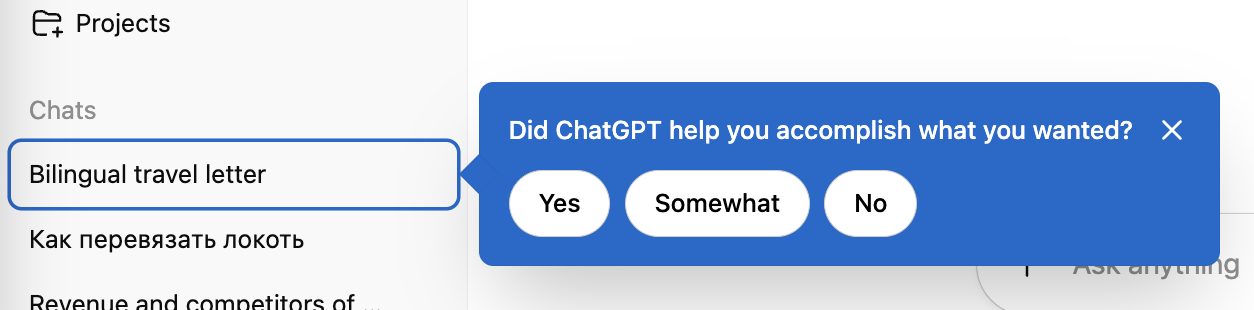
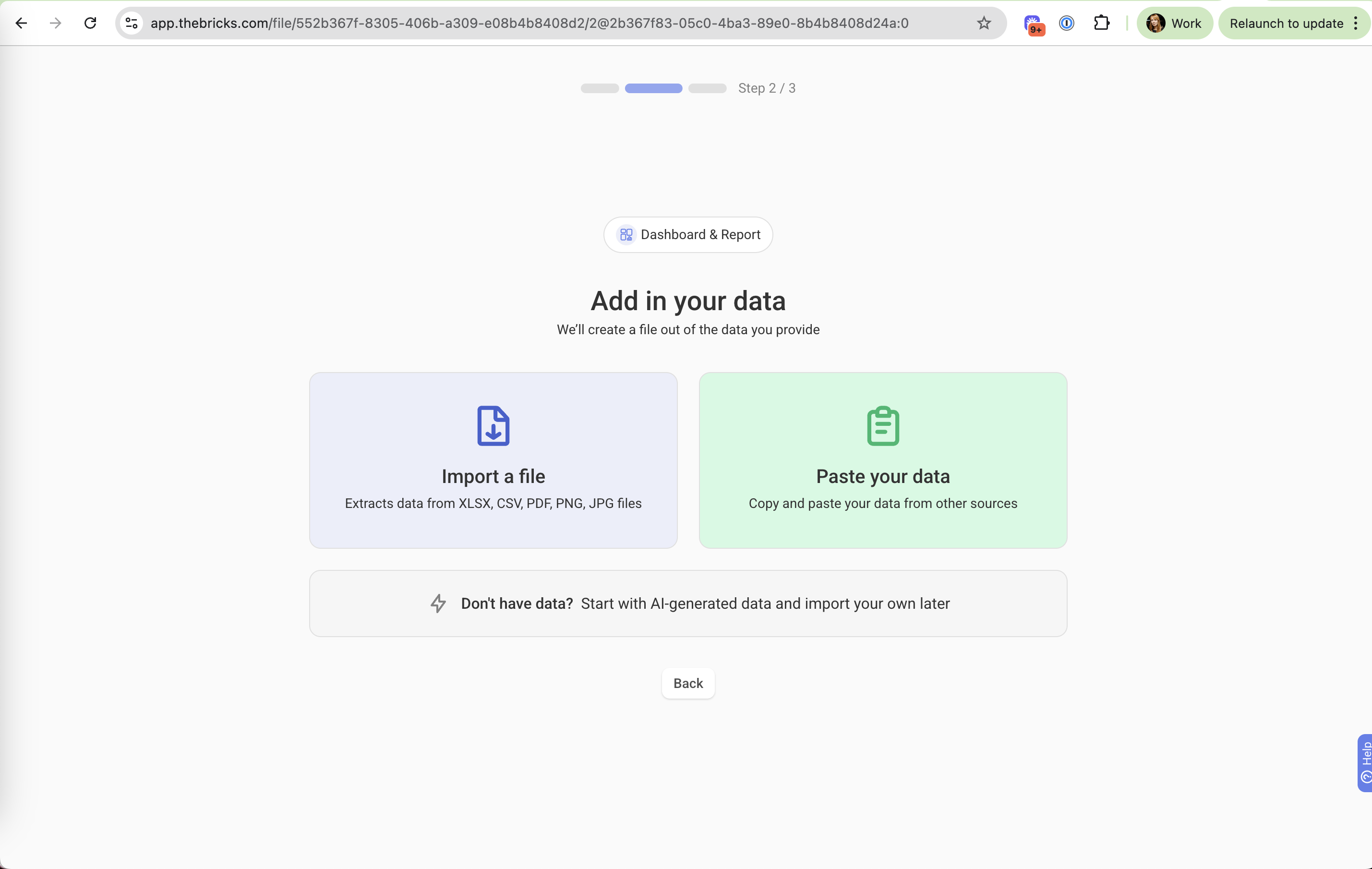
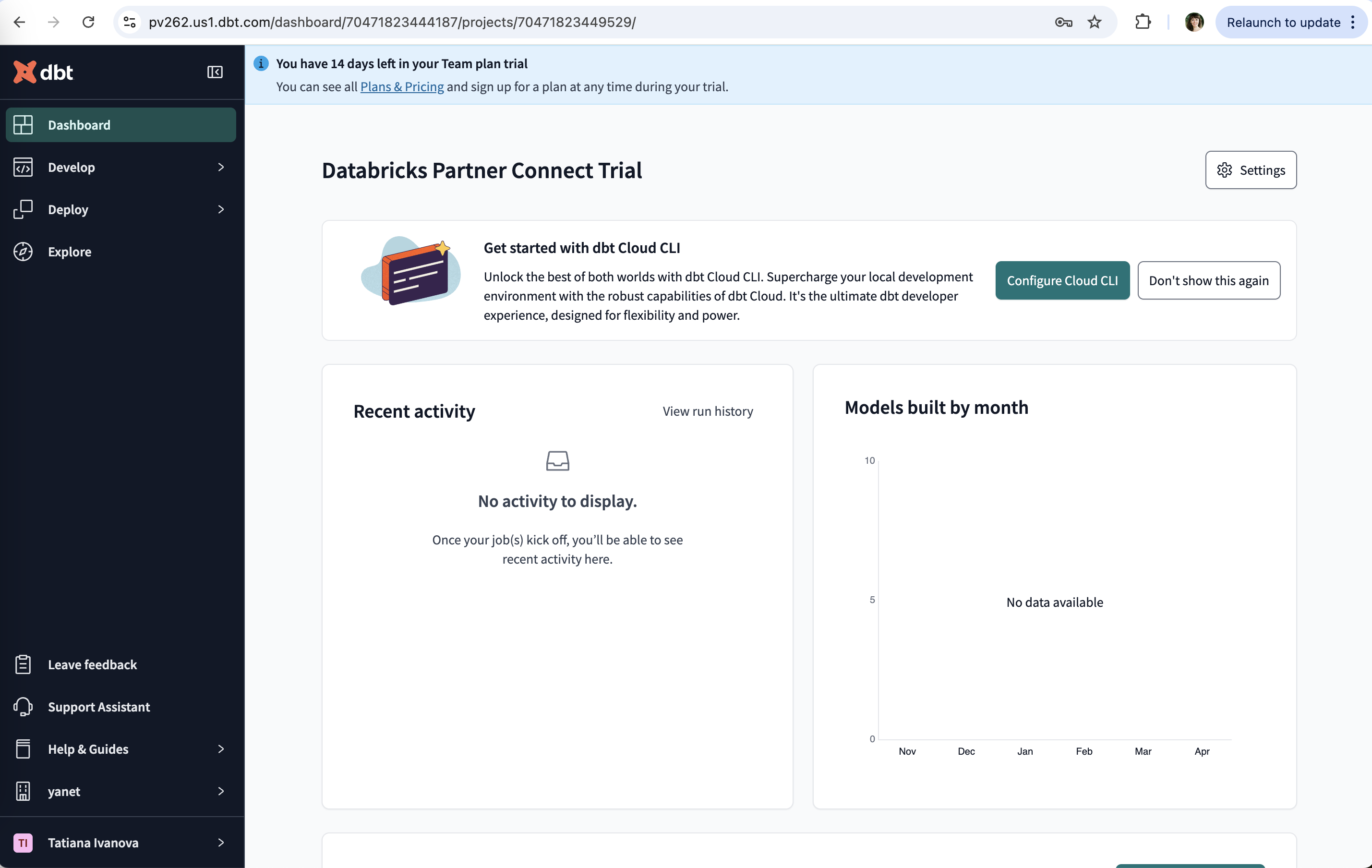
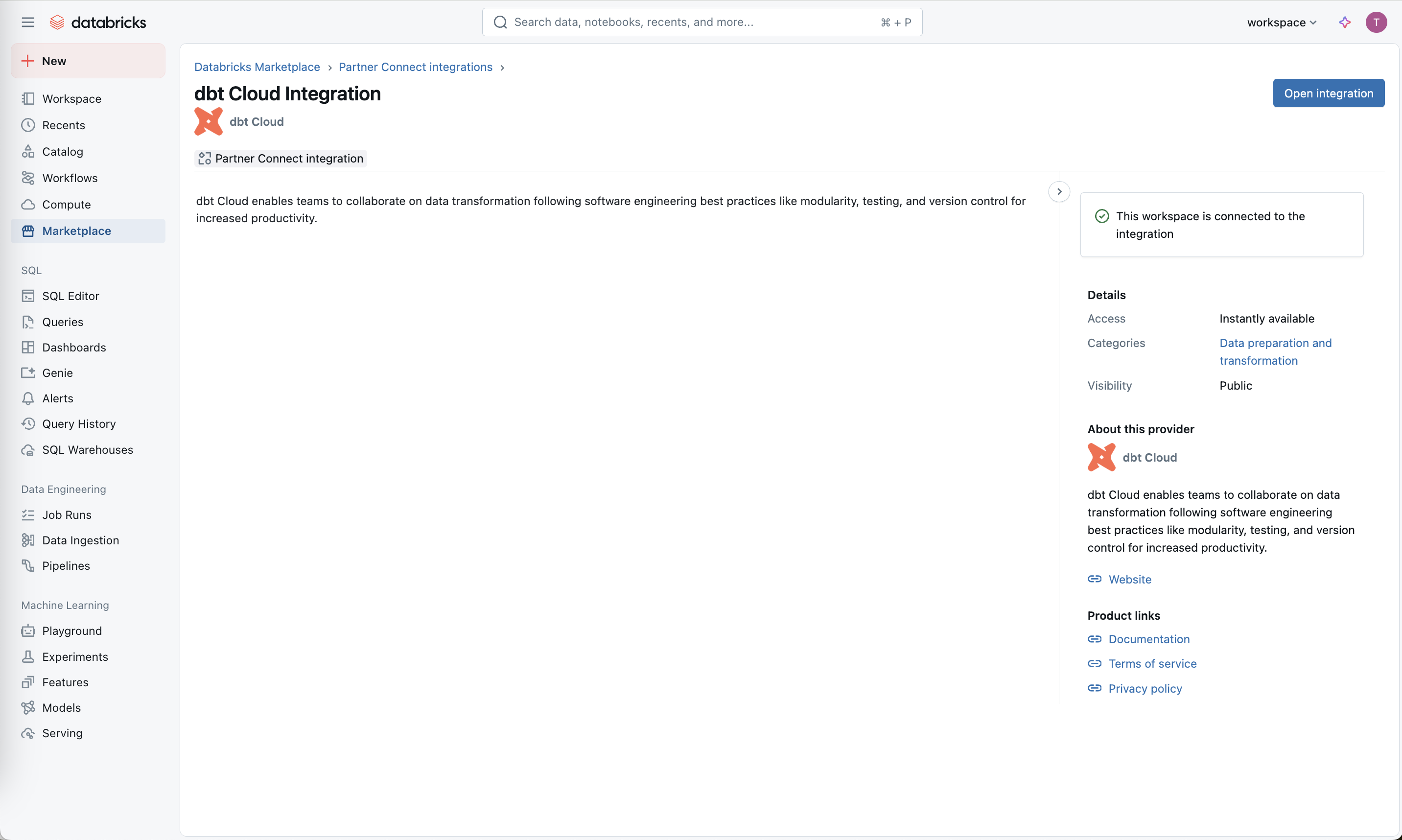
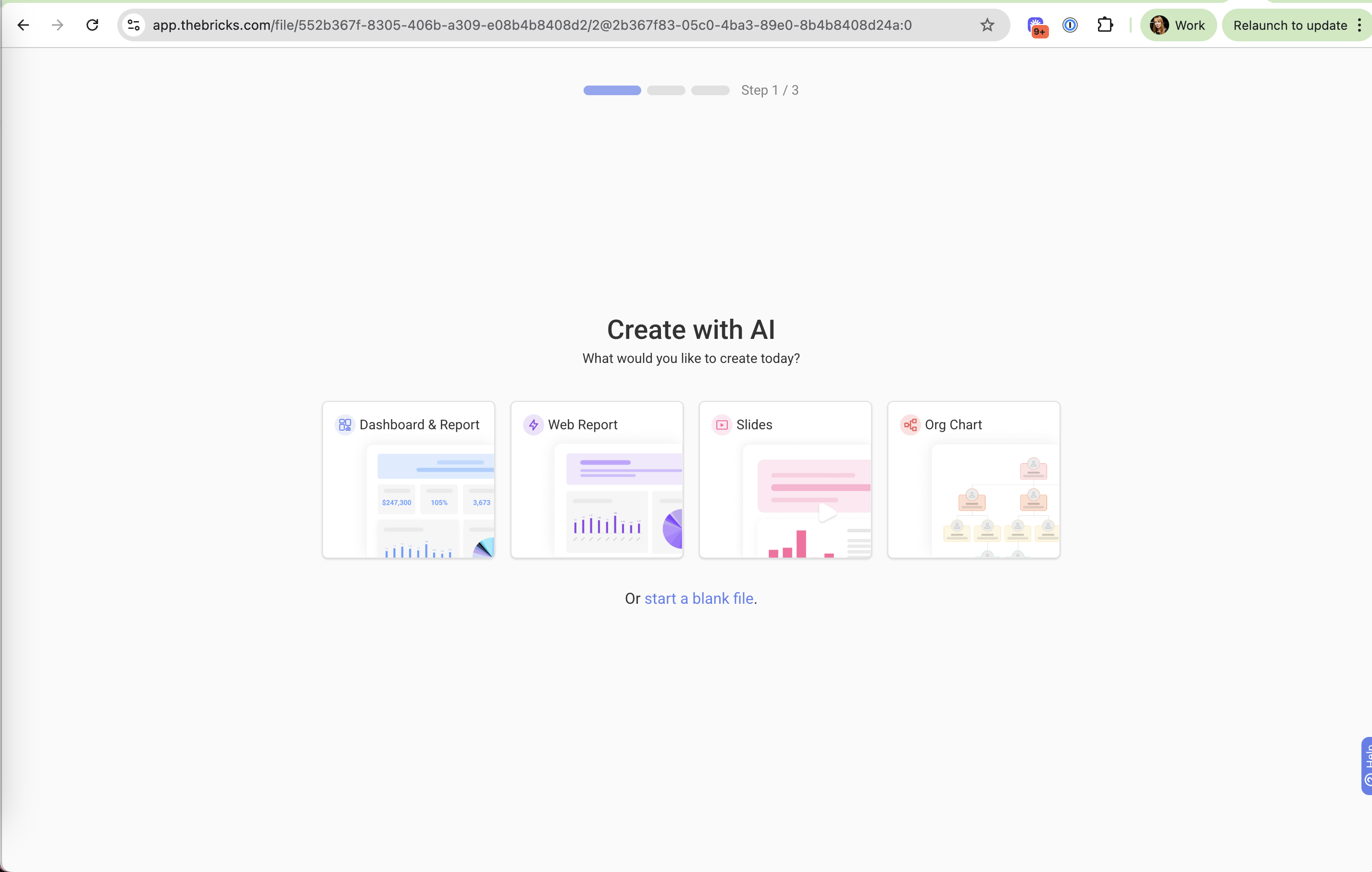
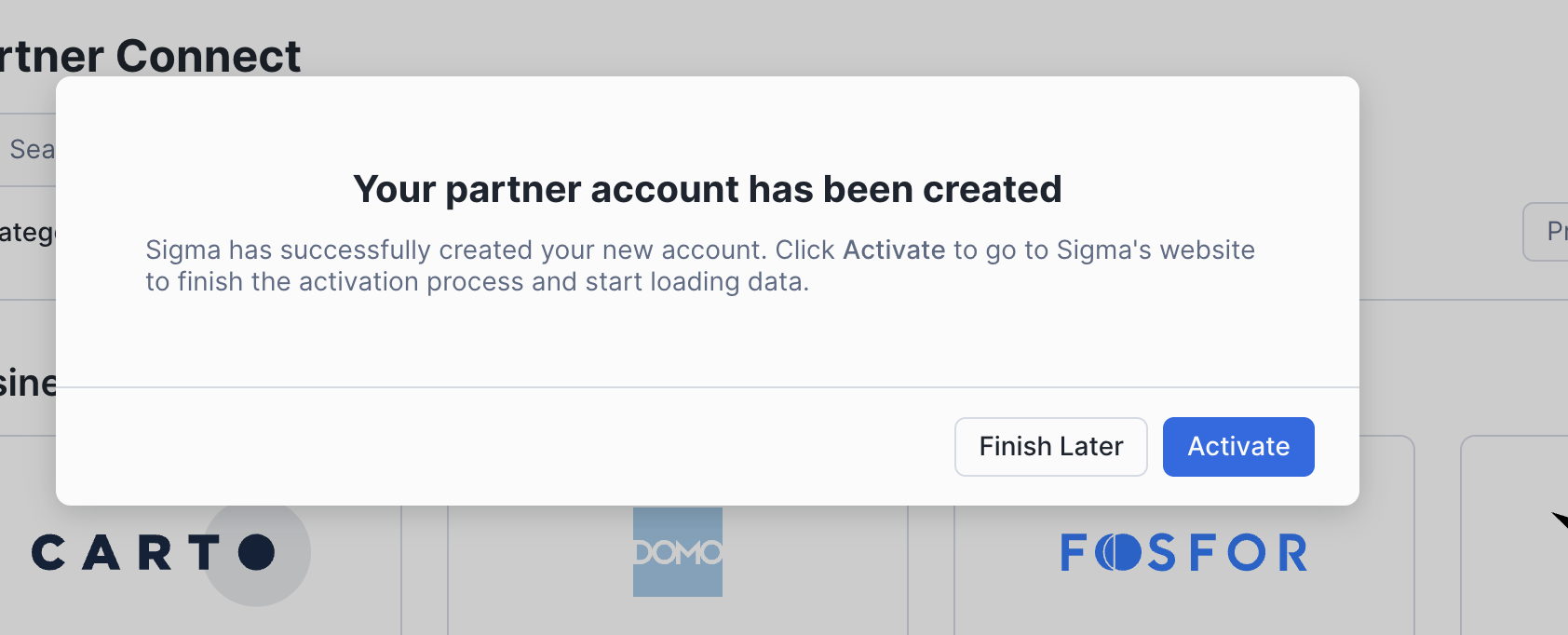
Preserving context means the product remembers where the user came from and what they already chose. On the site, good examples carry a selected option into the next screen or name a trial project after its source; bad ones ask the same question twice or send users to a different website to finish activation.
Nielsen's heuristic "recognition rather than recall" says users should not have to remember information from one part of an interface to use another. Field research shows the cost when context is broken: Iqbal and Horvitz (2007) logged office workers and found that after an email or chat alert, the resumption phase before people were back on the suspended task lasted about 11 to 16 minutes on average, and 27% of alerts led to more than two hours away from the windows people had been using. Windows that stayed visible were returned to sooner. Mark, Gudith and Klocke (2008) found interrupted people made up time by working faster, at the price of more stress and frustration.
Every hop to another tab, site or settings page during onboarding or checkout is an interruption, and some users do not come back.
How to use it
- Pass choices forward: if a promo said "dashboards", open the setup on dashboards instead of asking again.
- Keep upgrades and connections in place (a modal or inline panel) and return the user to the exact screen they left.
- Name new objects after their origin ("Trial from Partner Connect") so users can tell later where they came from.
Watch out
- Carrying context the user did not expect (reusing data from another product without saying so) can feel like surveillance.
- Restoring stale context, such as an old draft or a canceled plan choice, can be worse than starting fresh; let users clear it.