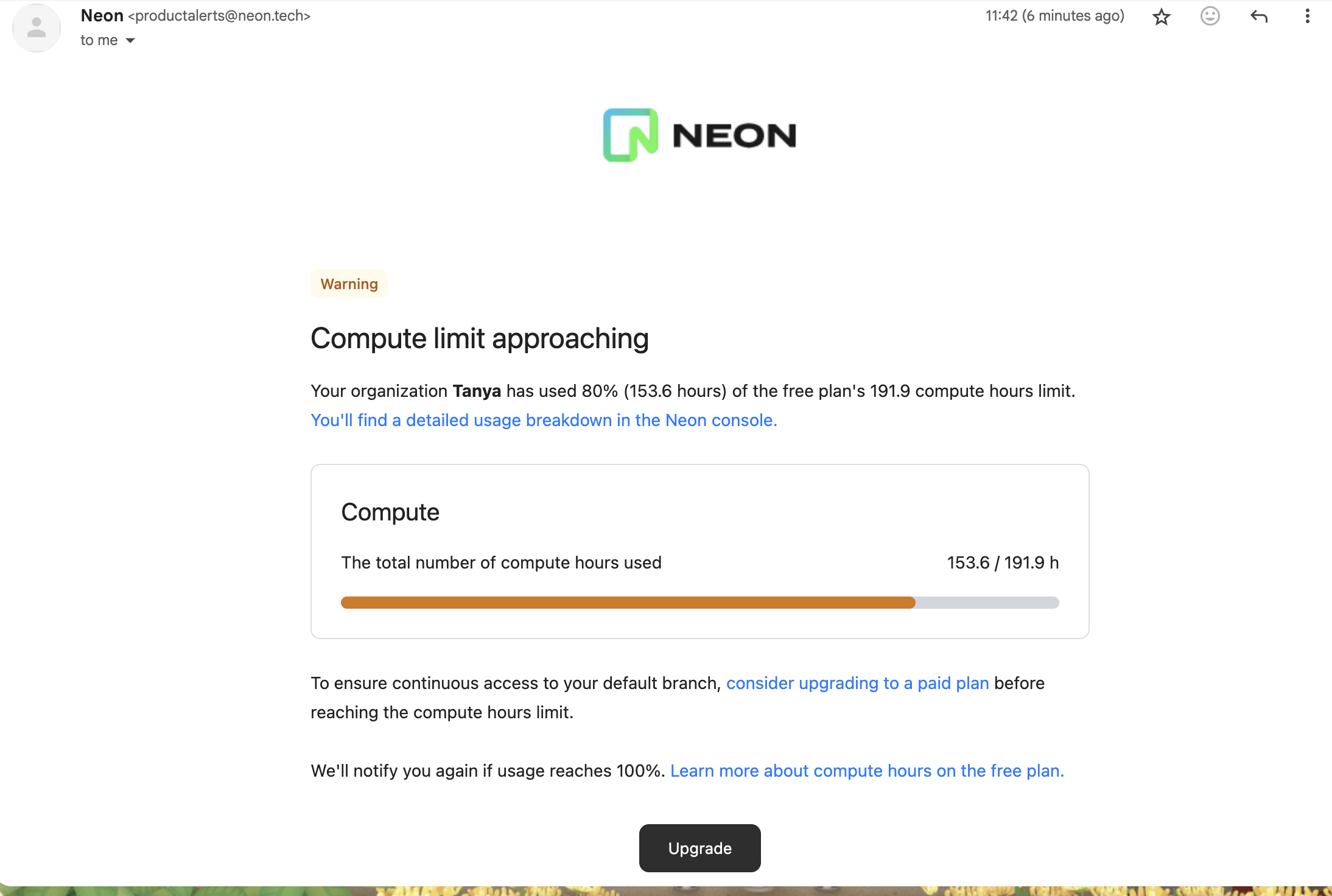
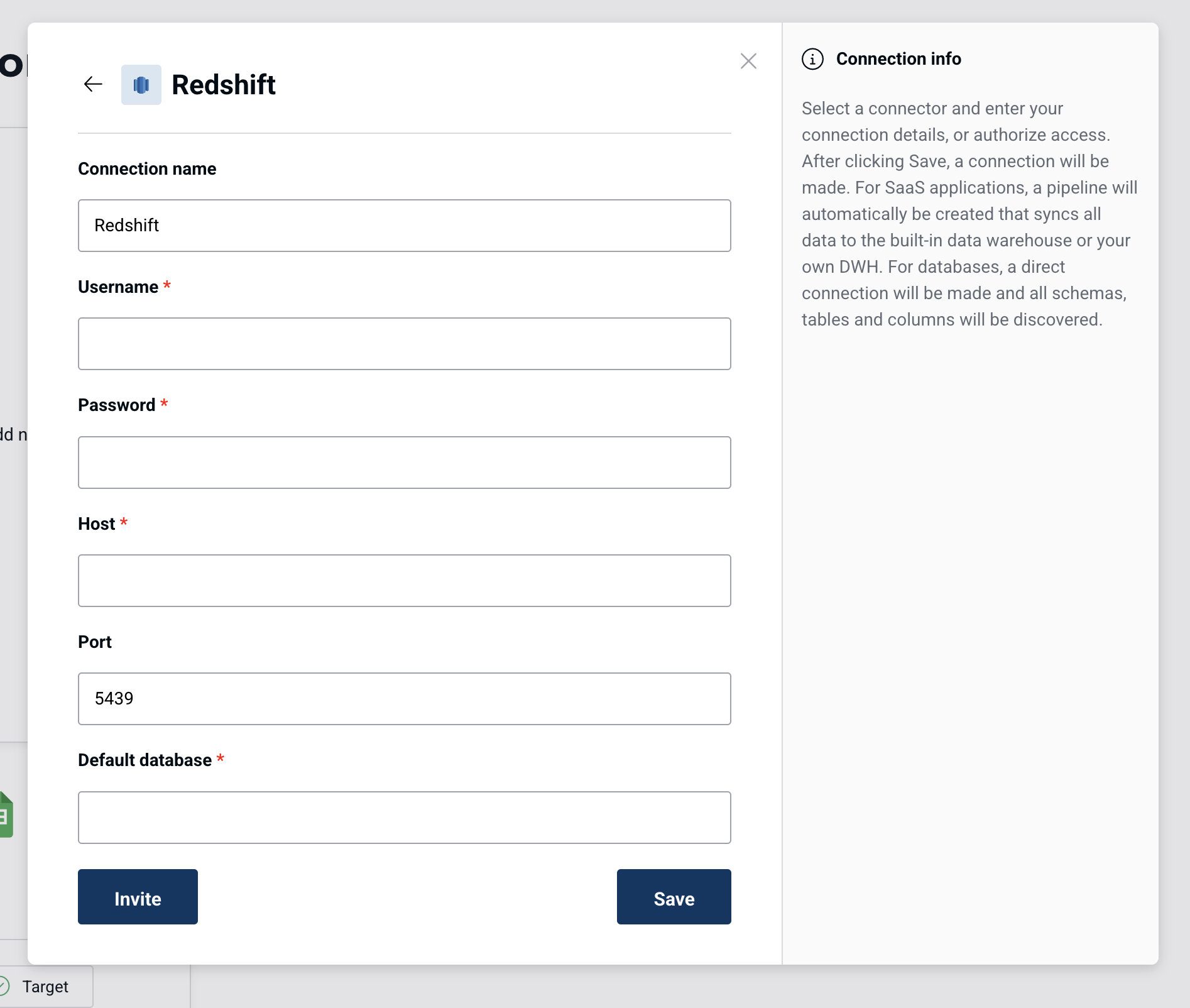
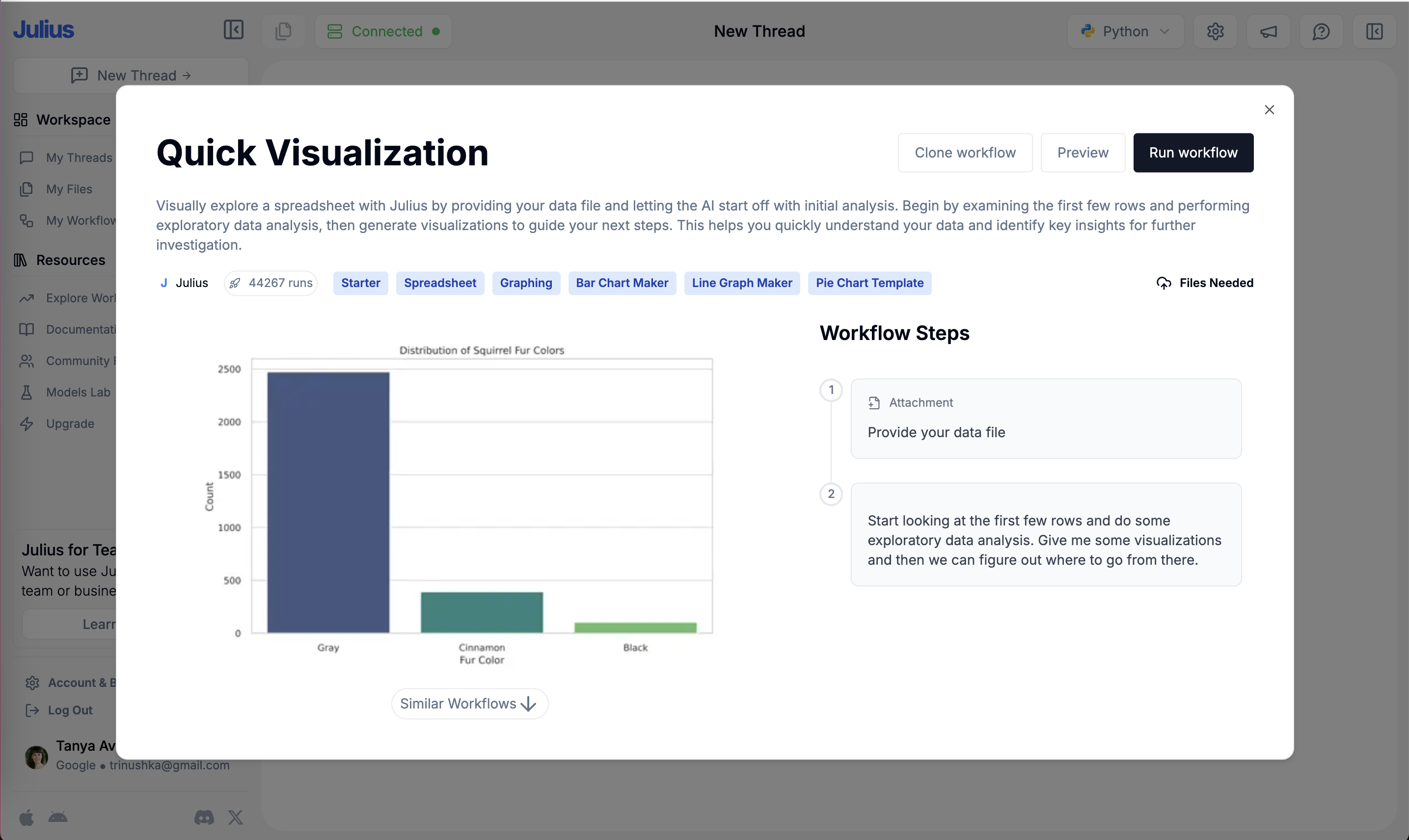
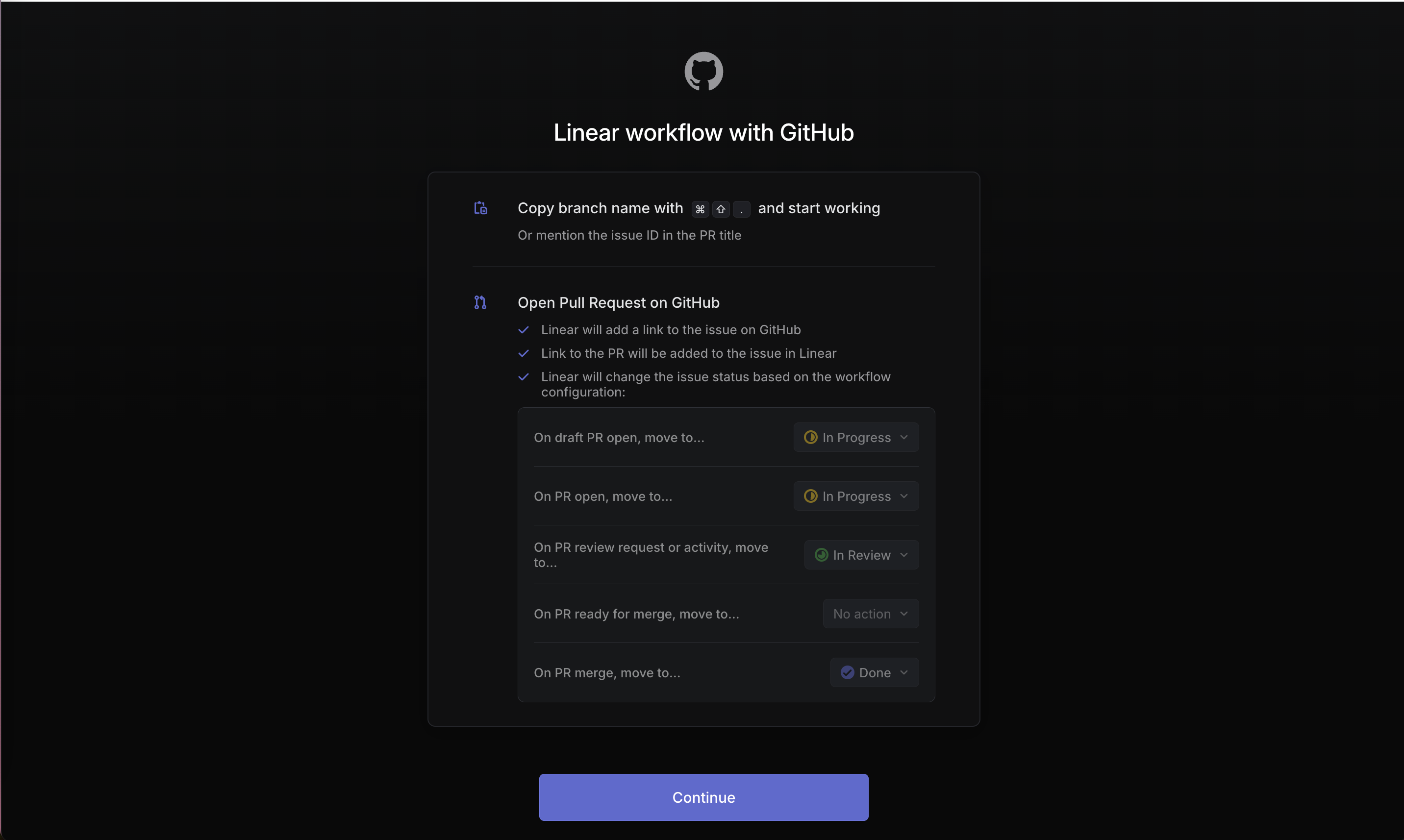
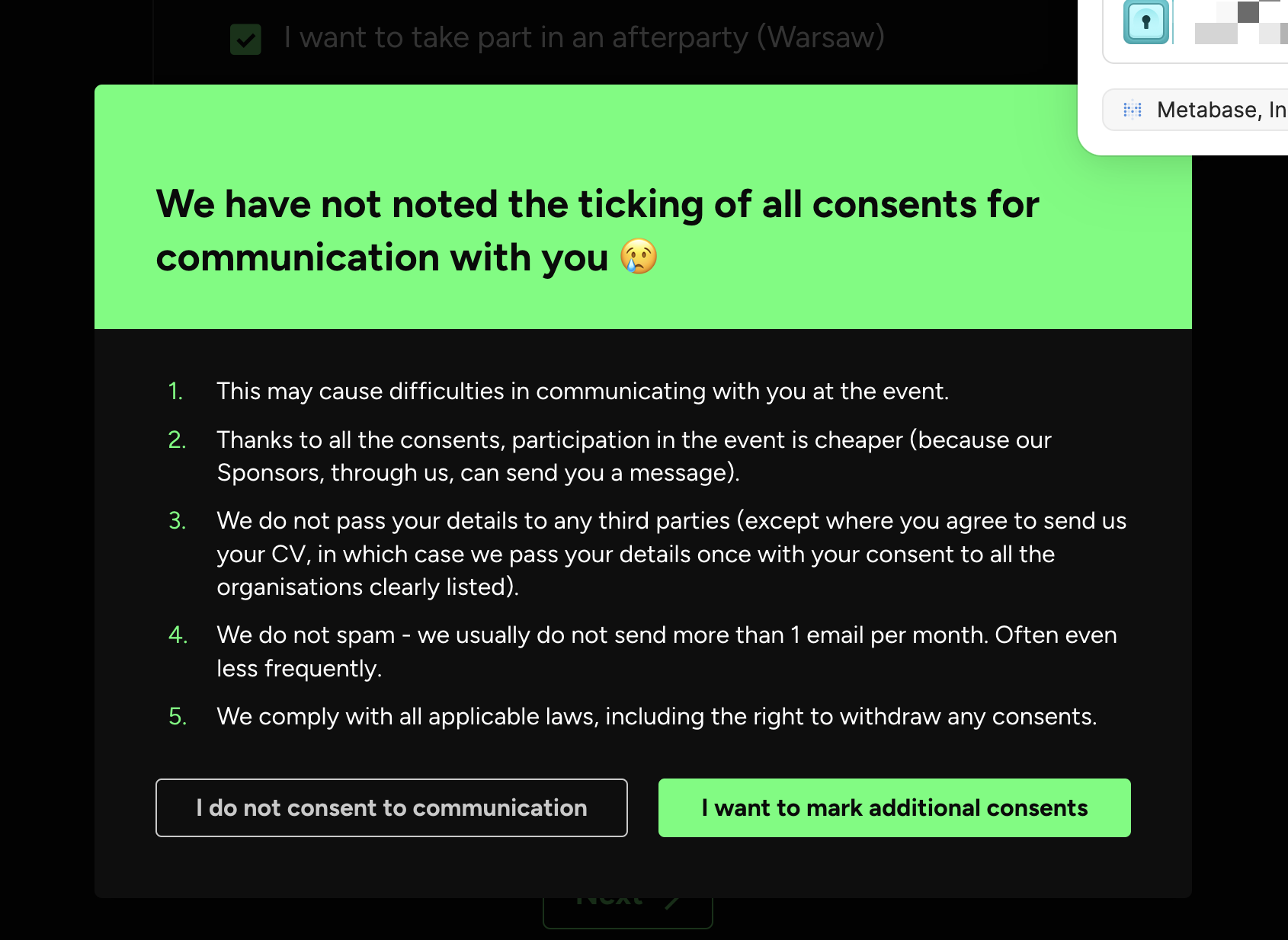
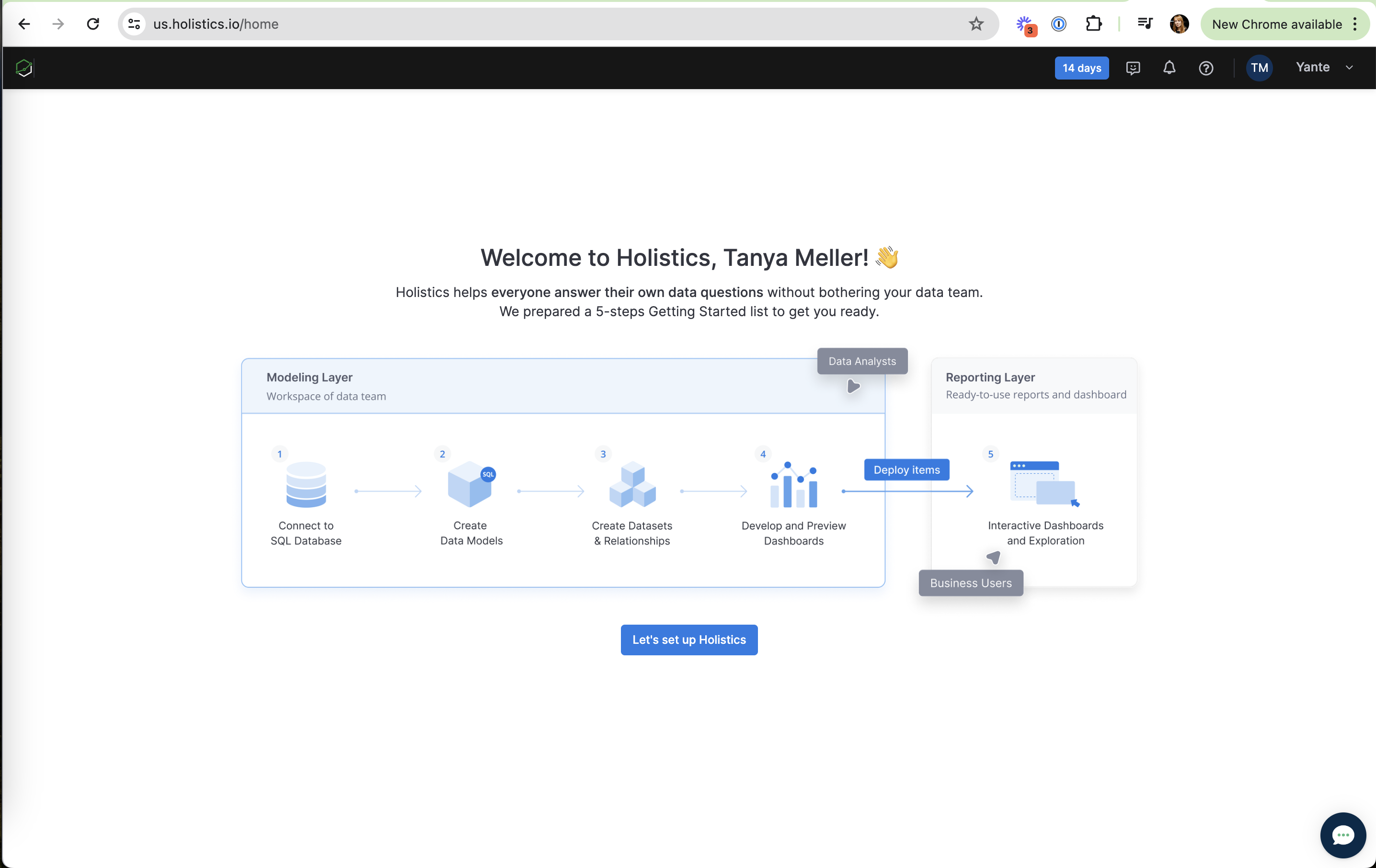
Expectation setting is saying in advance what is coming: how many steps, what you need to bring, what will happen automatically, how often you will be emailed, when the next alert will arrive. On this site good examples include "Not more than 1 email per month" on a consent ask and "We'll notify you again if usage reaches 100%"; a bad one is a cheerful "Let's go!" that hides four screens of personal questions.
Two lines of research support it. In service research, David Maister's "The Psychology of Waiting Lines" (1985) argues that uncertain waits feel longer than known, finite ones, and unexplained waits feel longer than explained ones. In consumer research, Richard Oliver's expectation-disconfirmation model (1980) holds that satisfaction depends on how the experience compares with what people expected, so the same outcome can satisfy or disappoint depending on the promise. NN/g's guidance on visibility of system status applies the same idea to progress indicators and explanations.
In onboarding and trials, unmet expectations are a common cause of drop-off: a flow that turns out longer than implied, a trial that needs data you did not bring, a charge you did not see coming. A sentence of setup costs little and prevents that surprise.
How to use it
- At the start of a multi-step flow, say how many steps there are and what you will ask for ("3 quick questions, about 1 minute").
- Before a setup or trial, list what people need to have ready (files, a database login, a teammate's email).
- After an action, say what happens next and when ("We'll email you when the import finishes, usually under 5 minutes").
Watch out
- Understating effort or cost to get people started ("Just one step") backfires when the truth arrives, and feels like a bait and switch.
- Over-promising outcomes in onboarding copy sets a bar the product then fails to meet, lowering satisfaction even if it works well.