A mental model is the user's working theory of how a system behaves: what a tab contains, where data goes, what an agent will do. People build it quickly from names, past products and the first screens they see, and then act on it whether or not it is accurate.
Don Norman's The Design of Everyday Things describes the gap between the designer's conceptual model and the user's mental model, bridged only by what the product itself shows (its system image). Nielsen Norman Group's guidance builds on this: when a design clashes with what users believe, they make errors and get confused, and the fix is either to match their expectations or to teach a more accurate model.
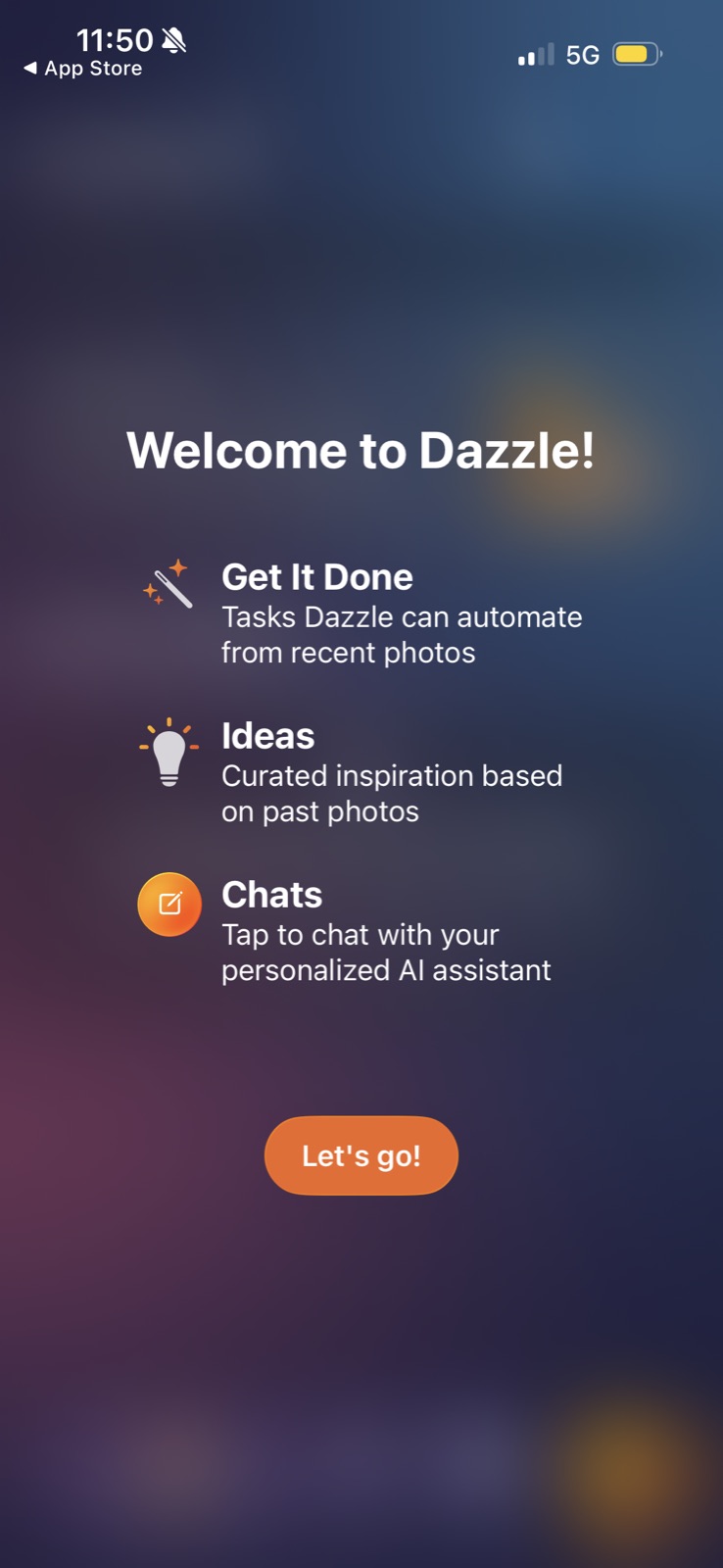
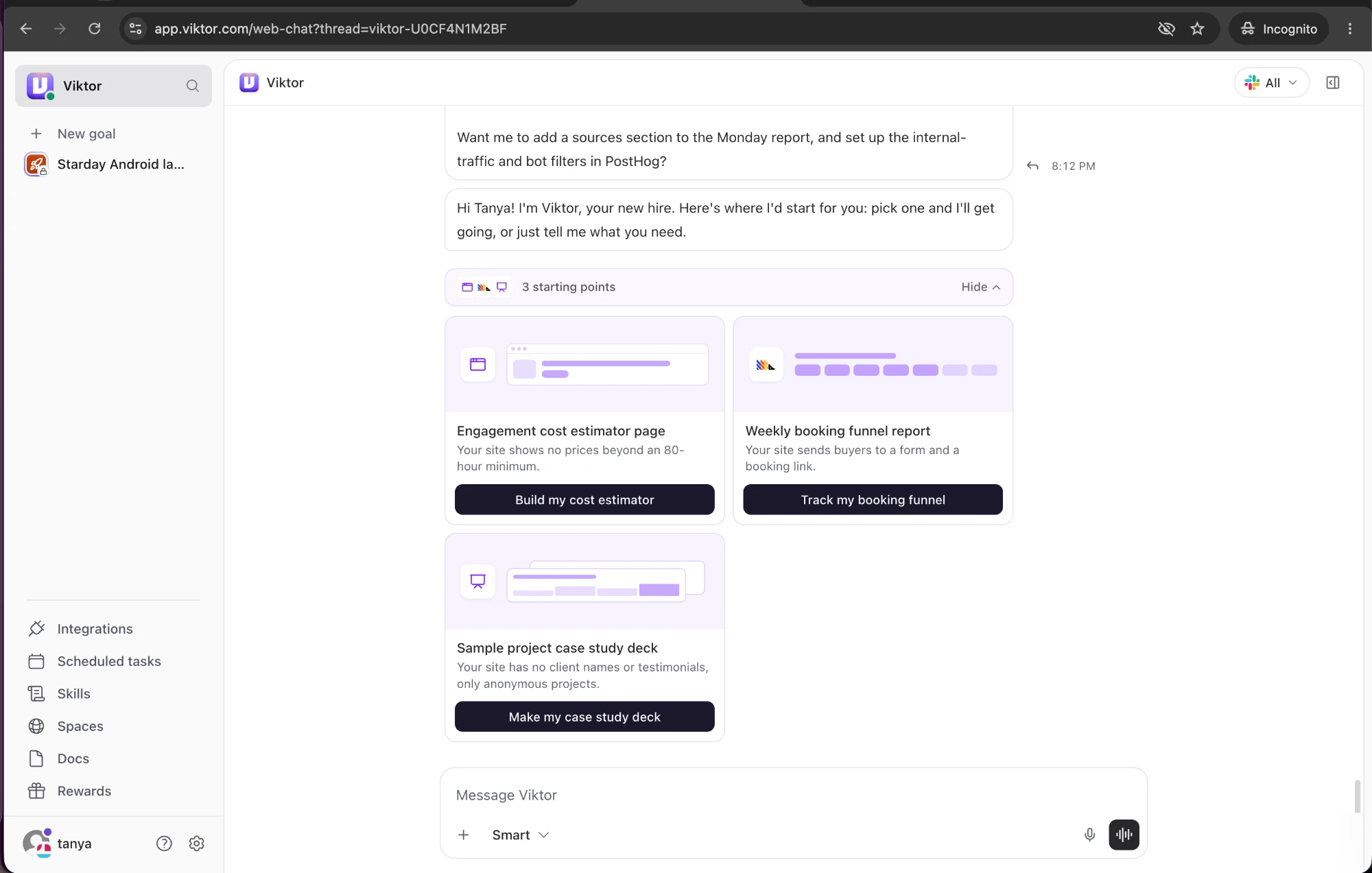
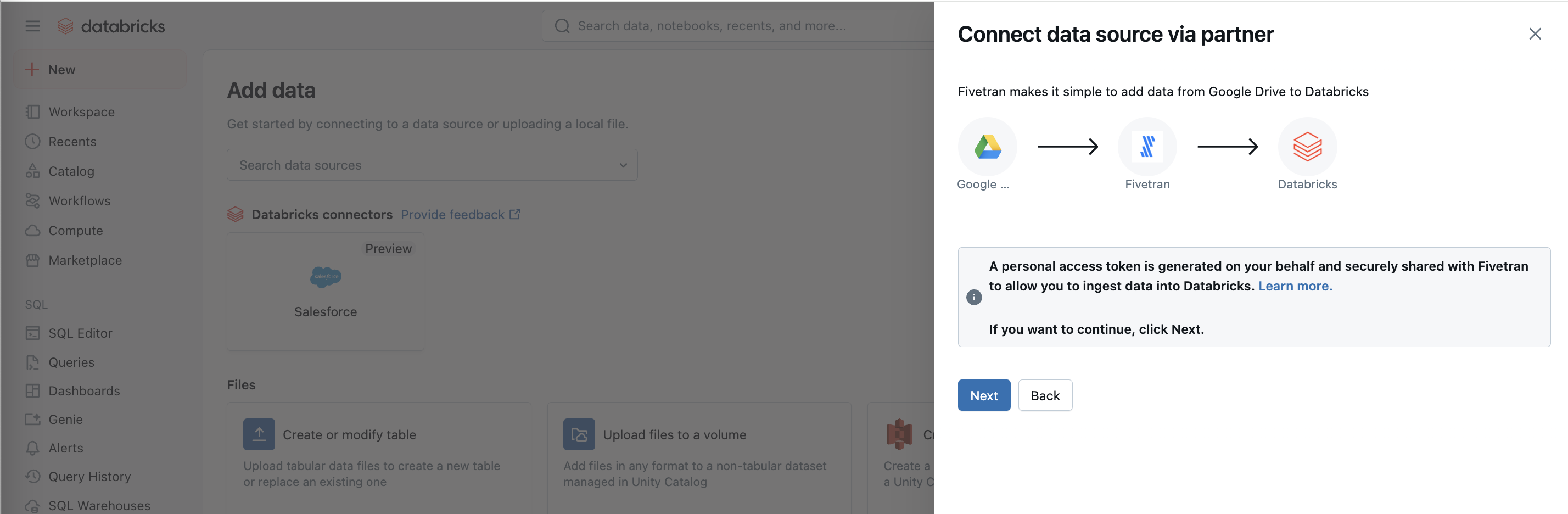
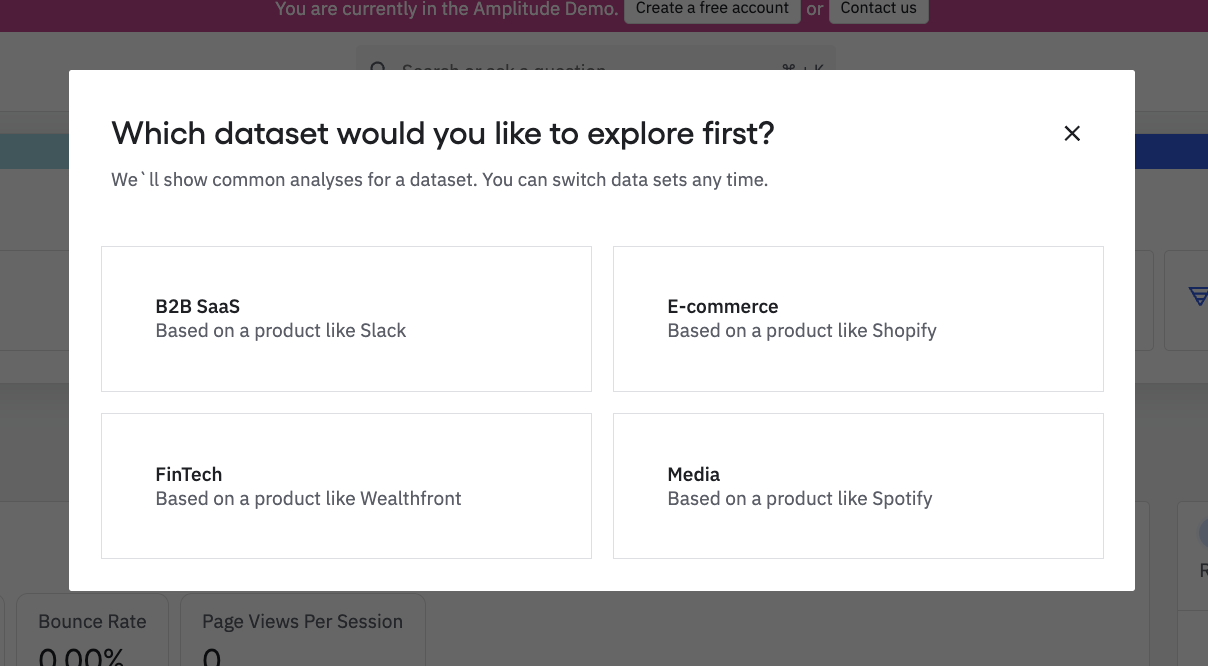
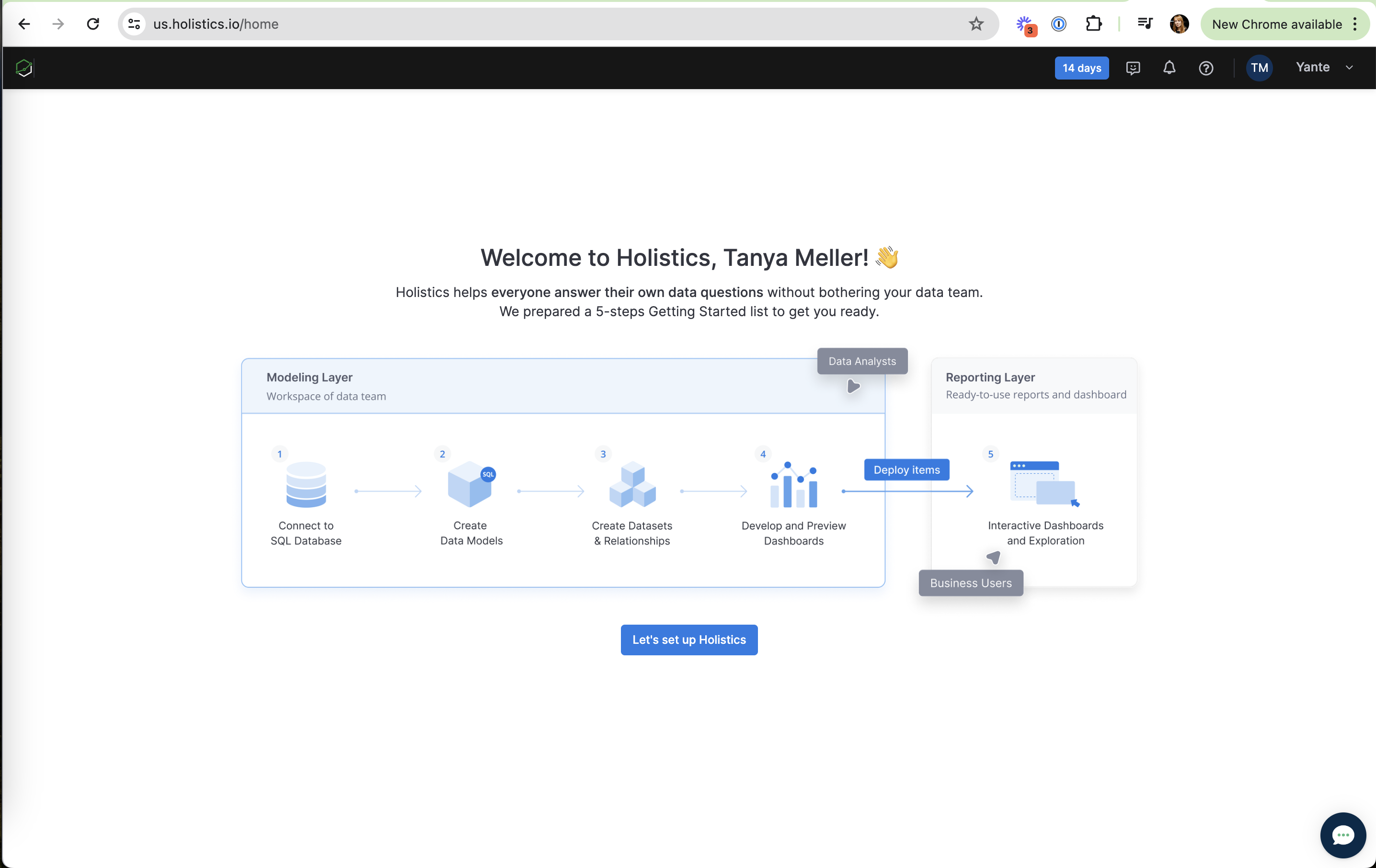
Onboarding is where the model is formed, so it is the cheapest place to set it right. A diagram of where data flows, a one-line explanation of each tab, or a familiar comparison ("like Slack", "your new hire") gives users a model they can act on. Paywalls and upsells depend on it too: if users don't understand what a credit, seat or workspace is, they can't judge the price.
How to use it
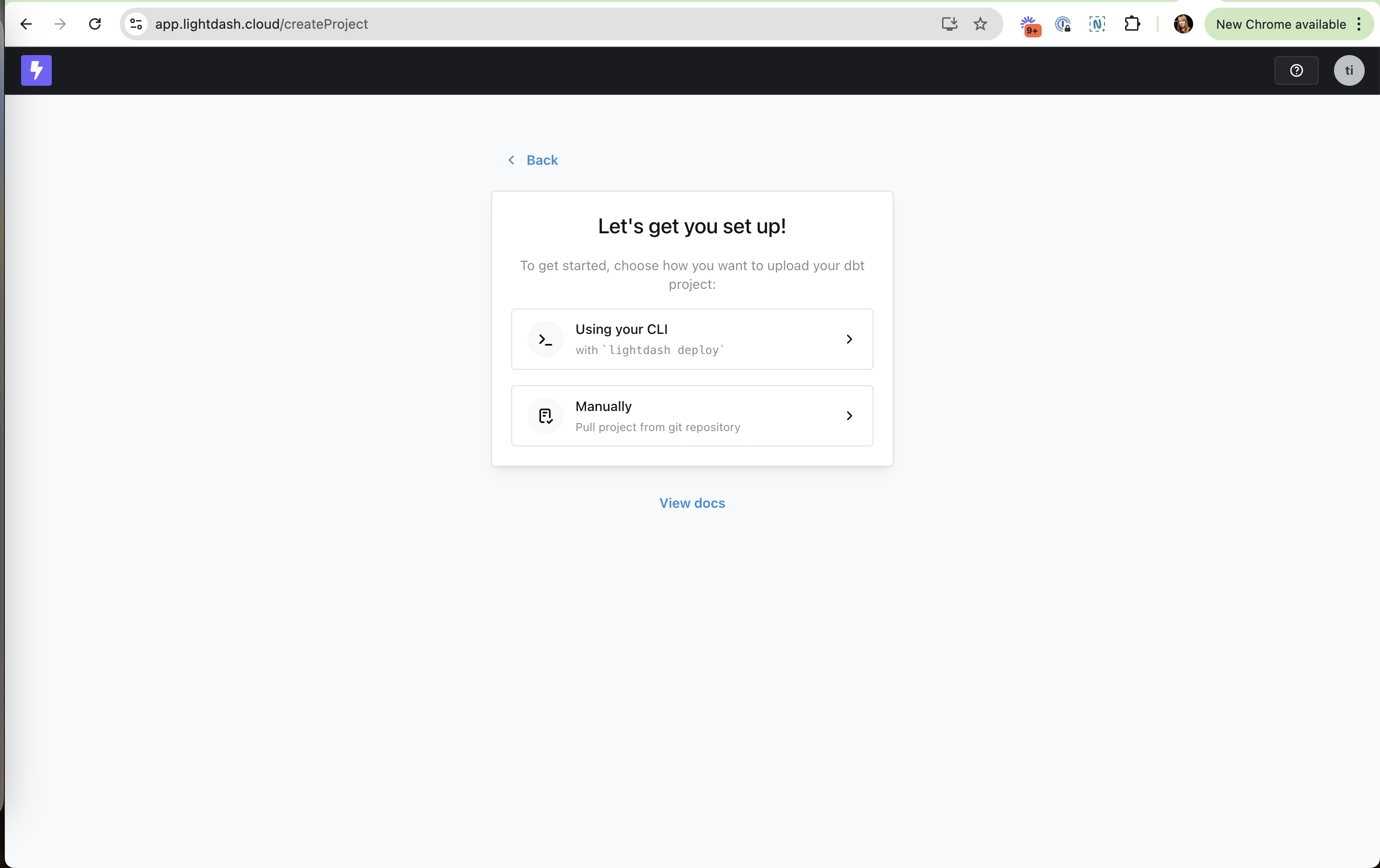
- Name things with words users already use, and explain any new concept in one plain line before they meet it.
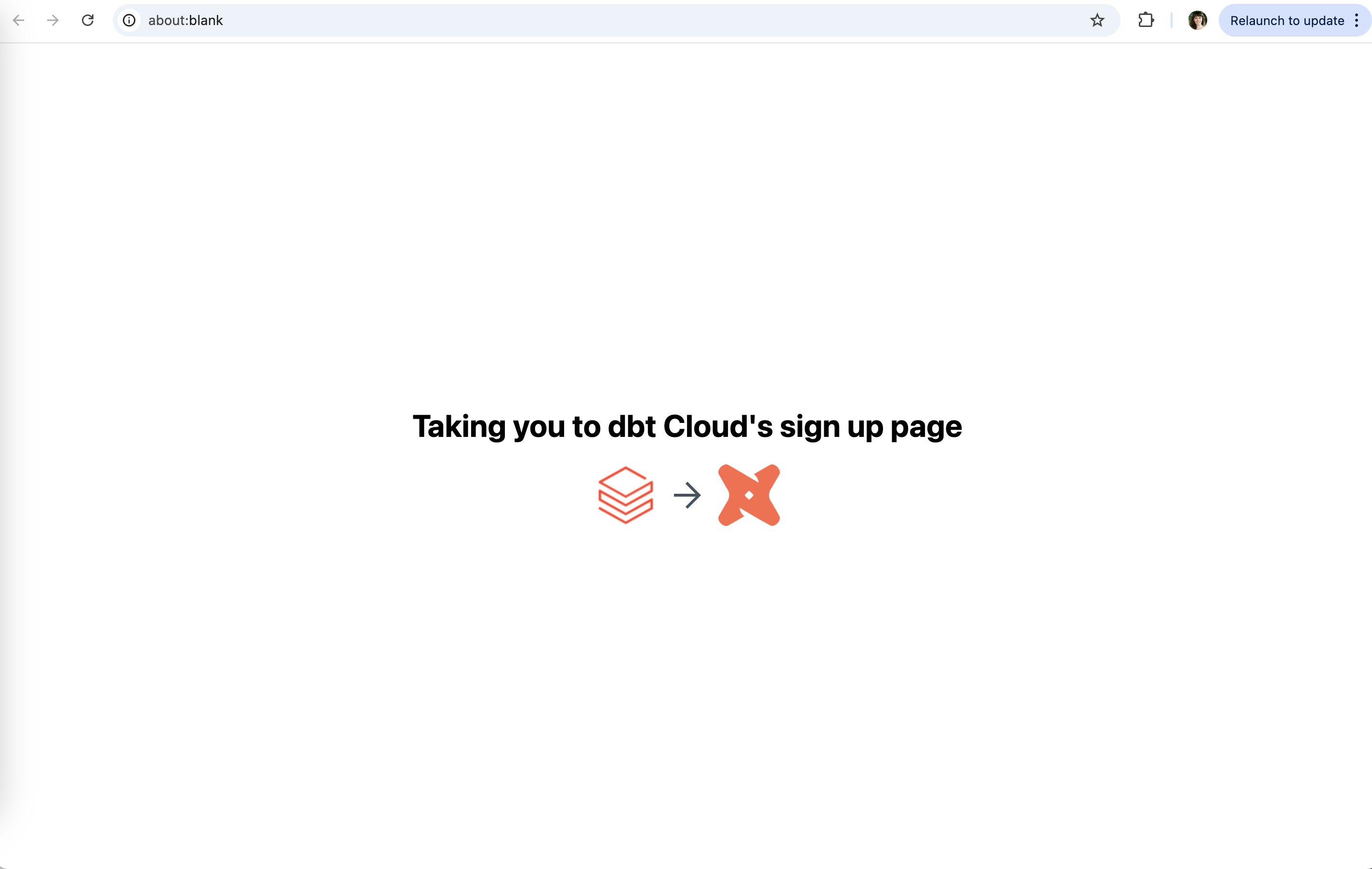
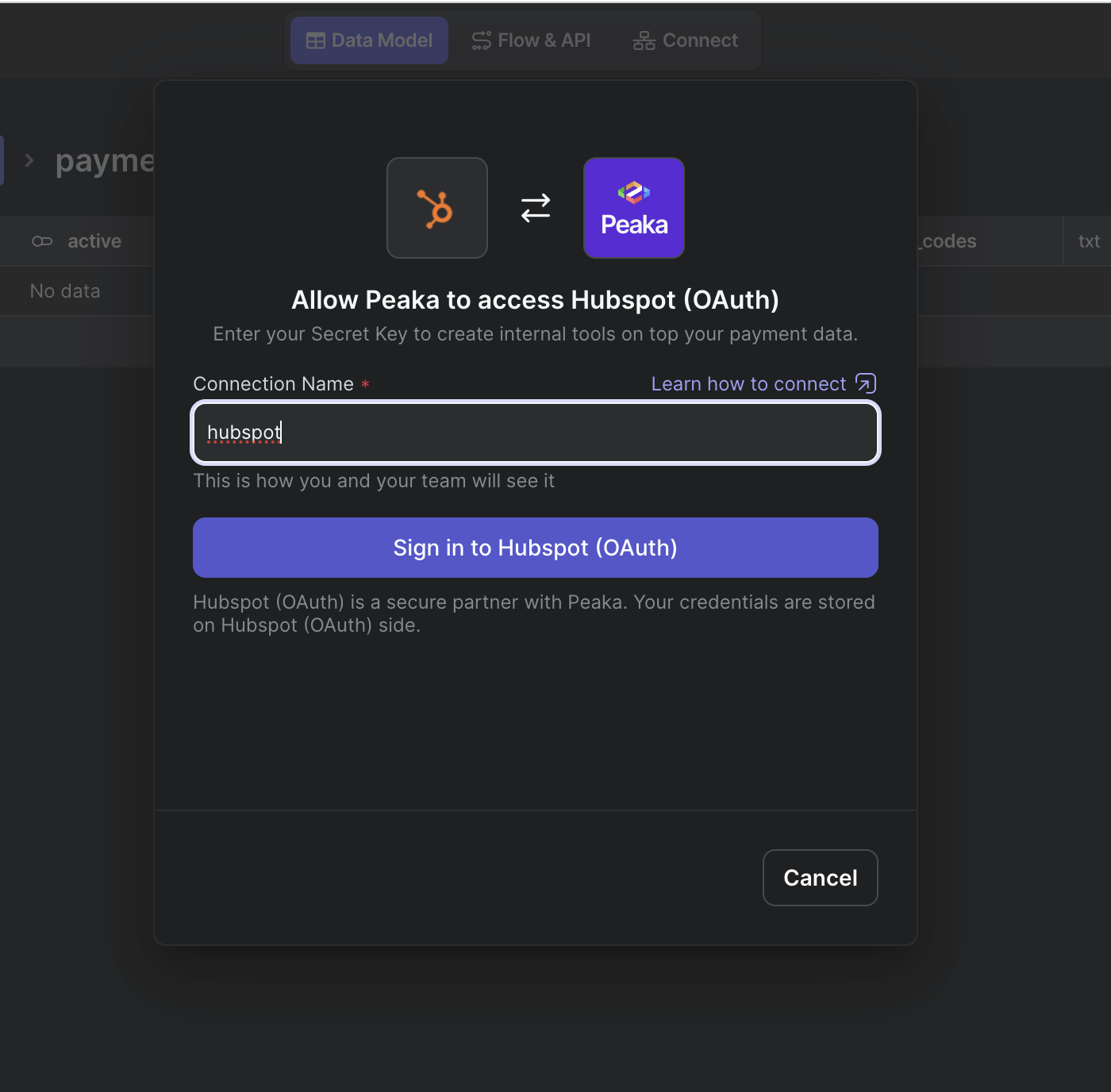
- Use a simple diagram (source, arrow, destination) when data moves between systems or a third party is involved.
- Anchor unfamiliar products to a familiar one ("works like a shared inbox"), then show where it differs.
Watch out
- Assumed knowledge: internal jargon or units (credits, tokens, seats) that users have no model for.
- A borrowed metaphor that sets the wrong expectation, such as calling an automated agent a "hire" when it cannot finish whole jobs.