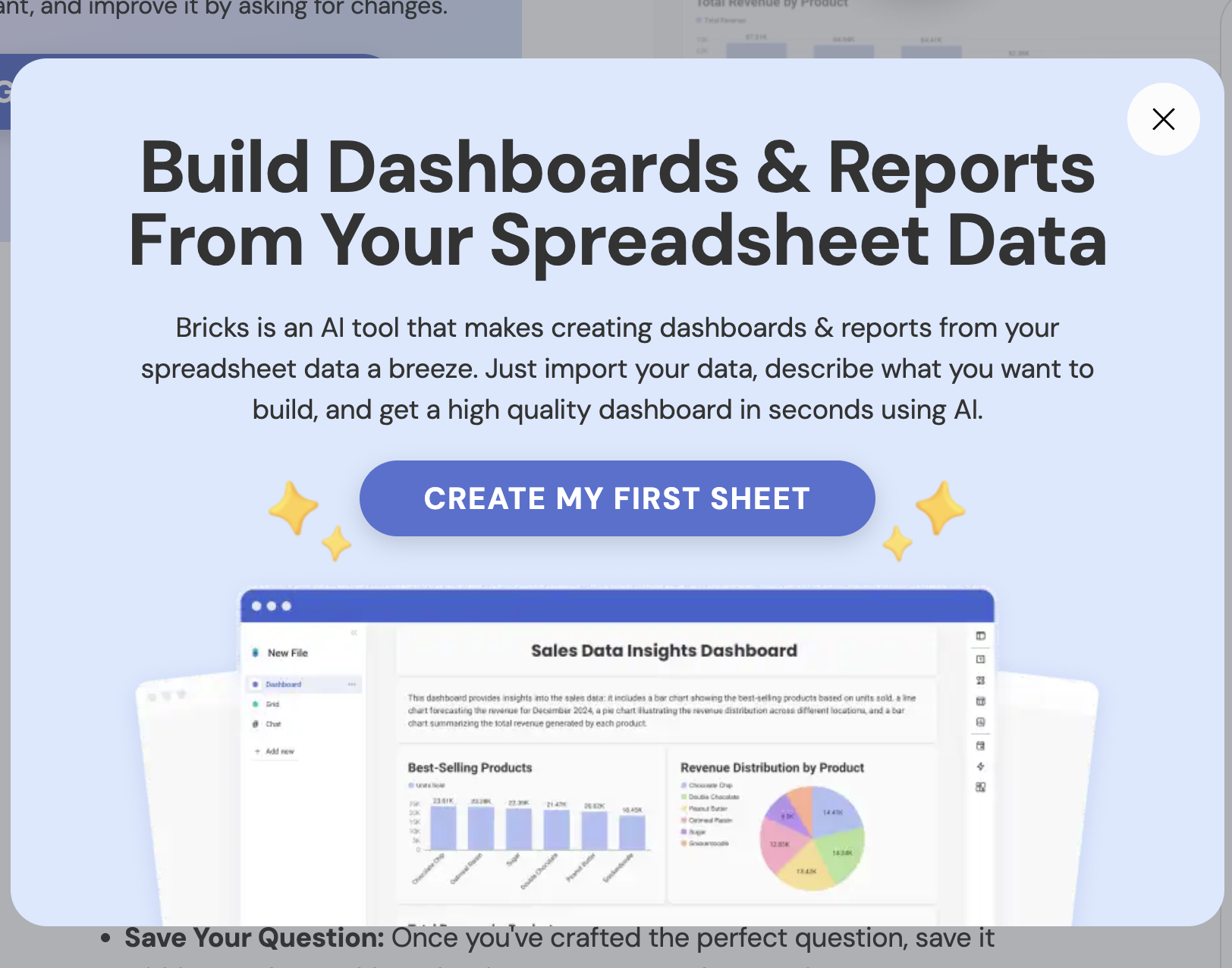
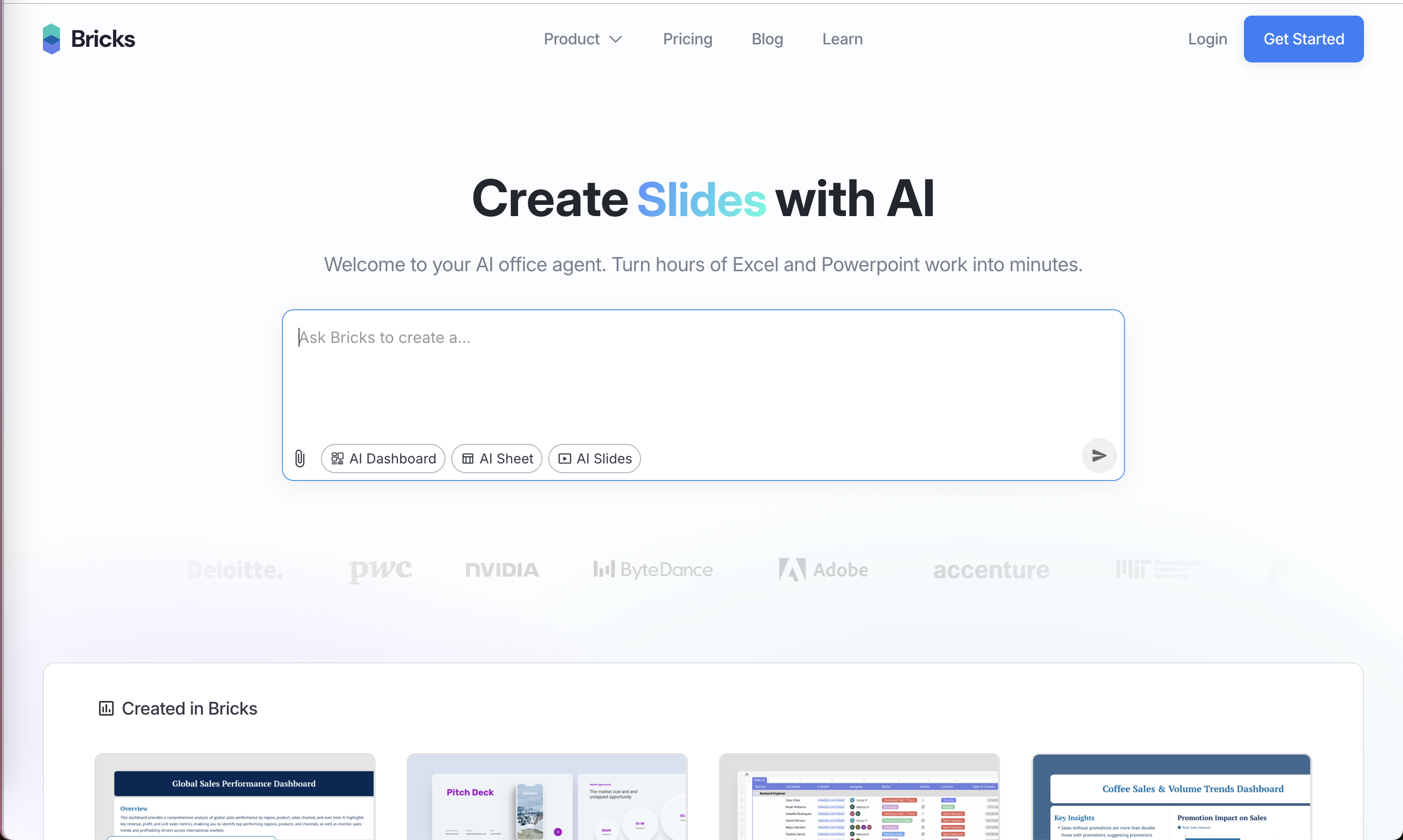
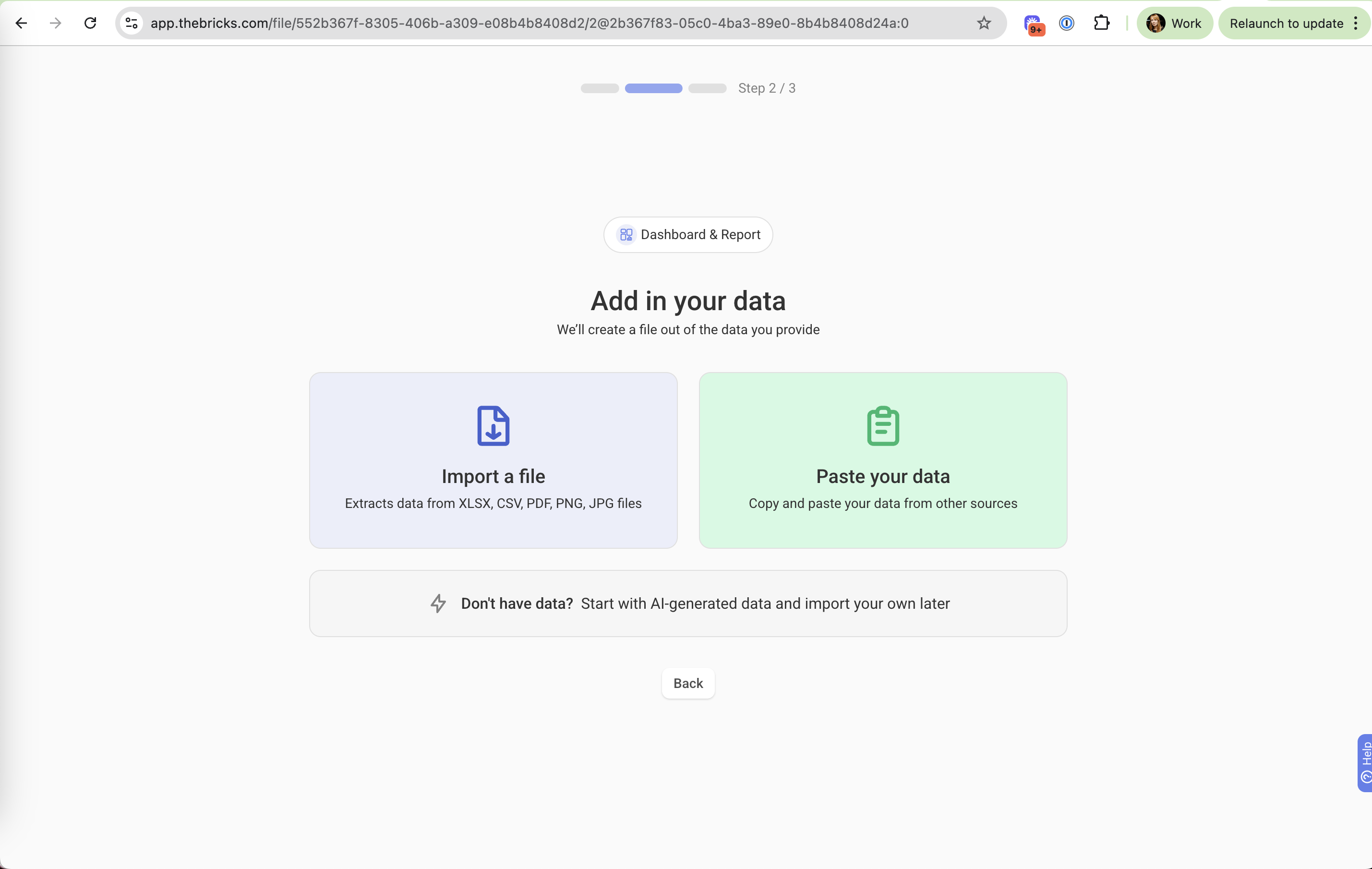
Message match means the headline, offer and first action on a landing screen or upsell echo what the user clicked. If a promo inside a Google Sheets guide says "build dashboards from your spreadsheet", the next screen should say that and offer a Sheets connection, not "Create slides with AI" and a file upload.
The idea comes from landing-page practice, where Unbounce and others define it as how closely page copy aligns with the ad or link that drove the visit. It rests on information scent, described by Nielsen Norman Group: people decide where to go based on cues in link labels and context, and keep going only while those cues keep matching their goal. A mismatch reads as "wrong page" and they leave.
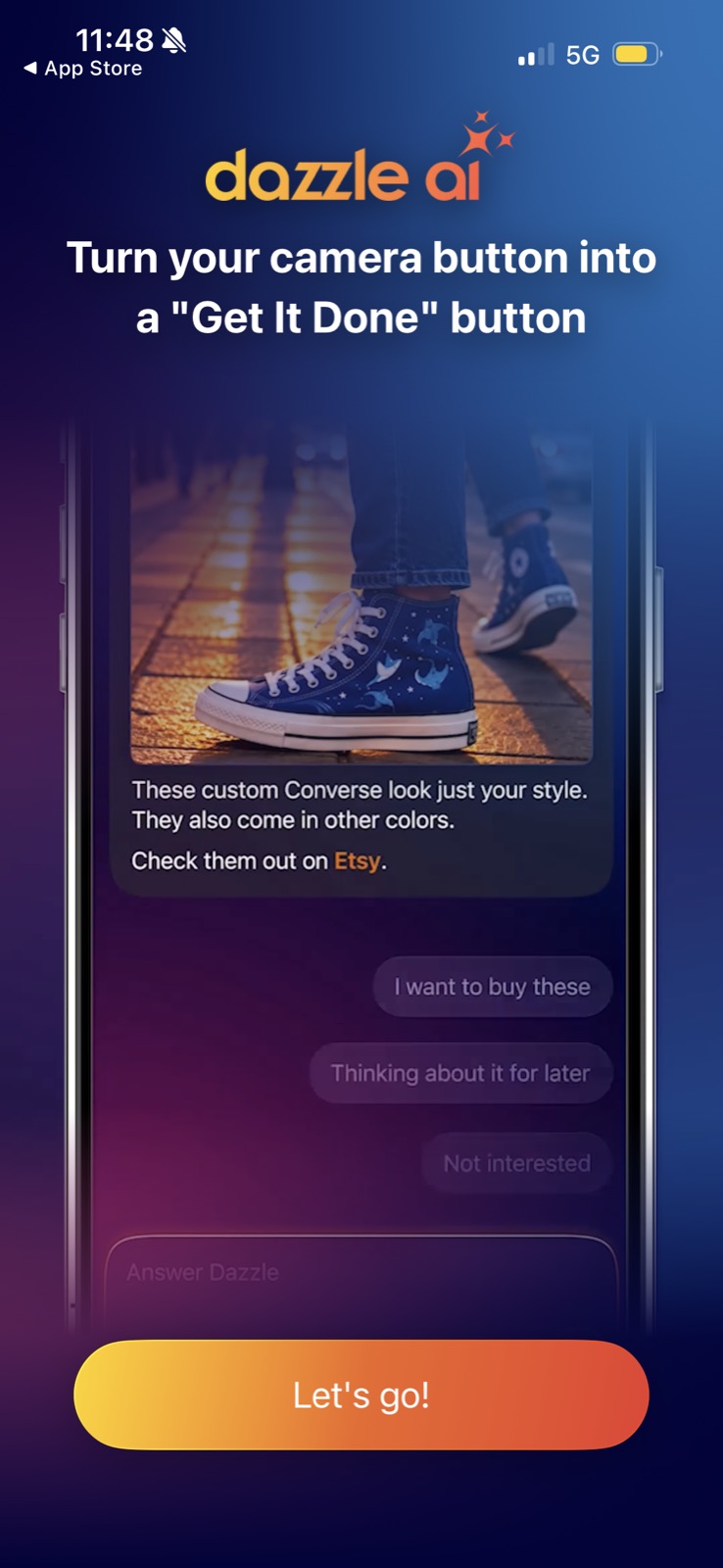
Inside products the same rule applies to upsells and onboarding. A contextual upgrade prompt should land on a plan page that leads with the feature that triggered it, and a first-run example should match the job the user signed up for. Mismatched first examples, like a shopping answer in a to-do app, quietly redefine the product.
How to use it
- Reuse the exact wording of the promo or ad in the landing headline.
- Carry the user's context through: if they came from a Sheets guide, show the Sheets option first.
- When an upsell is triggered by a specific limit or feature, open the plan page on that feature.
Watch out
- A generic homepage or default paywall for every entry point throws away the intent the user arrived with.
- Clickbait promos that the landing page can't deliver win the click and lose trust.