Product pattern

Time to value

Shorten the time between signup and the first moment the product does something useful for this user.

Time to value Two routes from signup. In the first, permissions, waiting for an admin, an empty screen and a paywall all come before any result. In the second, a chart on sample data is the step right after signup, and connecting data, inviting the team and the paywall come later. Setup first: the paywall arrives before any result Sign up Permissions Admin wait No data yet Paywall First result Result first: the rest of setup can wait Sign up First result on sample data Add data Invite team Paywall Later, once they have seen it work First result in under a minute
A long setup puts permissions, an admin wait, an empty screen and a paywall before any result; starting with sample data gives a first result right after signup.

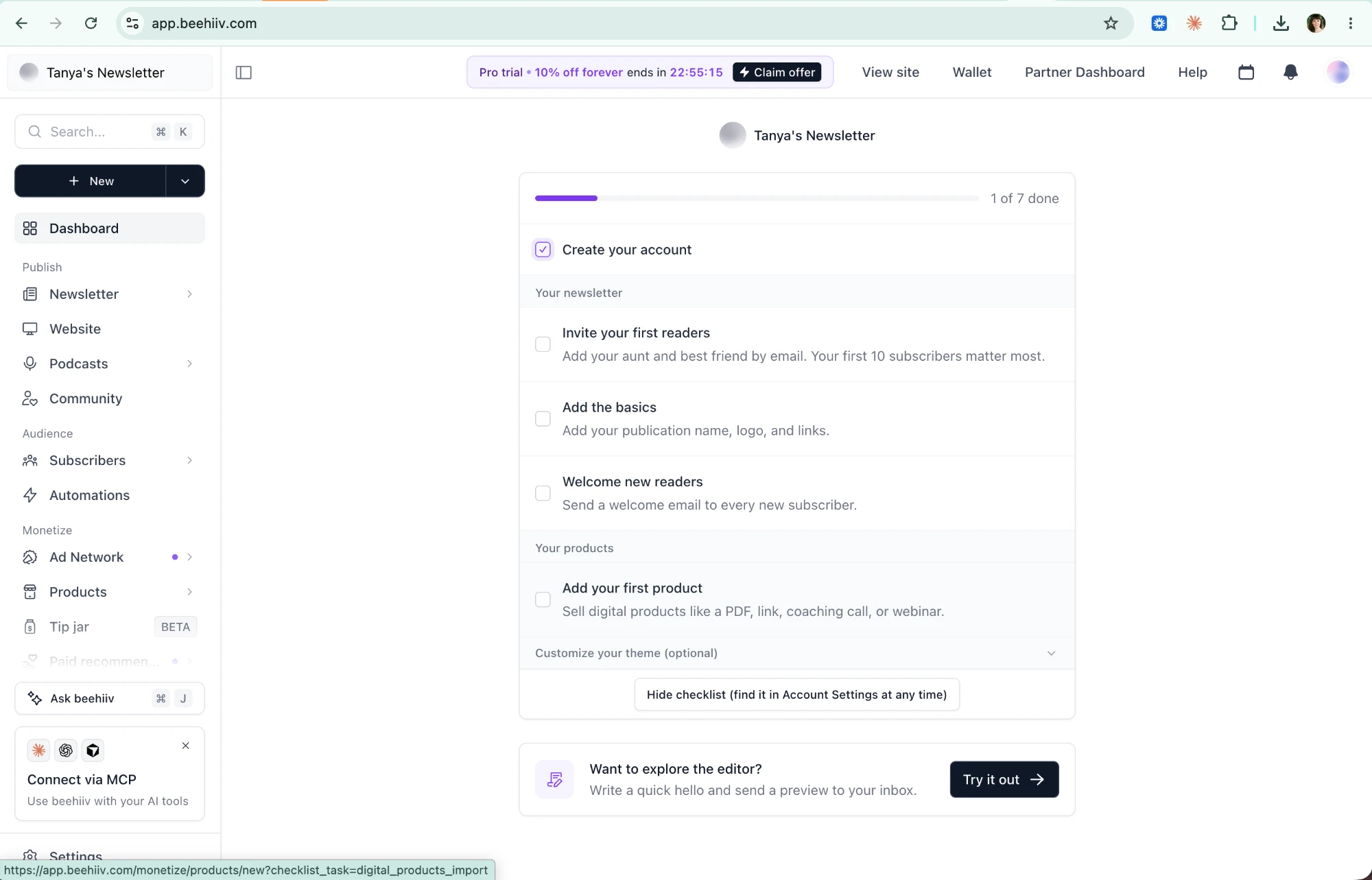
Time to value is how long a new user waits before getting a real result. The site uses it for quick first wins ("send a test email to yourself"), starting small (pick two tables, not all), and for its failures: empty states after a long permission flow, or setup steps that only a data team can complete.

Nielsen (1998), drawing on Carroll and Rosson (1987), describes the paradox of the active user: people skip manuals and tutorials because they want to get their task done now, so products must be useful before they are learned. The foot-in-the-door studies support starting small. Freedman and Fraser (1966) found people who first agreed to a small request were much more likely to agree to a larger one later, and Burger's 1999 review found the effect holds under some conditions and not others. NN/g's Kate Kaplan (2021) recommends using empty states to show status, teach and offer a next step rather than leaving a blank screen.

Most trial users decide within the first session whether the product is worth more effort. If the first screen after signup is empty or blocked on someone else's work, the paywall arrives before the value does.

How to use it

  • Define the first useful result for each segment and remove or defer every step not needed to reach it.
  • Fill empty states with sample data, a template, or one clear action that produces a result in under a minute.
  • Make the first step small (connect one source, invite one teammate) and say that the rest can be done later.

Watch out

  • Faking value with demo data the user cannot tell apart from their own creates a letdown when the real setup begins.
  • Rushing to a quick win that is not the product's core value can lift activation numbers without improving retention.
Related

Time to value in real products 9 working · 7 not

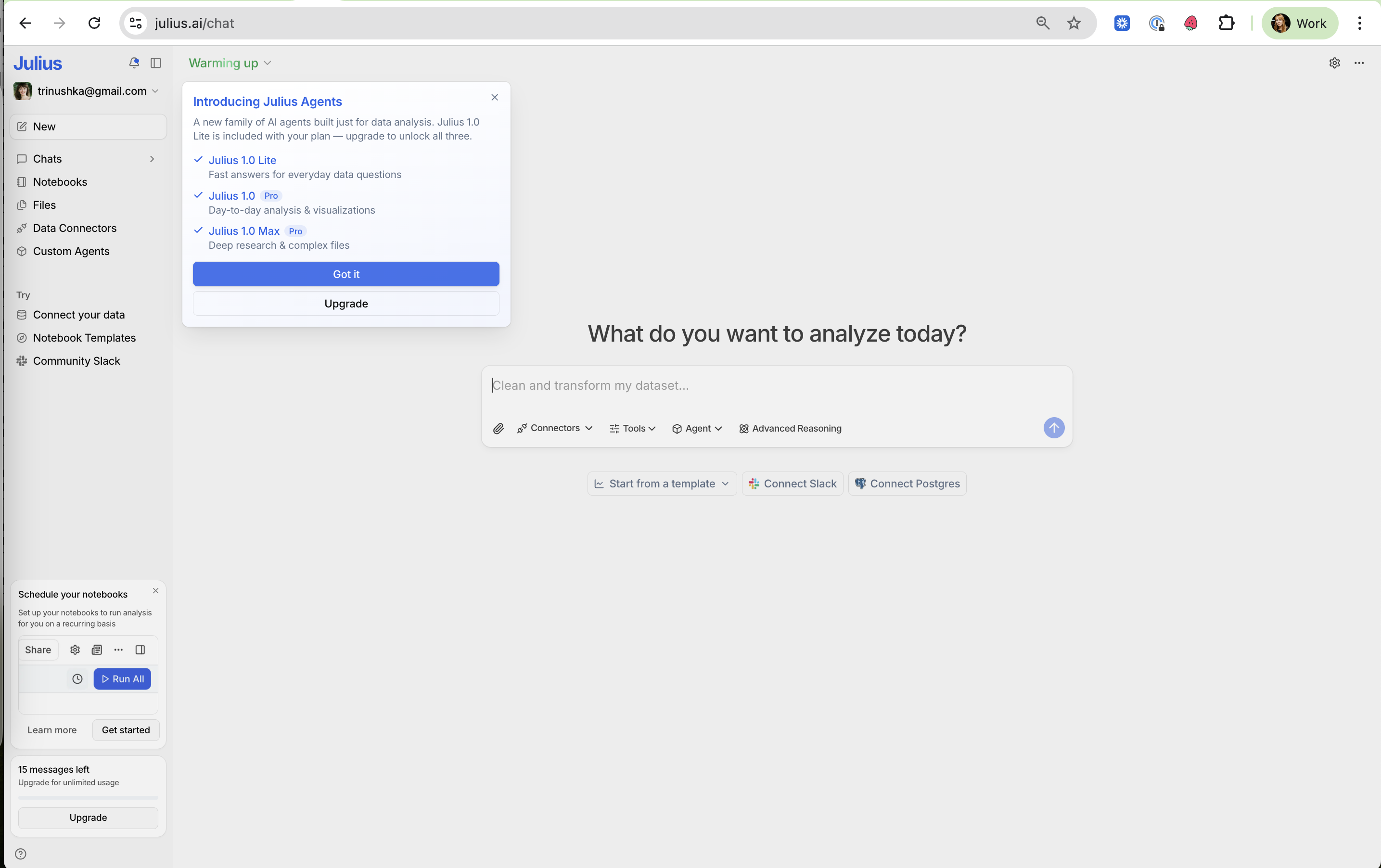
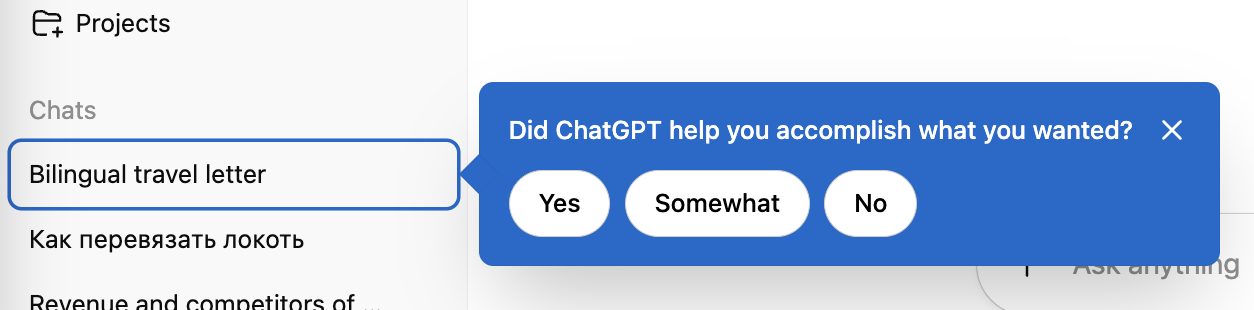
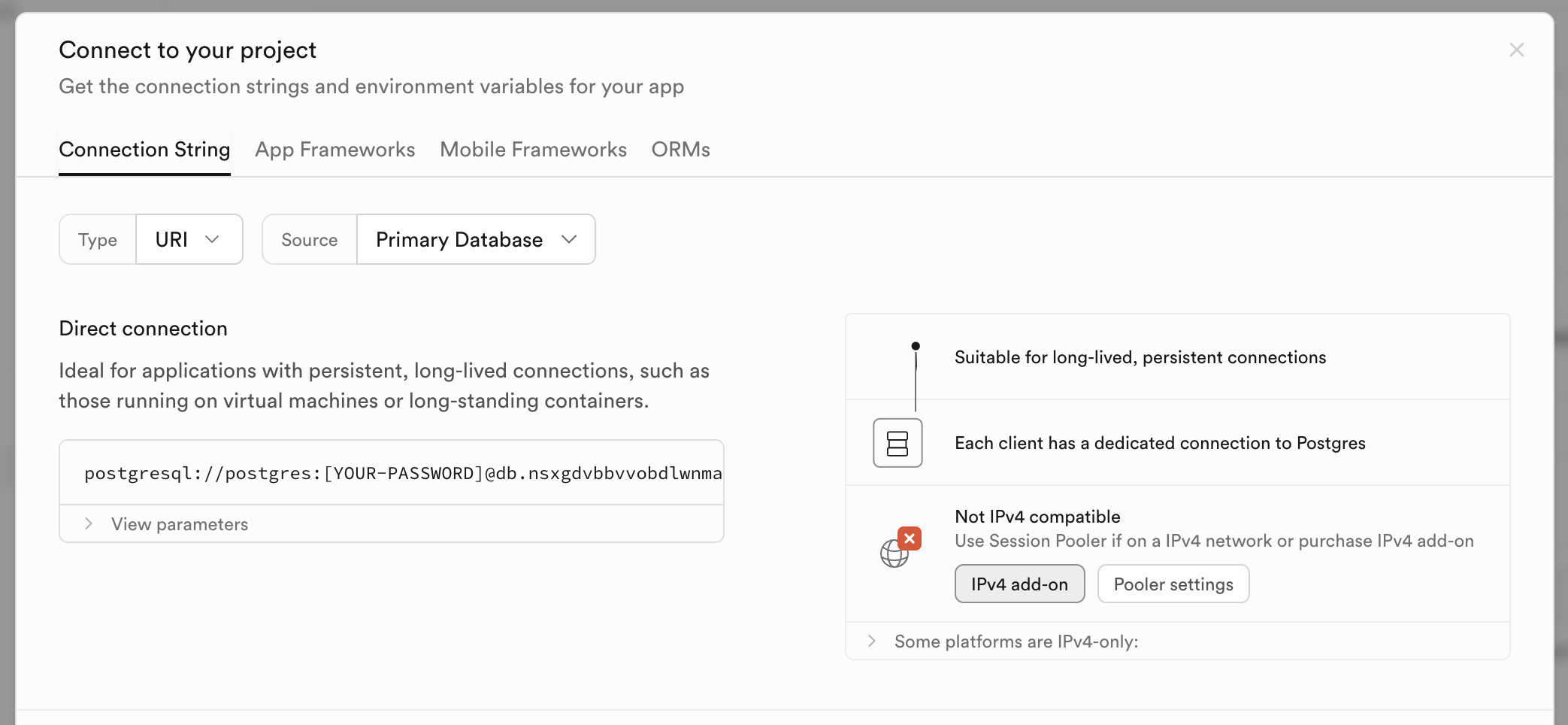
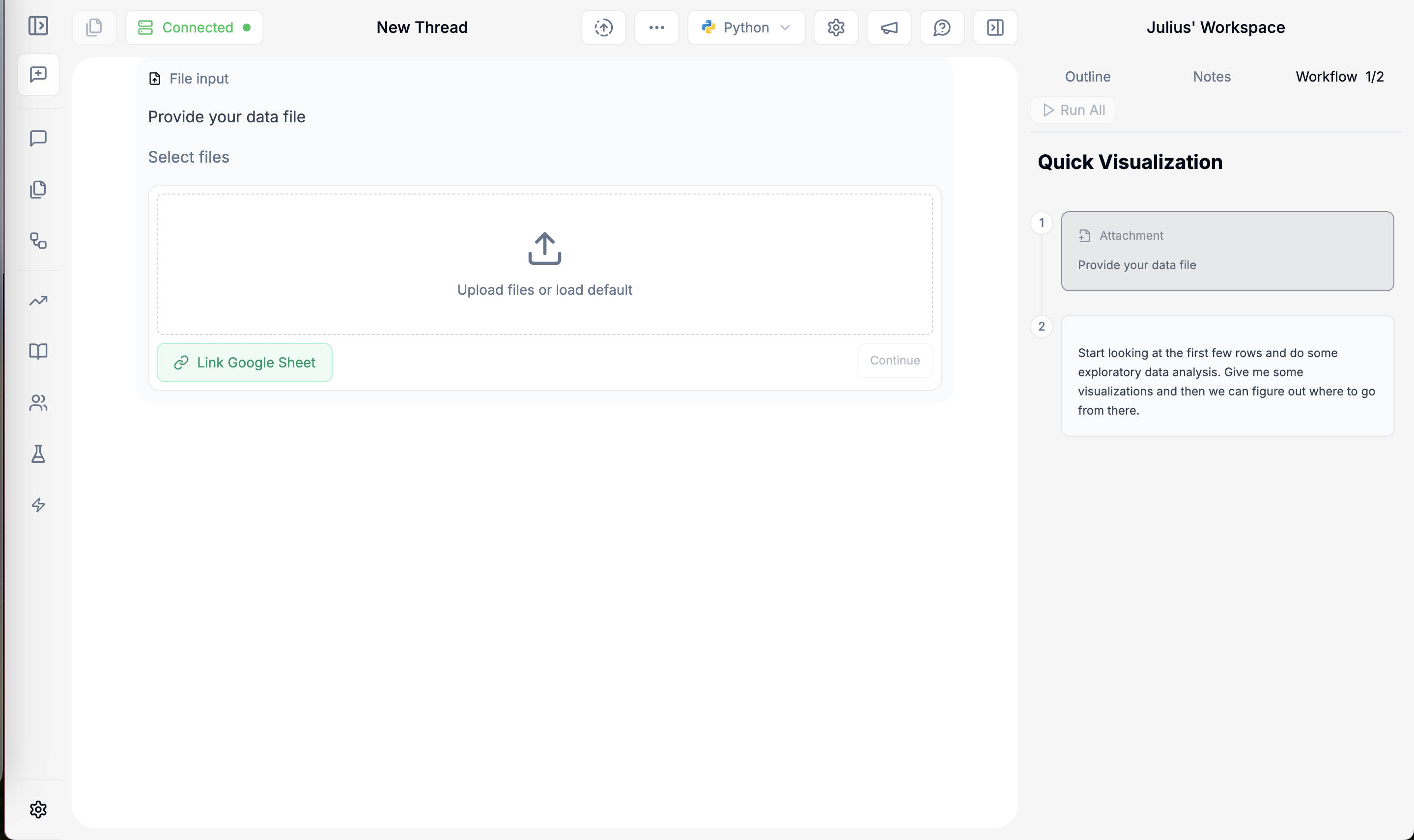
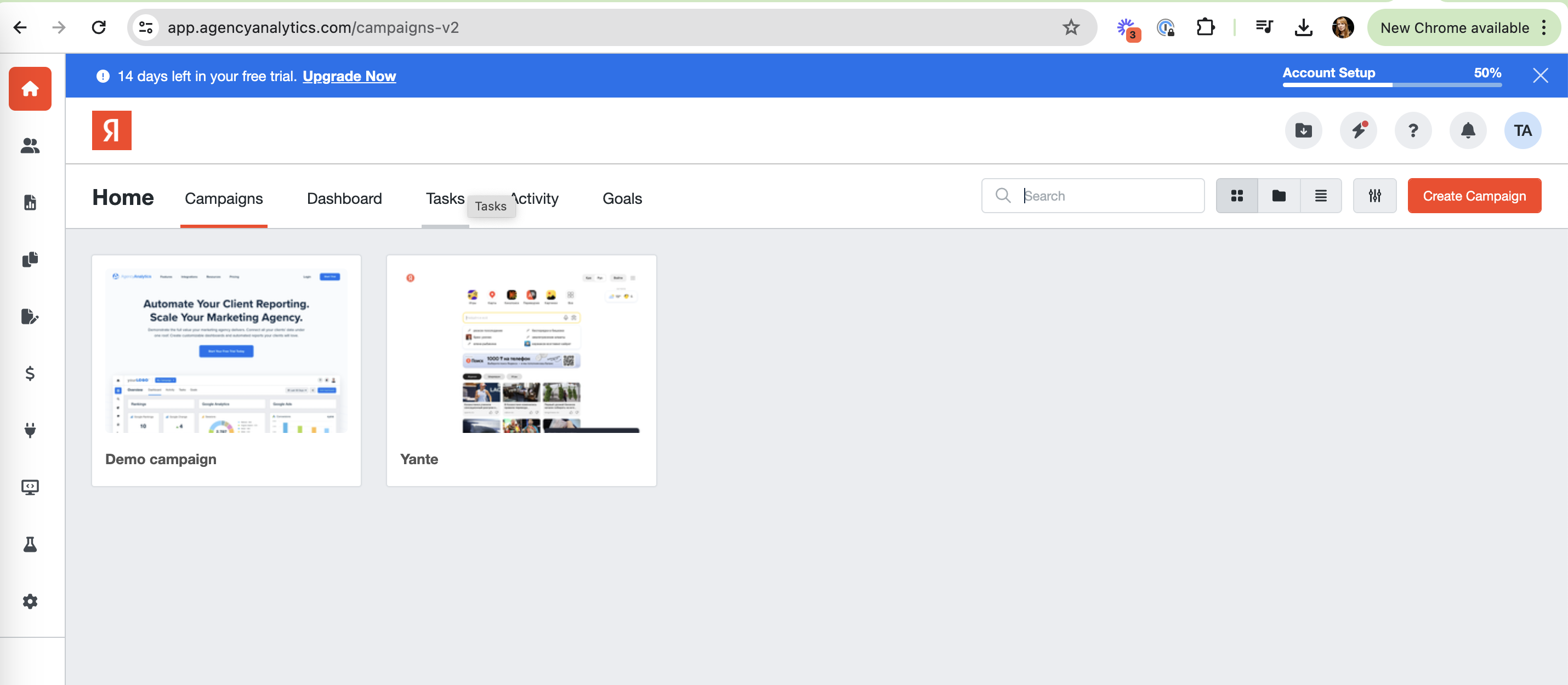
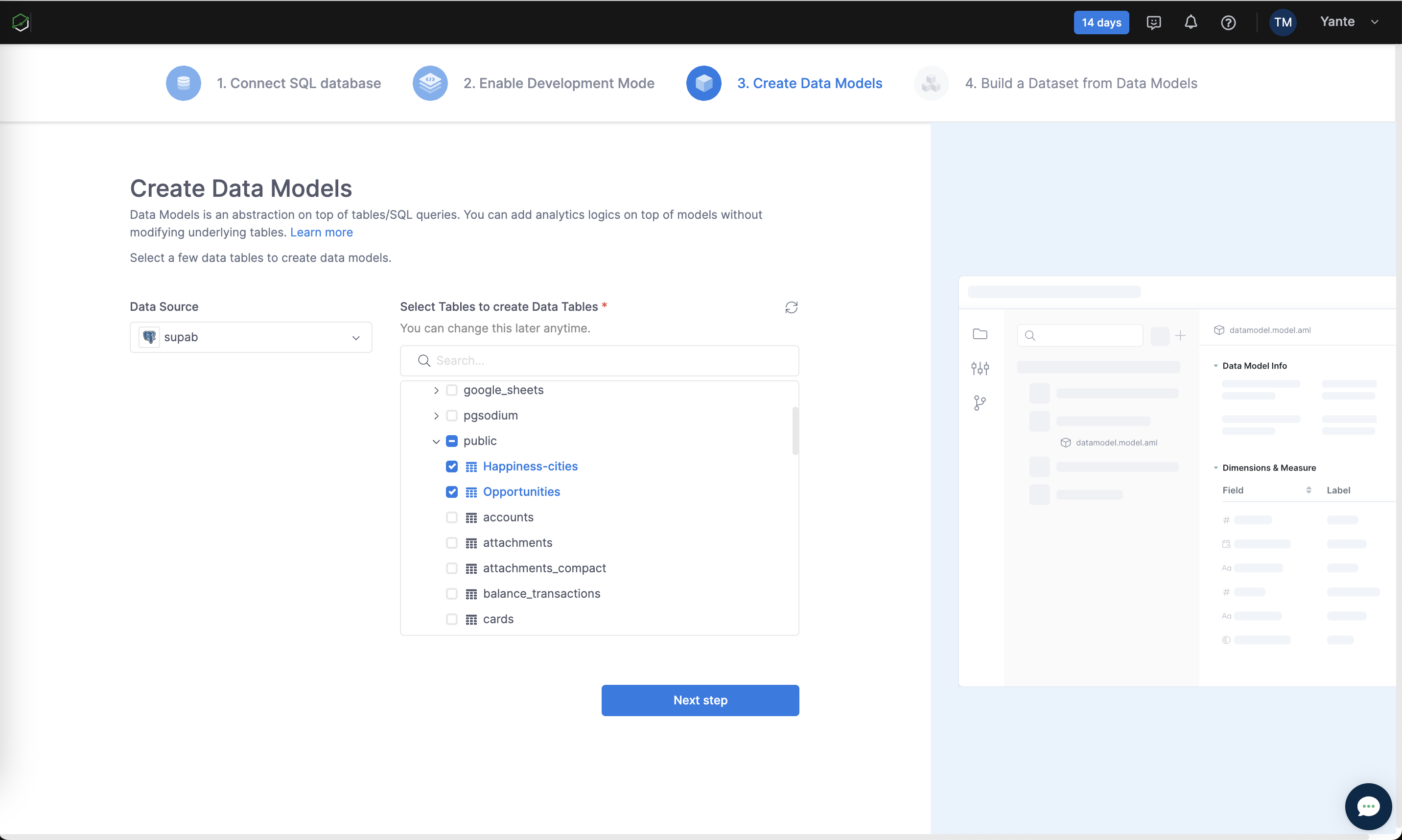
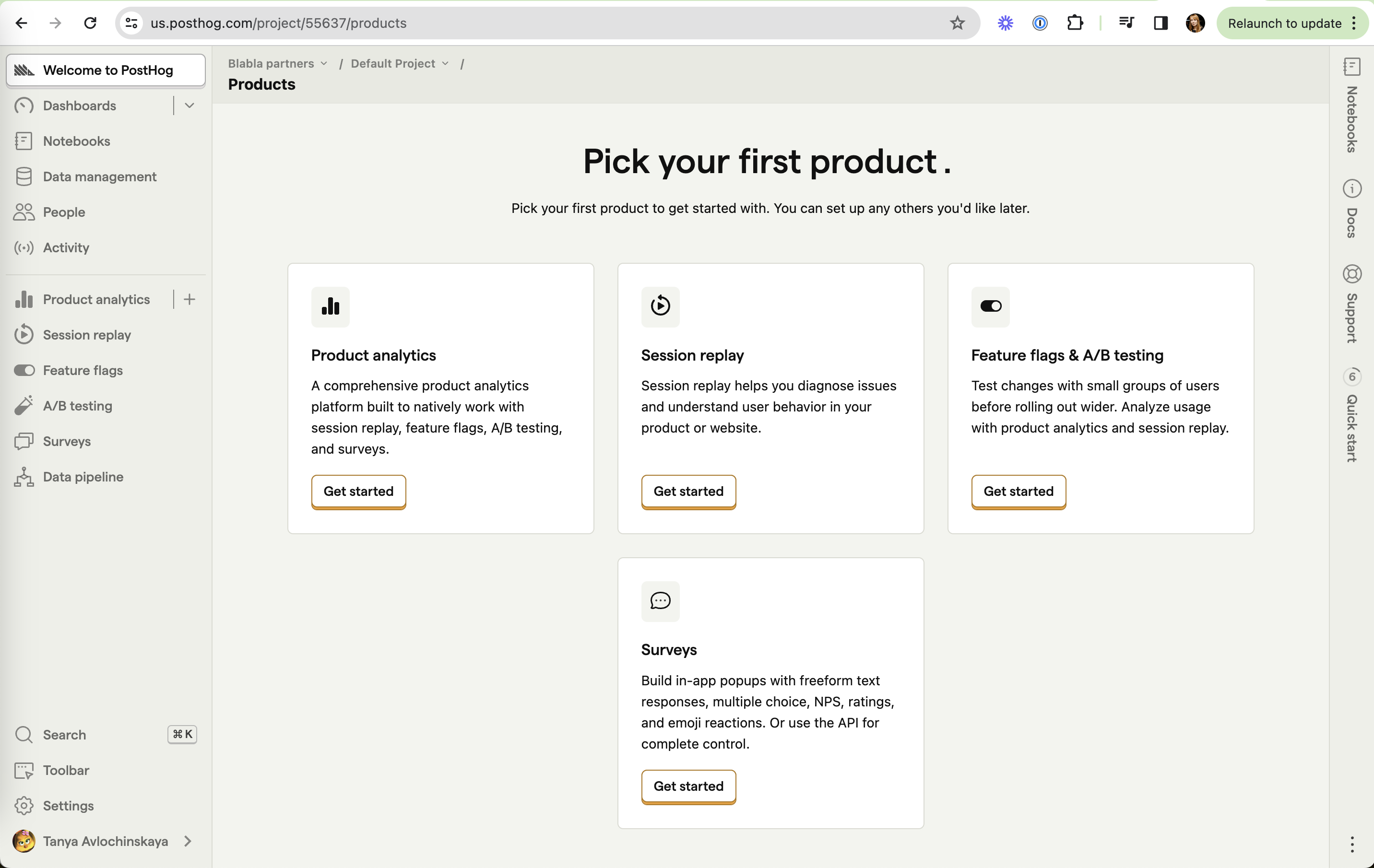
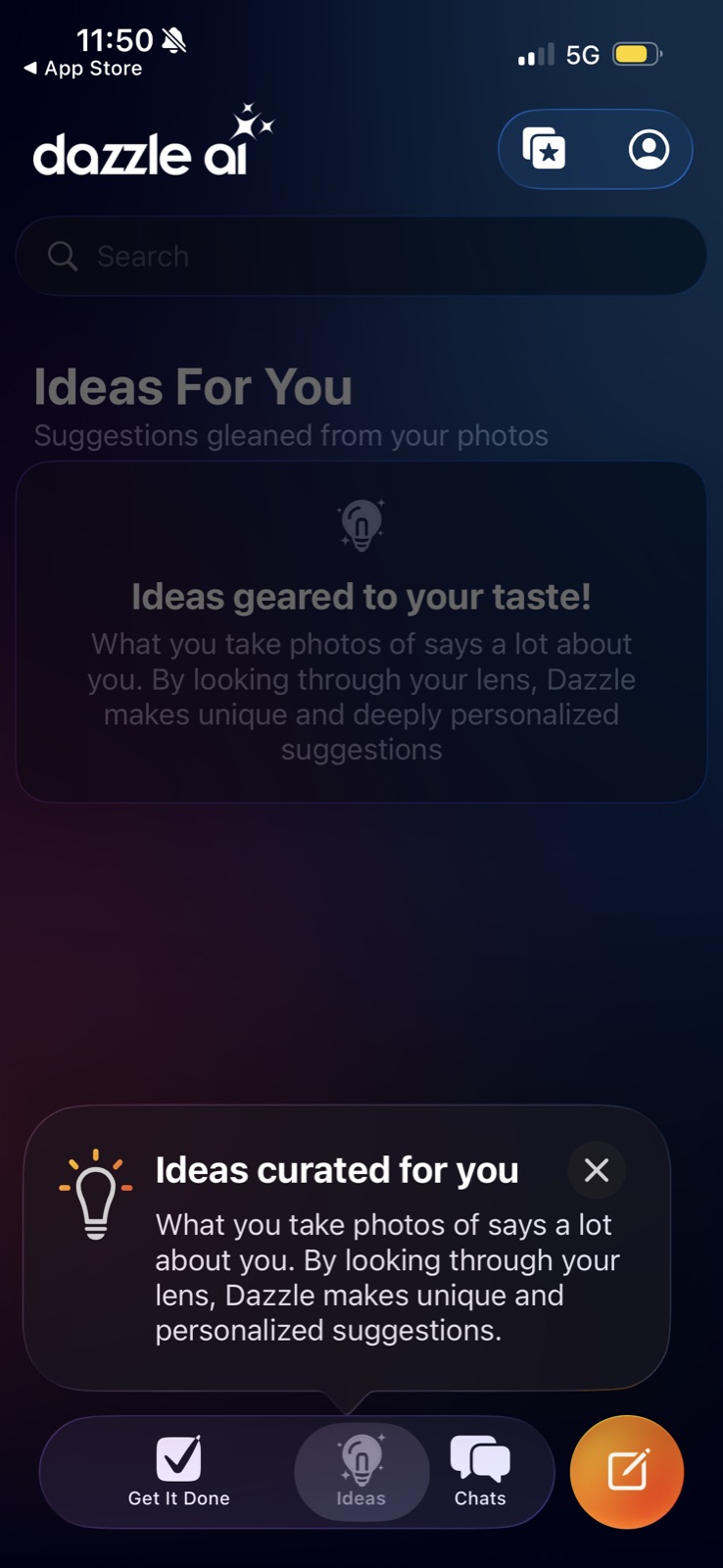
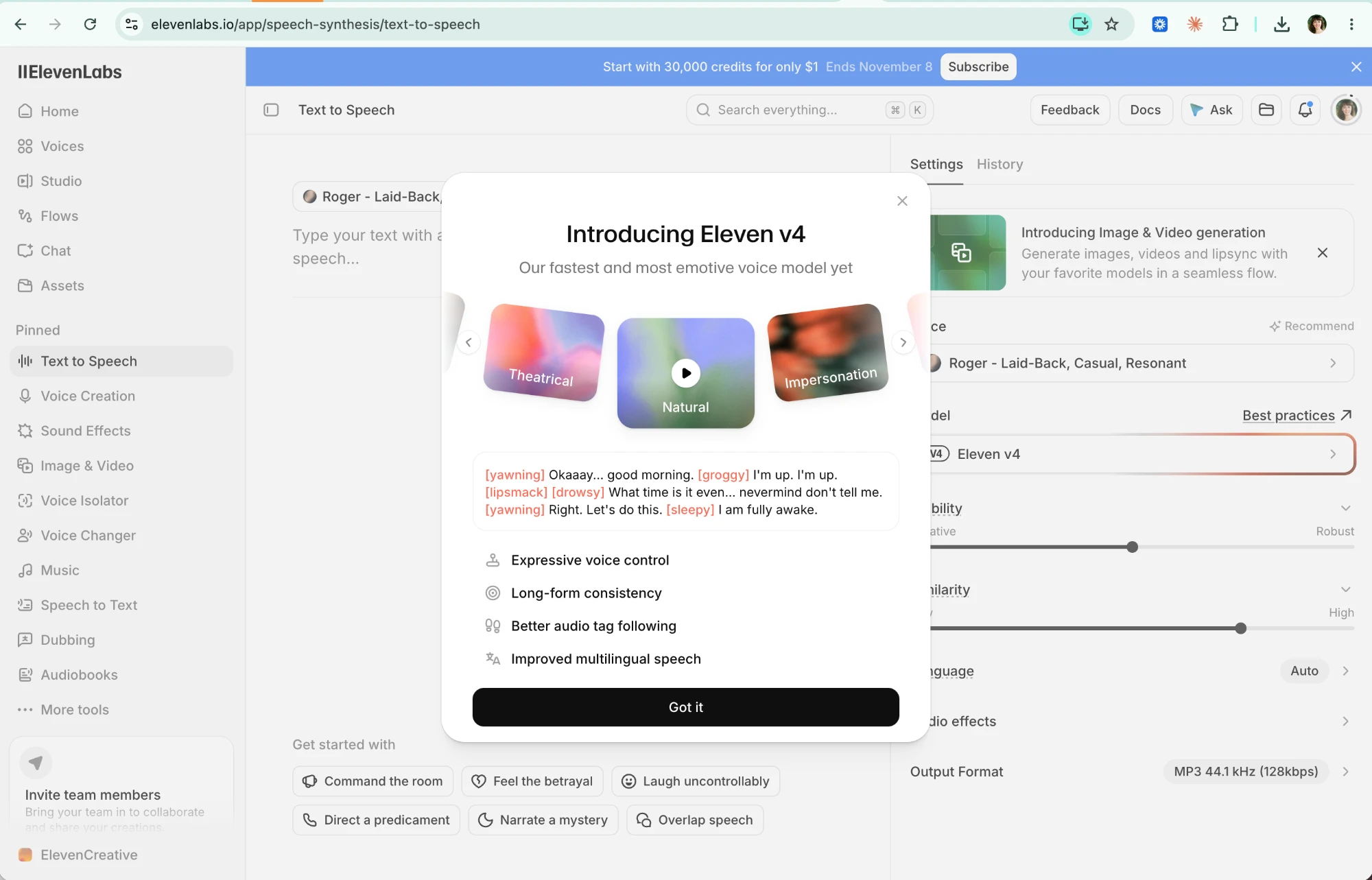
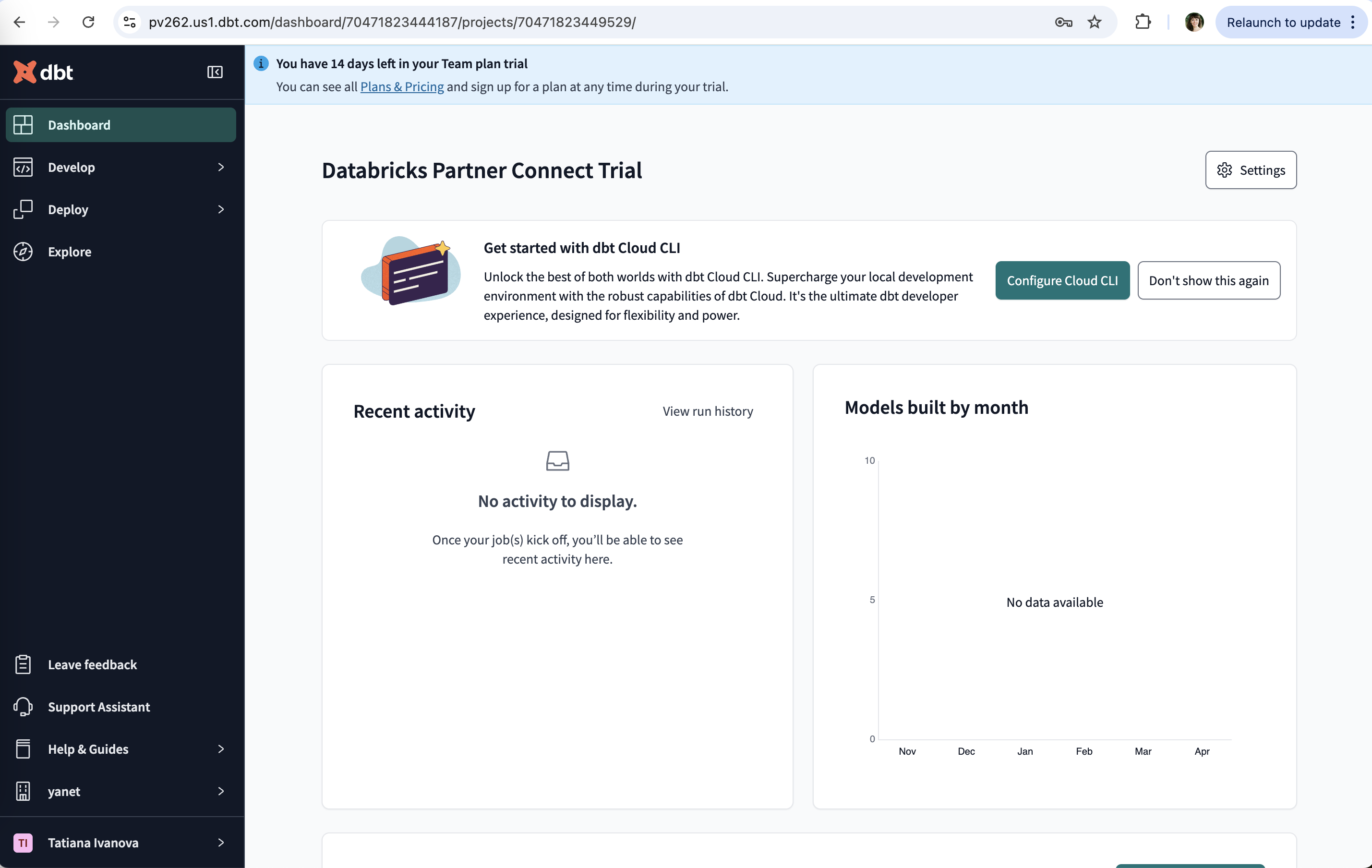
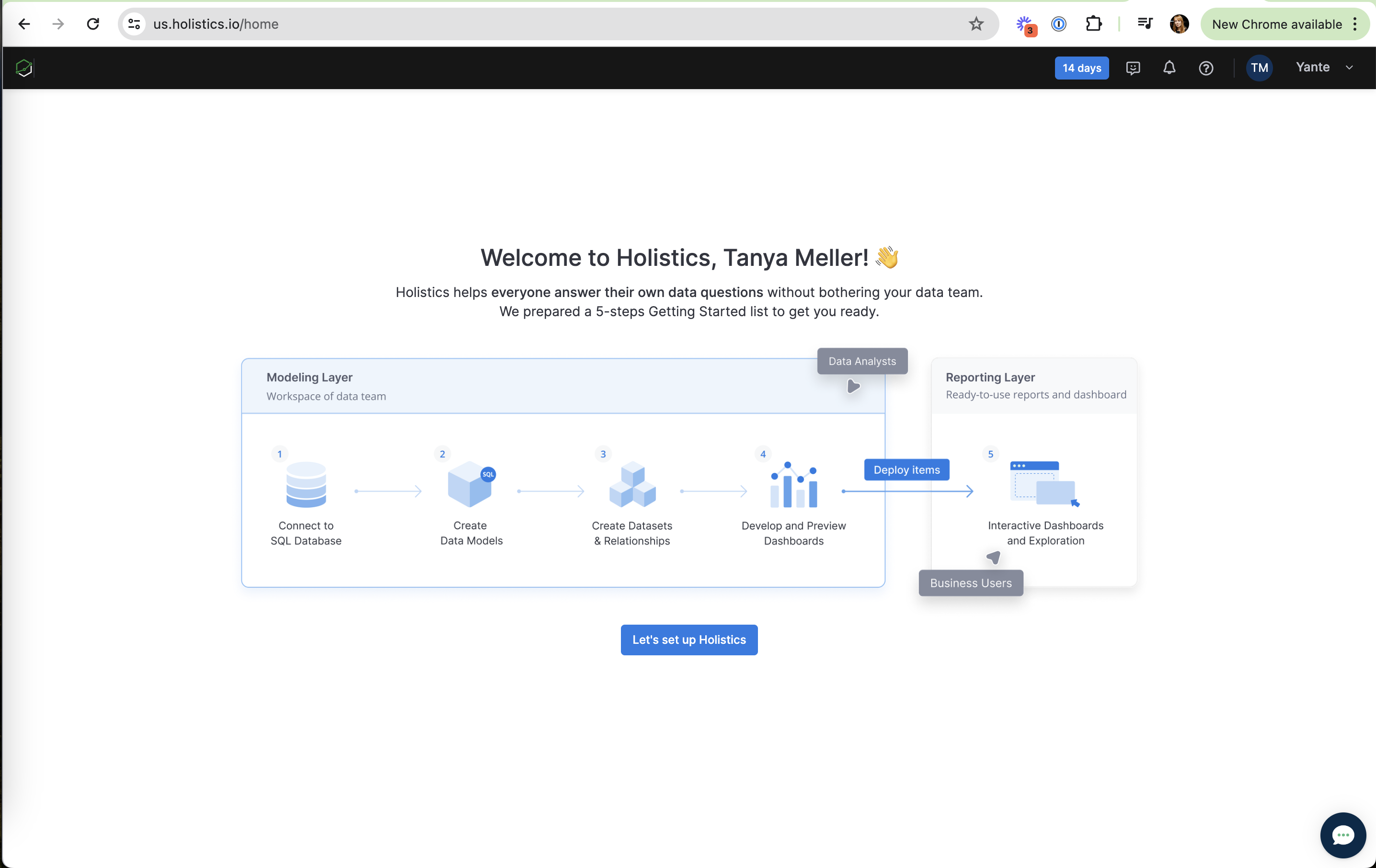
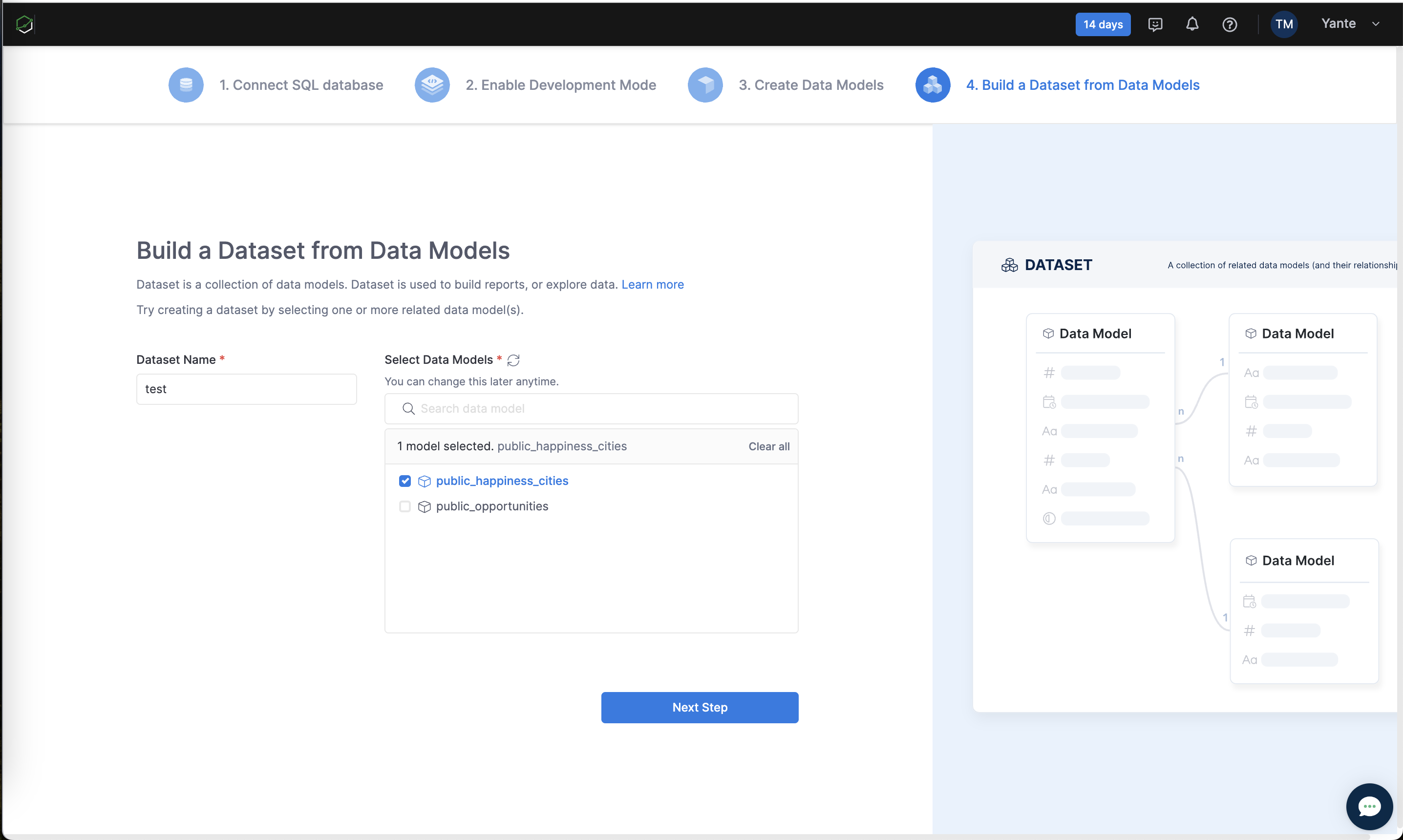
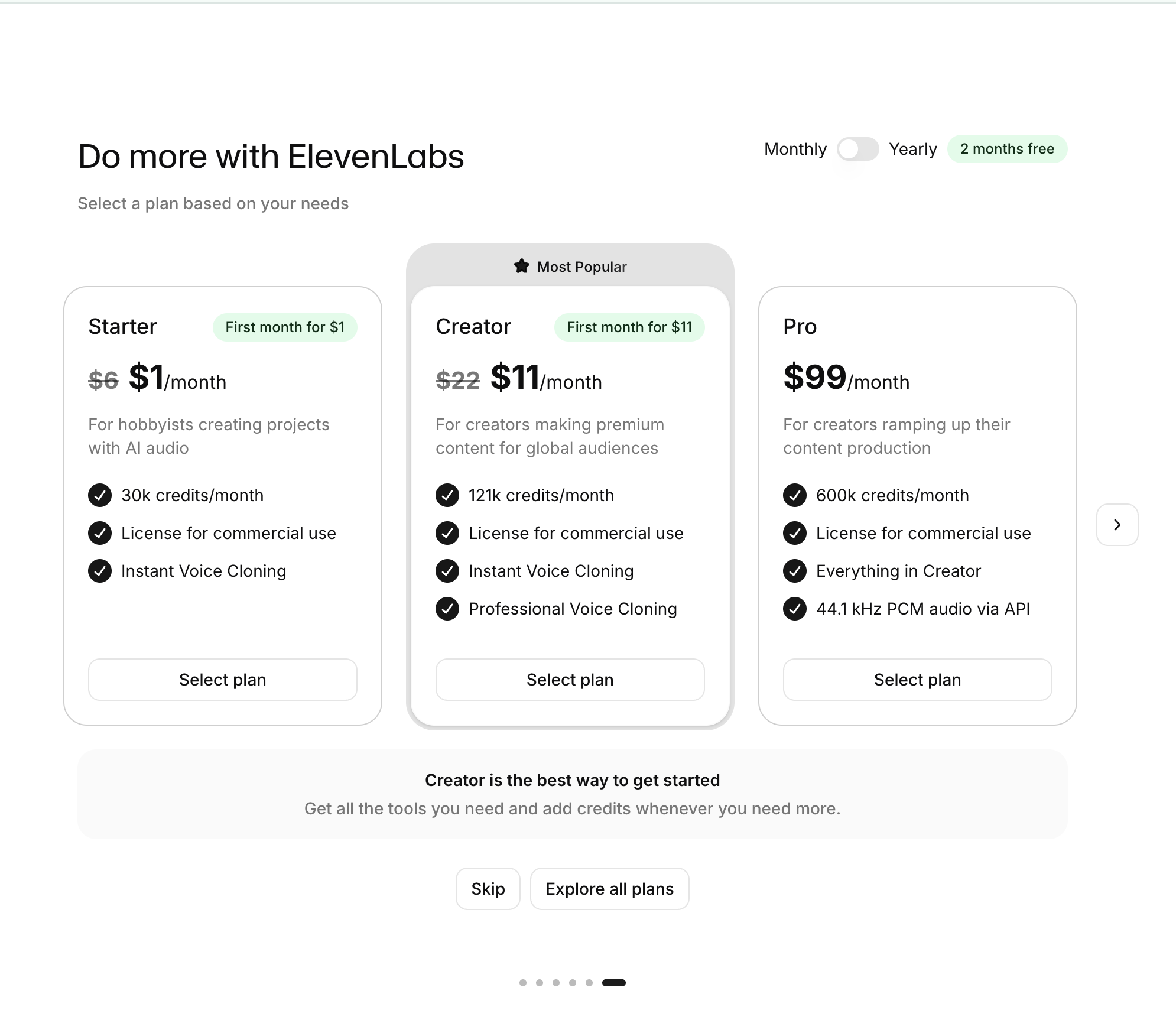
beehiiv: Tiny first win beehiiv (working) Tiny first win "Write a quick hello and send a preview to your inbox." ElevenLabs: "First month for $1" ElevenLabs (working) "First month for $1" A token price removes nearly all purchase hesitation. Julius: Starter chips under the input Julius (working) Starter chips under the input Template, Slack and Postgres shortcuts help users who arrive without a dataset. ChatGPT: Outcome question ChatGPT (working) Outcome question "Did ChatGPT help you accomplish what you wanted?" measures success, not satisfaction. Supabase: Moment of need Supabase (working) Moment of need The string users came for is right there, so the upsell meets an active task. Julius: Sample data option Julius (working) Sample data option "Upload files or load default" lets you try the workflow with no data of your own. AgencyAnalytics: Demo campaign pre-made AgencyAnalytics (working) Demo campaign pre-made A ready "Demo campaign" next to your own means the page is never empty. Holistics: Pick a few, not all Holistics (working) Pick a few, not all Checkbox tree with only two tables ticked keeps the first model small. PostHog: One product to start PostHog (working) One product to start "You can set up any others later" lowers the cost of choosing. Dazzle AI: Empty after full access Dazzle AI (not working) Empty after full access After handing over the whole library, the first feed shows no ideas, only a promise of them. Dazzle AI: Blank chat, no starters Dazzle AI (not working) Blank chat, no starters "Ask Dazzle anything!" with no example prompts leaves people to guess what it is good at. ElevenLabs: "Got it" just closes ElevenLabs (not working) "Got it" just closes The only CTA dismisses instead of "Try v4 now", wasting the moment of interest. Databricks: First nudge is the CLI Databricks (not working) First nudge is the CLI The hero card pushes Cloud CLI setup with "Supercharge" copy instead of running a first model on the Databricks data you just connected. Databricks: Empty chart, no next step Databricks (not working) Empty chart, no next step "No data available" on an empty axis takes space without telling you how to fill it. Holistics: Four of five steps are data-team work Holistics (not working) Four of five steps are data-team work A business user who signs up has nothing to do until the modeling layer is built. Holistics: Third abstraction before a chart Holistics (not working) Third abstraction before a chart Data source, model, dataset: the user still hasn't seen a single chart.