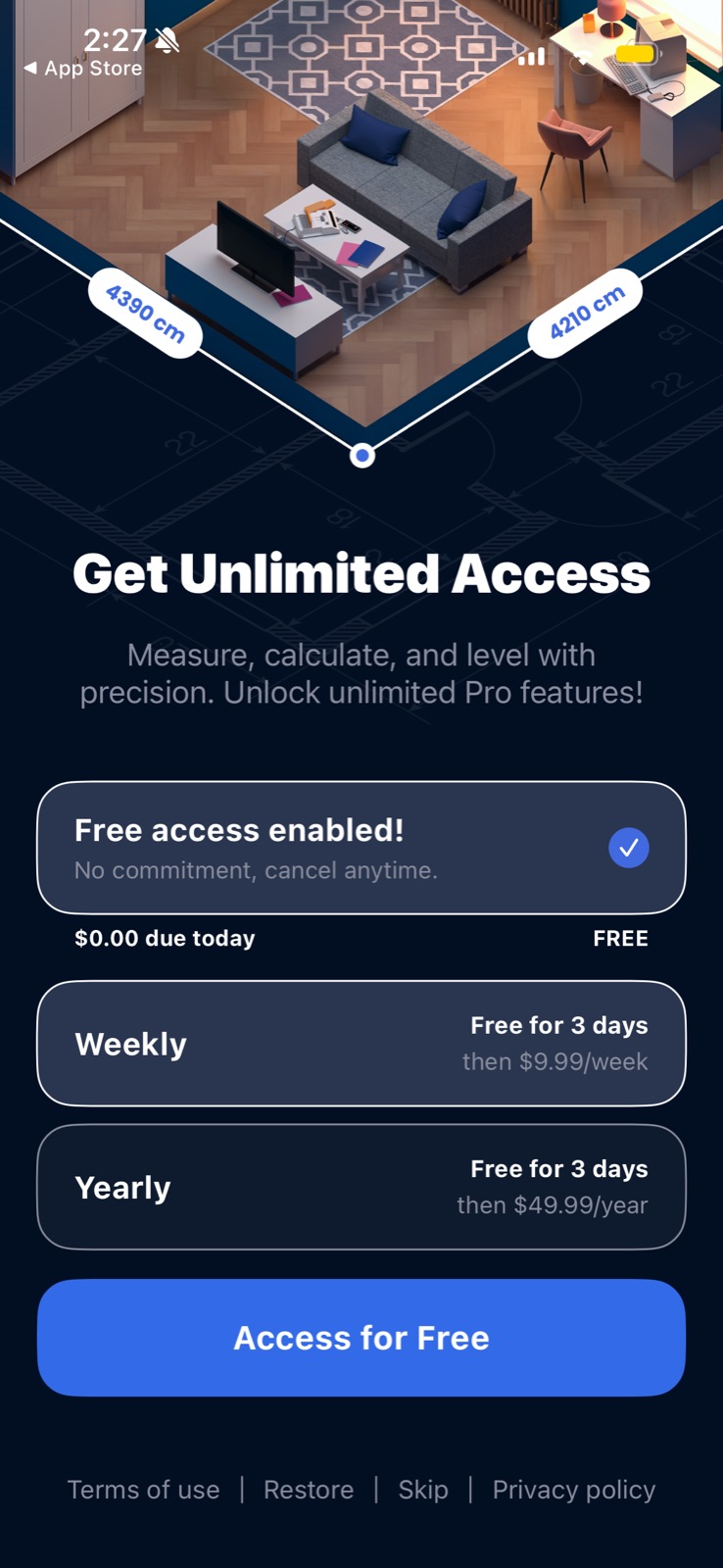
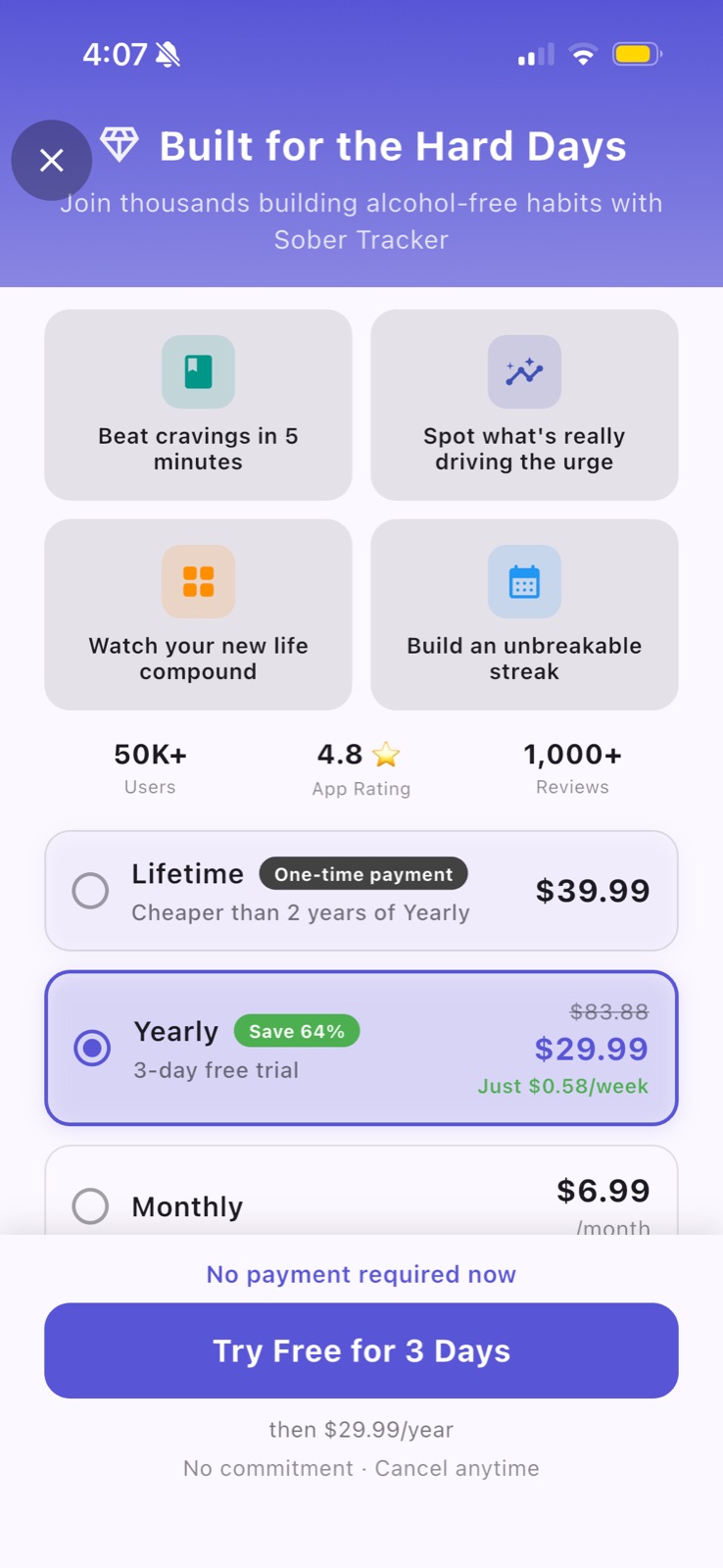
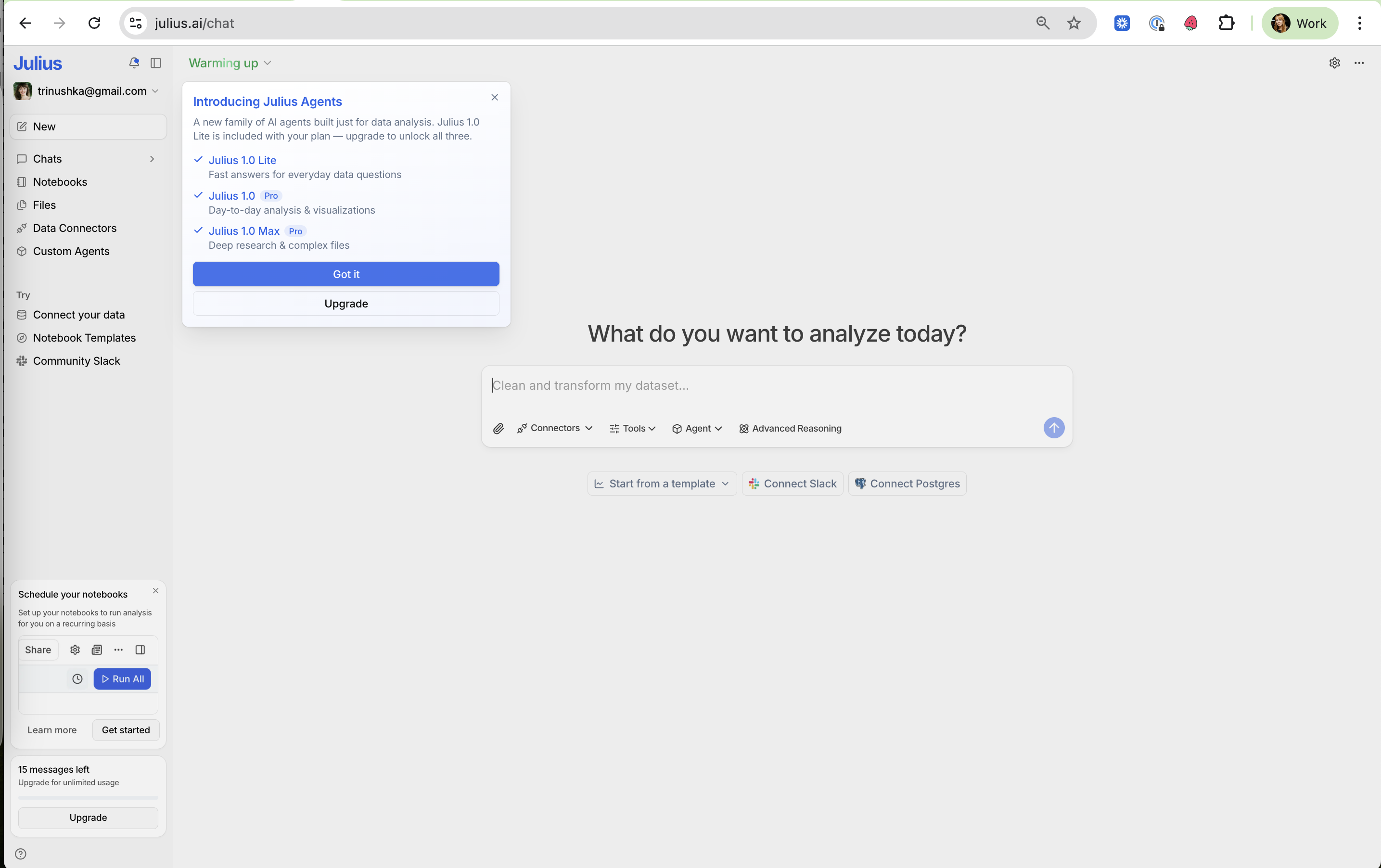
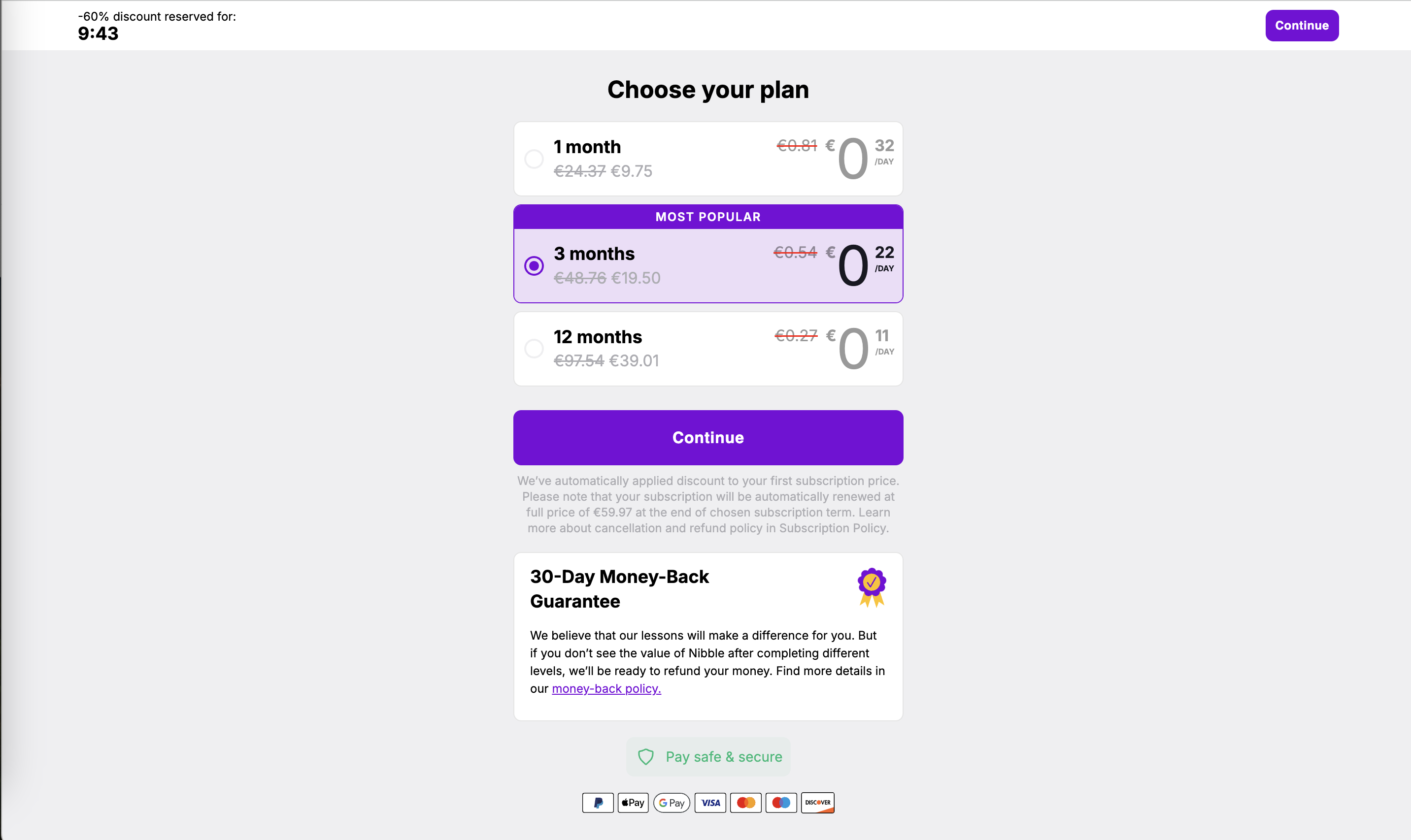
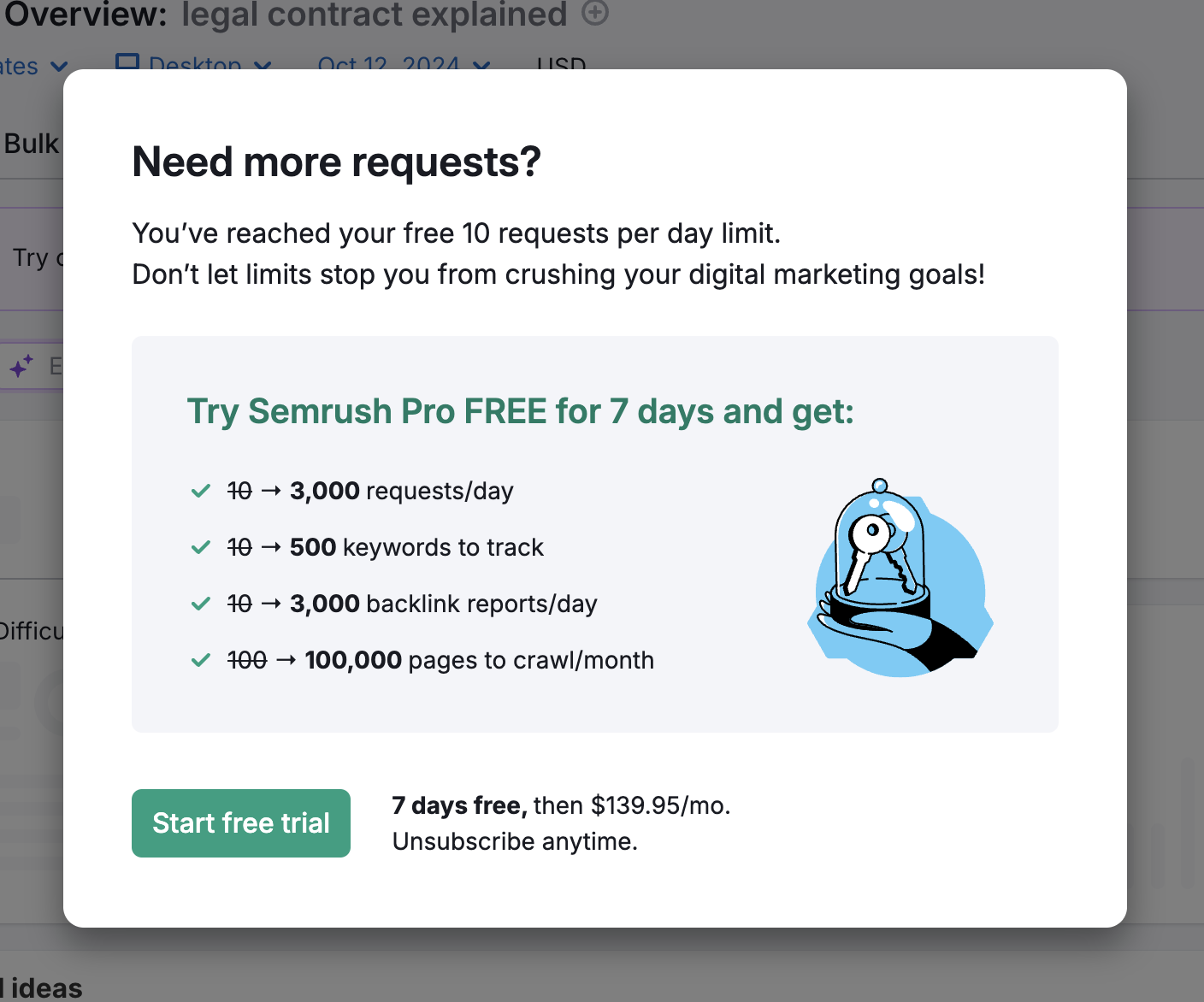
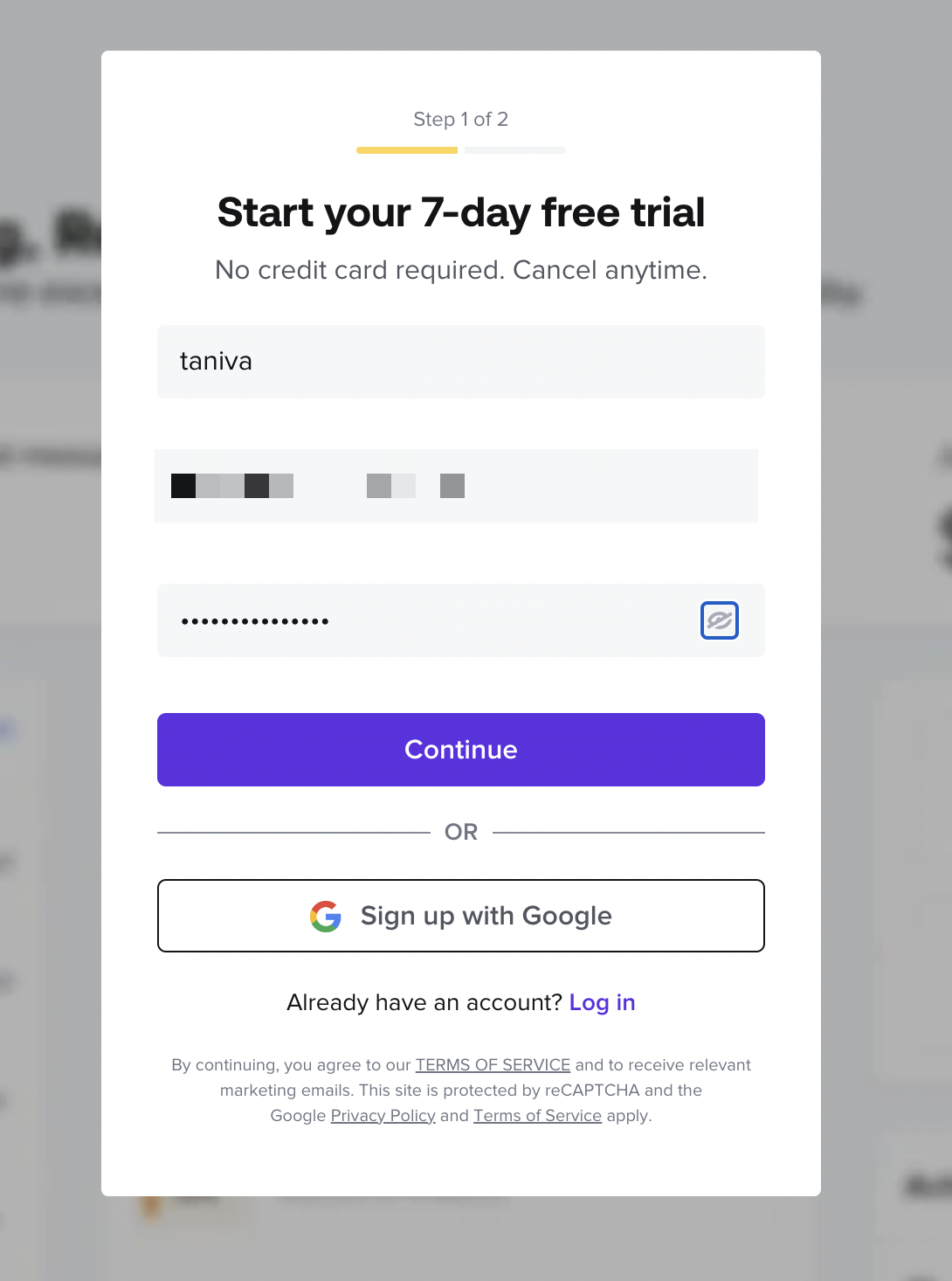
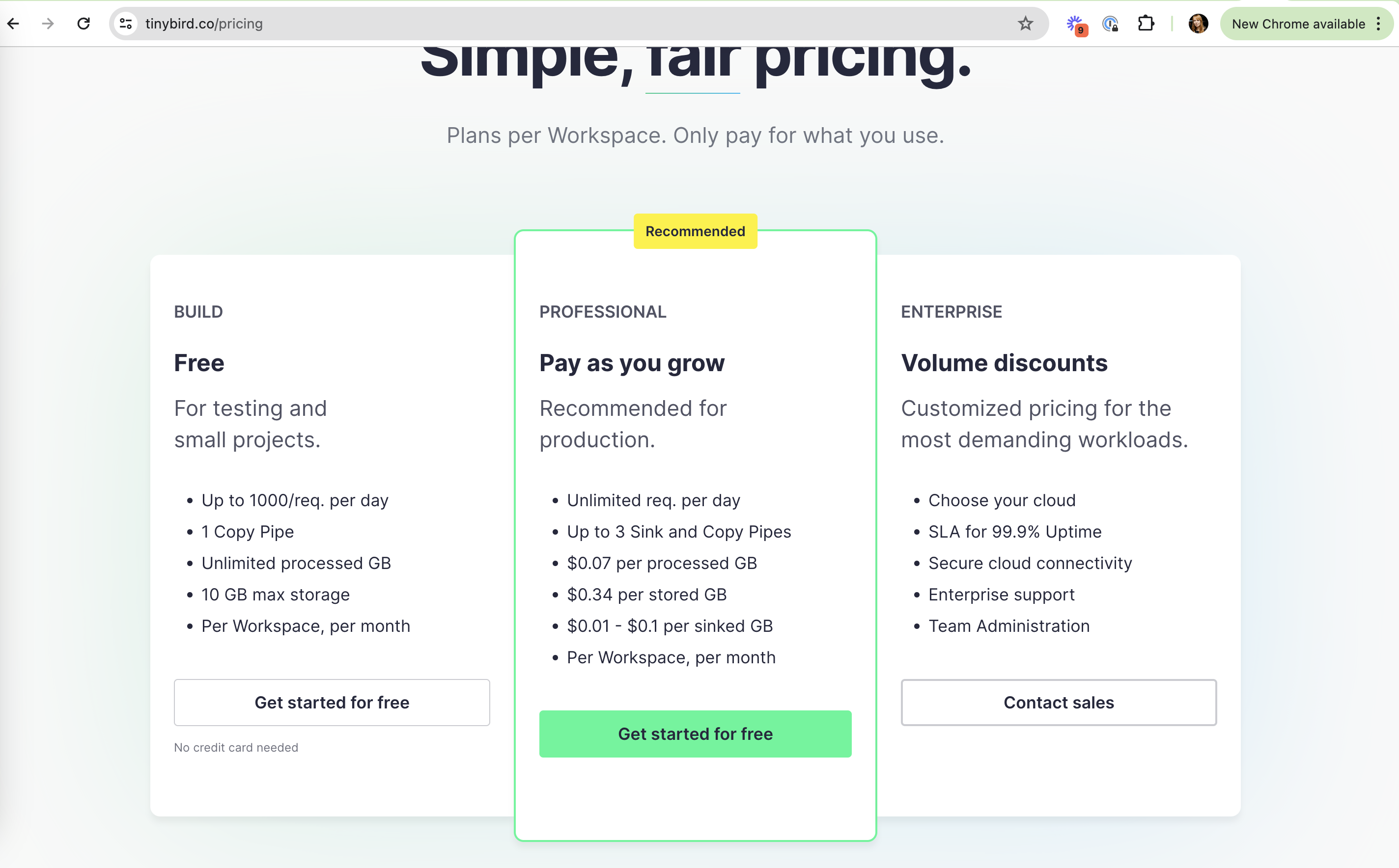
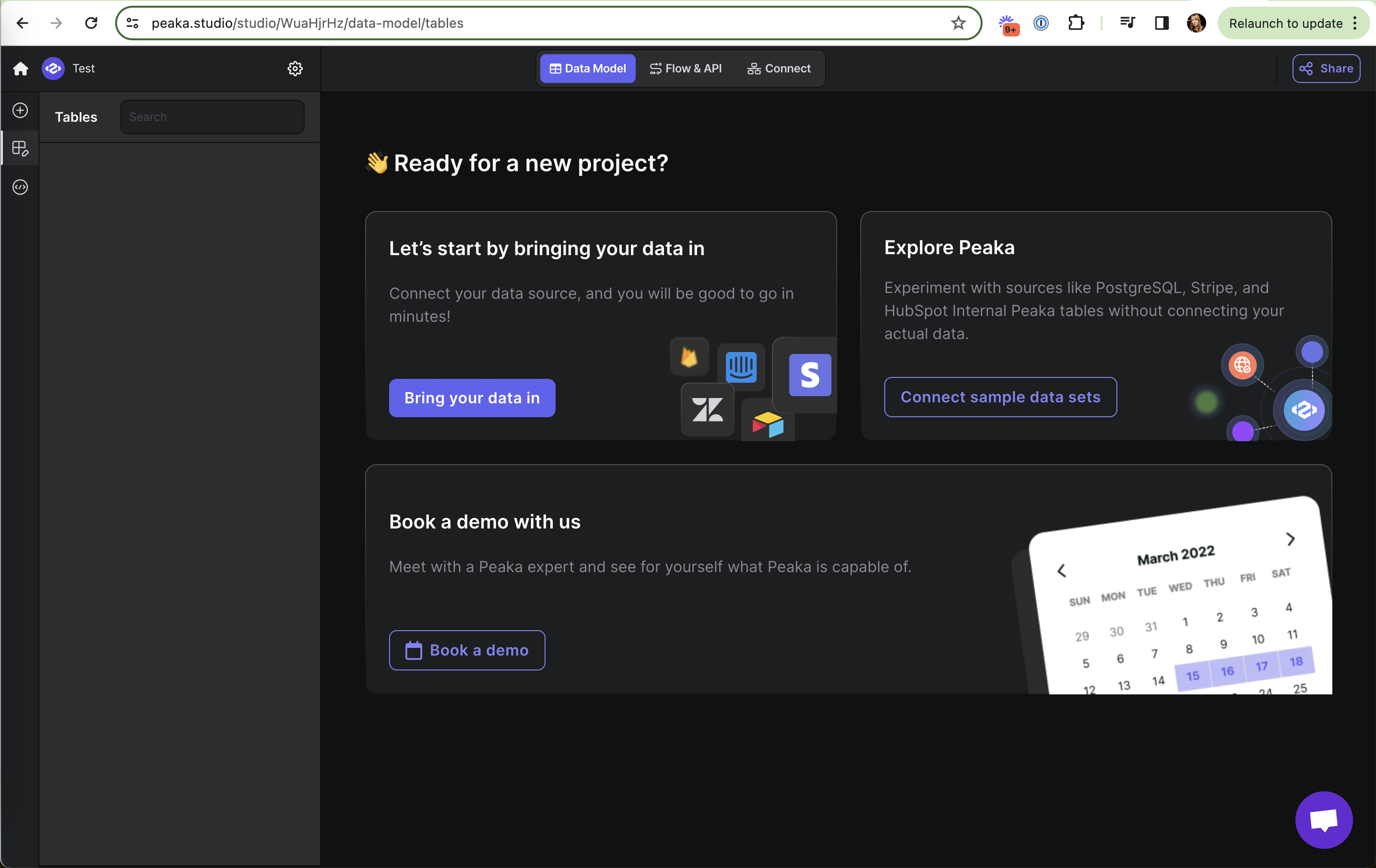
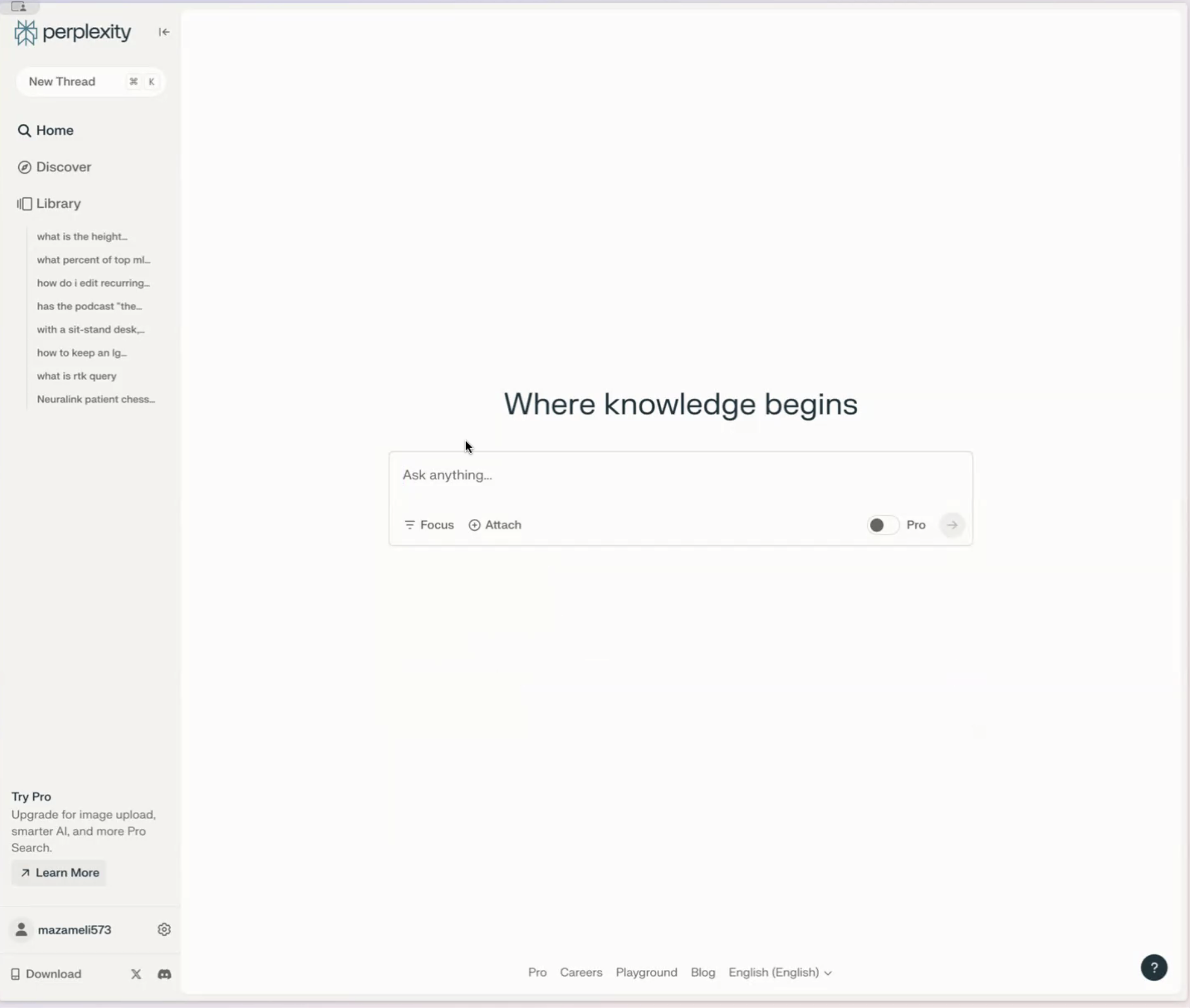
Risk reversal makes the first commitment cheap or undoable: "$0.00 due today", "No credit card required. Cancel anytime", a 30-day money-back guarantee, a trial as the only CTA. On this site it also covers try-before-you-buy and low-pressure asks, such as making "Got it" the primary button on a launch announcement.
Research supports it from two sides. Moorthy and Srinivasan (1995) showed in an economic model that a money-back guarantee can credibly signal quality, because a seller of a poor product would pay for more returns. A large field experiment by Miller, Sahni and Strulov-Shlain (2023) at a European newspaper found that many readers anticipate their own forgetfulness: auto-renewing trials put off a share of potential subscribers, and two years later the newspaper had about 10% fewer subscribers among readers offered auto-renewal than among those offered trials that ended on their own. Baymard also finds that an unsatisfactory returns policy is a common reason to abandon a purchase.
On paywalls, risk reversal only works if the terms are clear. The safety net is the selling point, so it should be stated next to the button, along with what happens when the trial ends.
How to use it
- State the cost today and the cost later right next to the CTA, for example "No payment now, then $29.99/year".
- If you can, offer a trial without a card, or remind people before the trial converts; say so on the paywall.
- Put the guarantee or cancellation policy beside the price, in one plain sentence, not in the terms.
Watch out
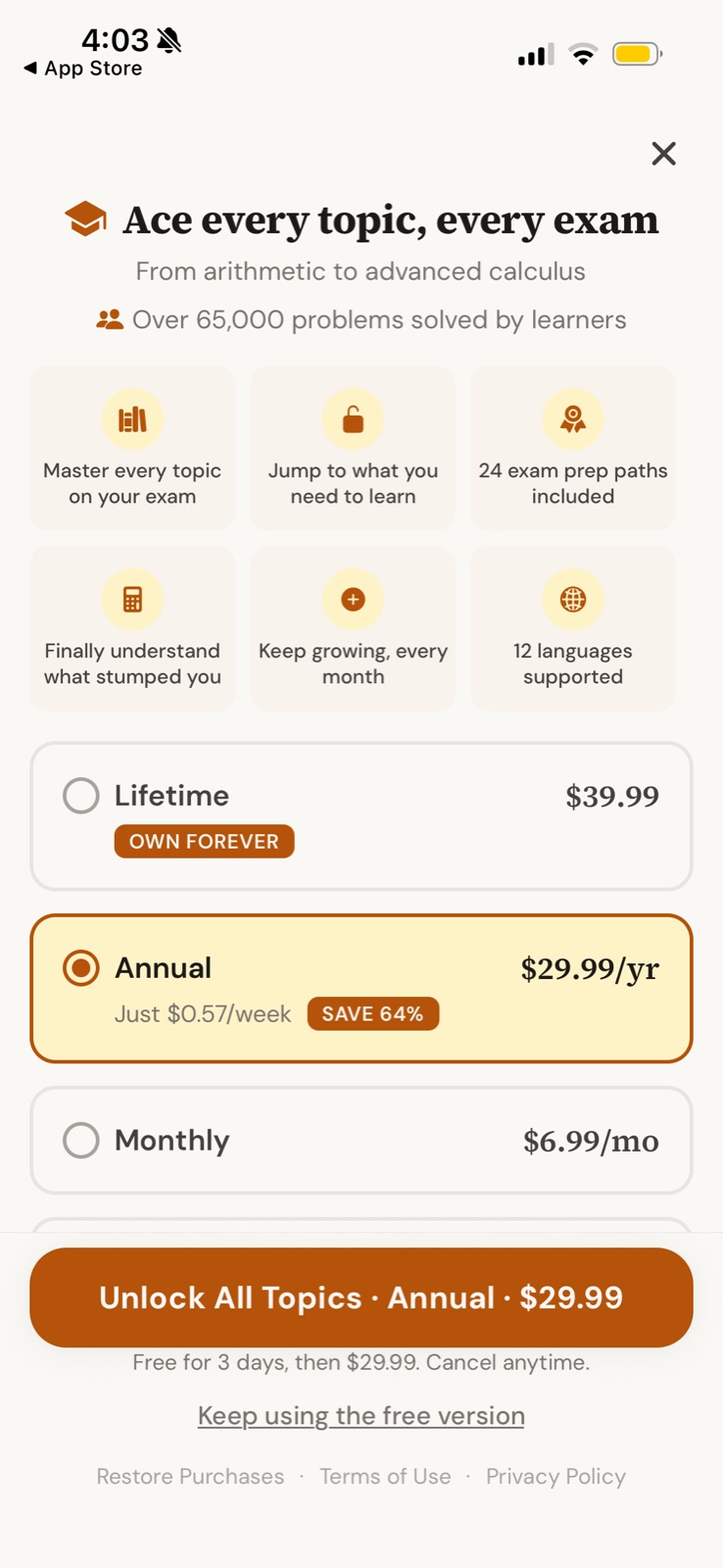
- A button that reads like a charge ("Annual $29.99") while the free trial is mentioned only below hides the reassurance and confuses people.
- A free trial designed to be forgotten (silent auto-renewal, hard cancellation) reverses the risk back onto the user and erodes trust once they notice.