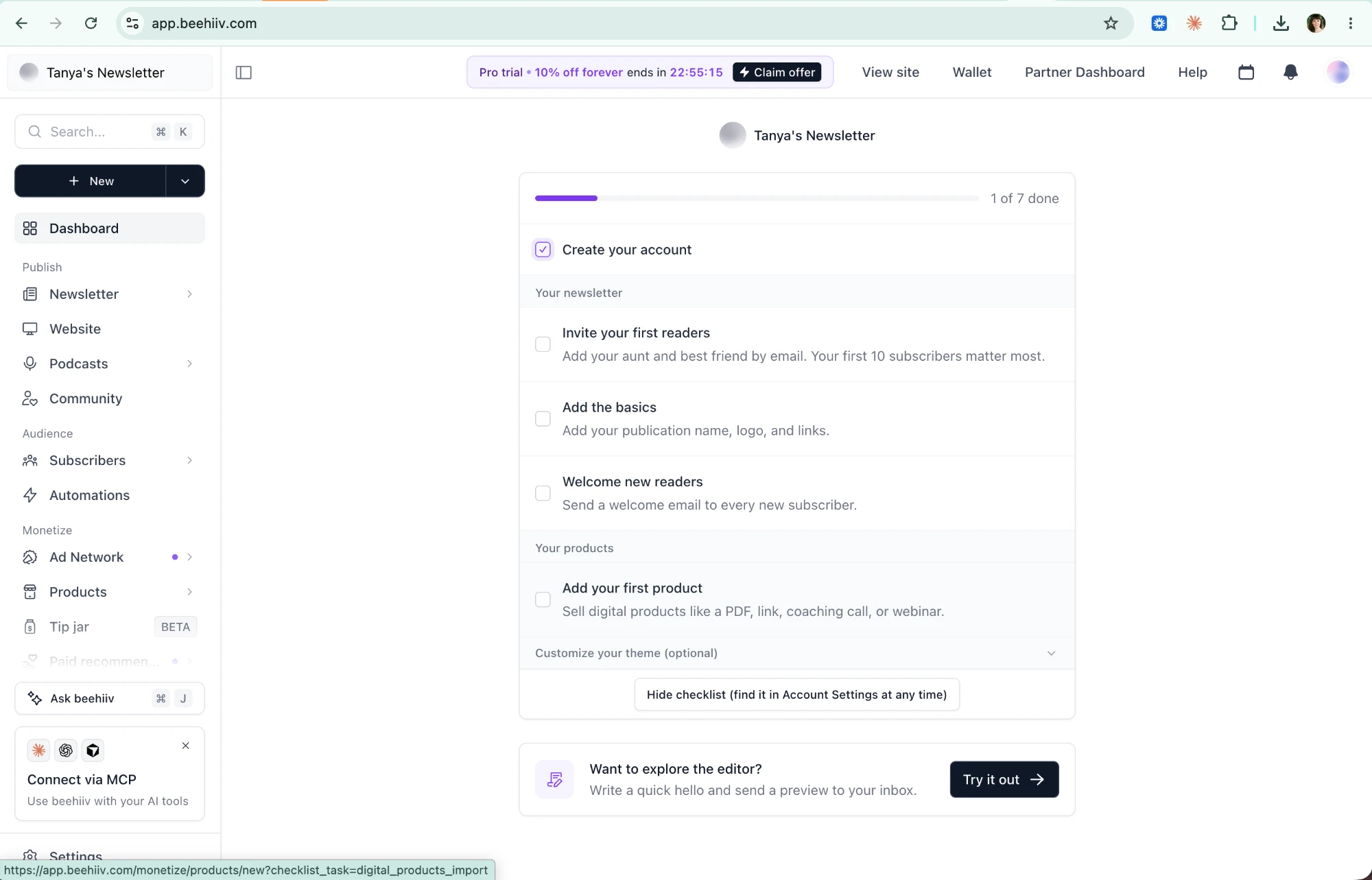
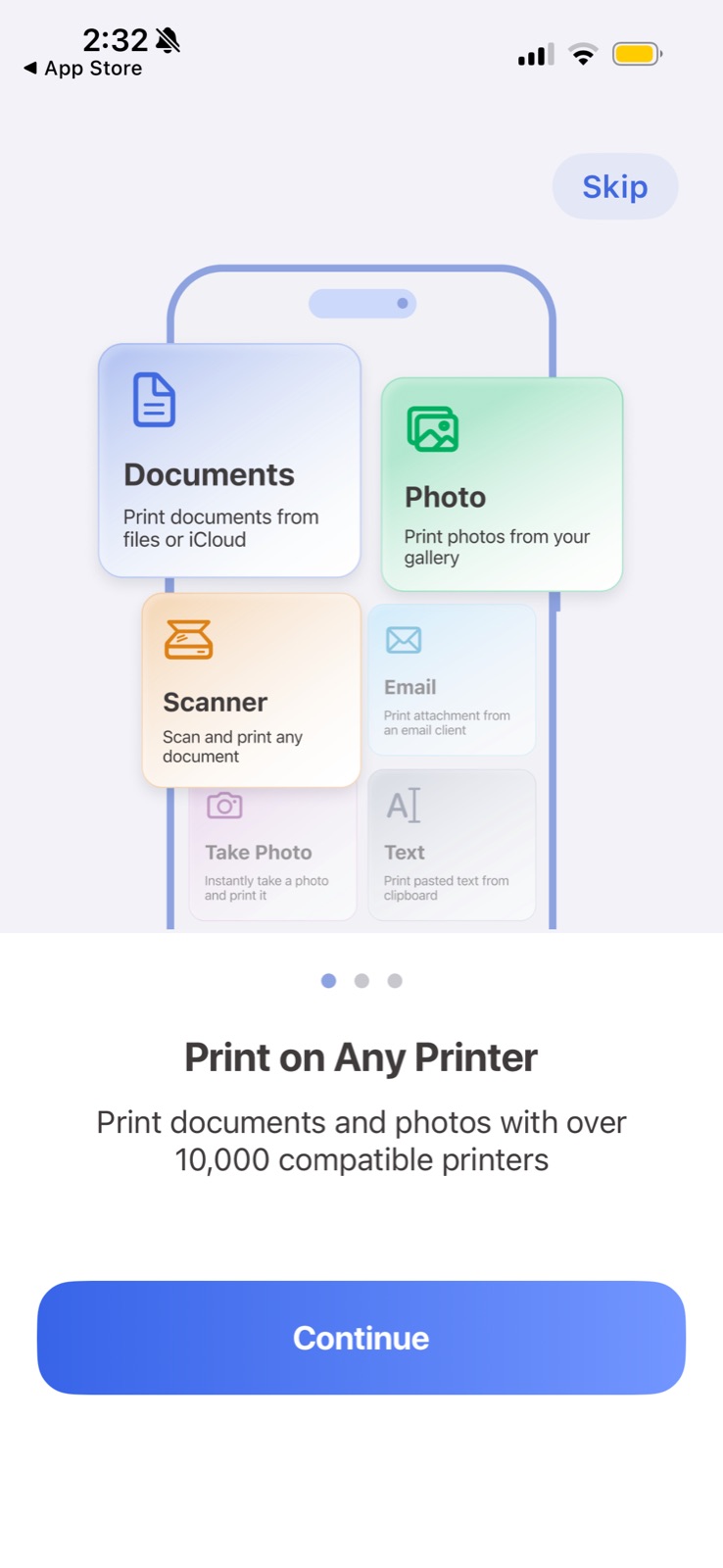
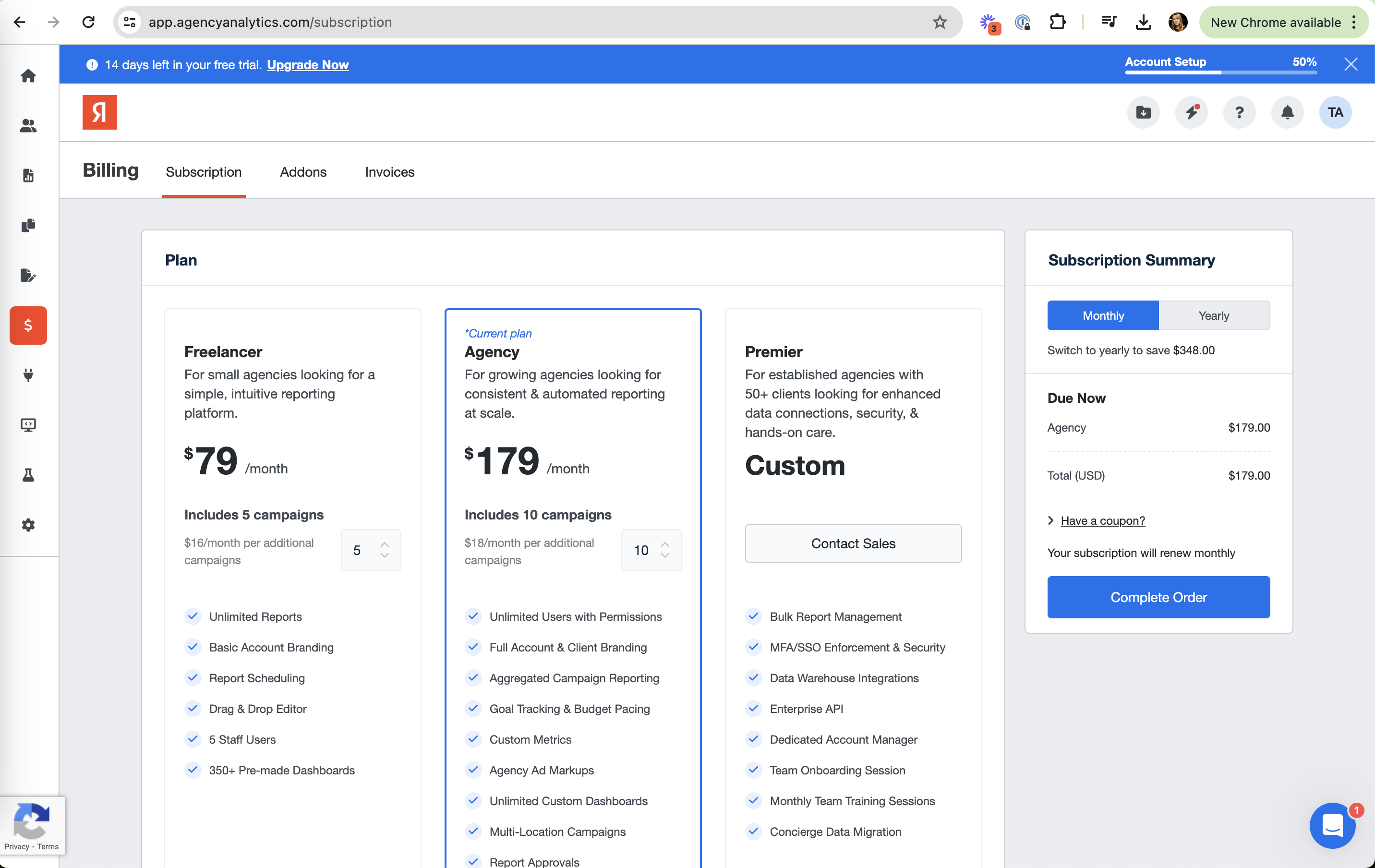
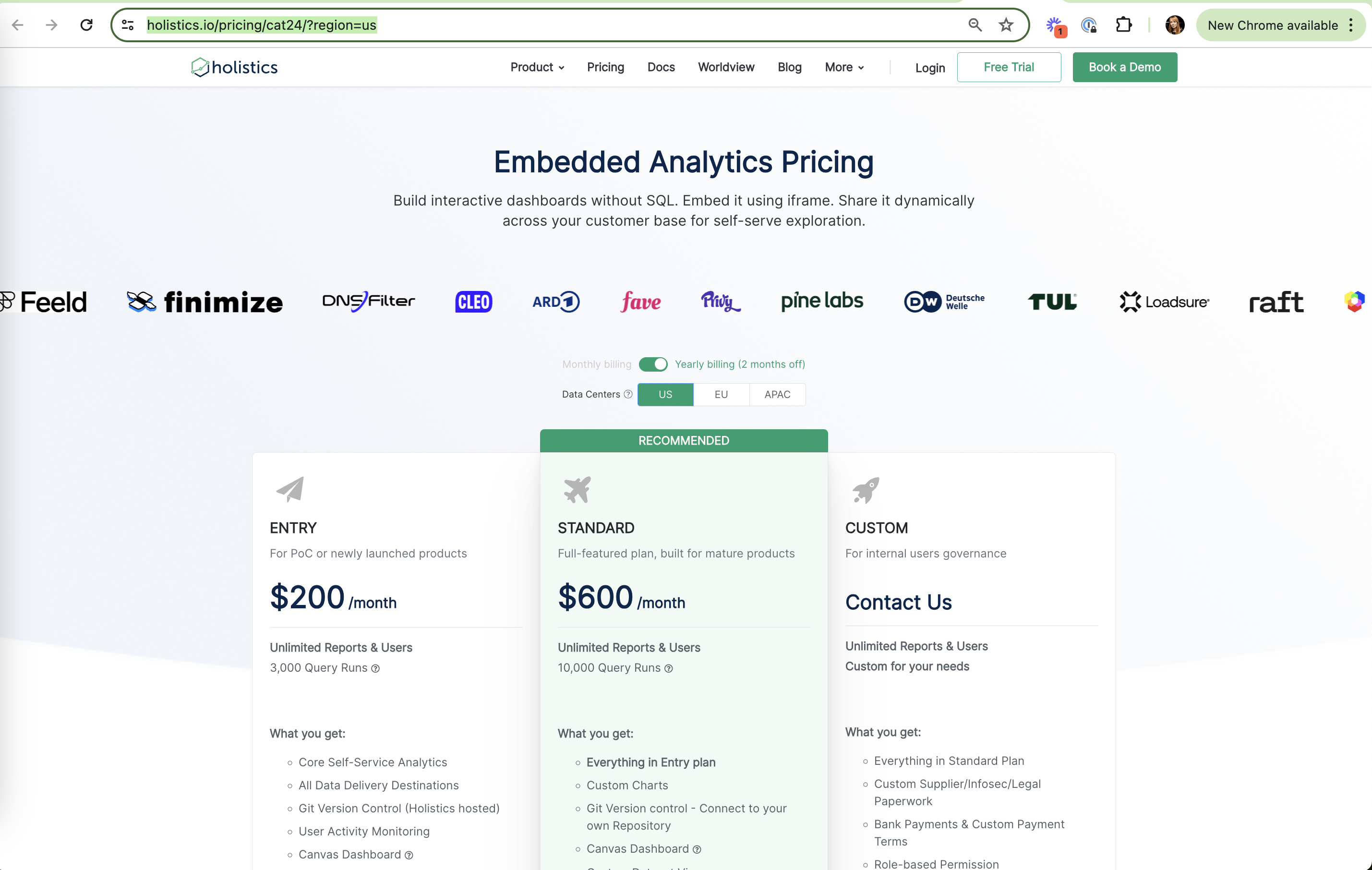
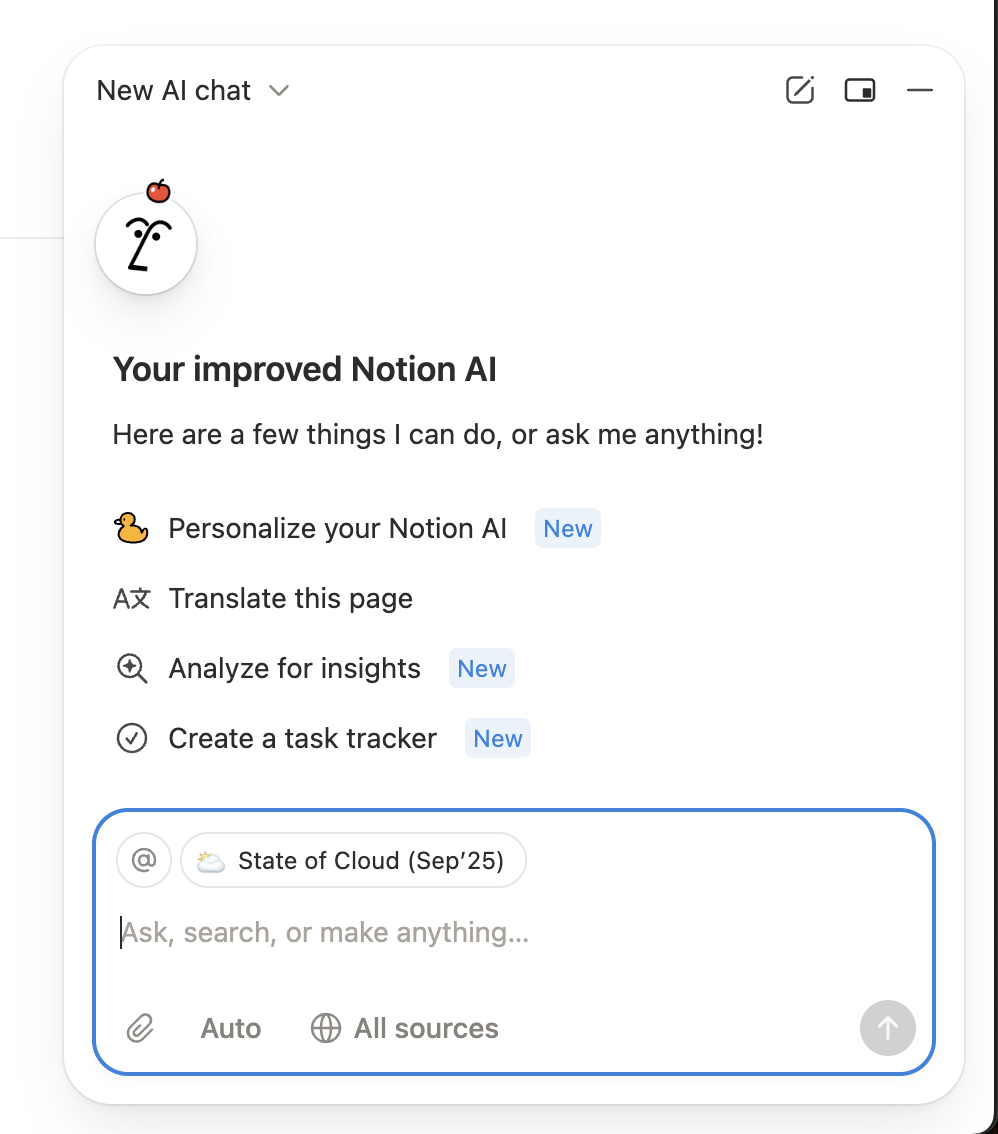
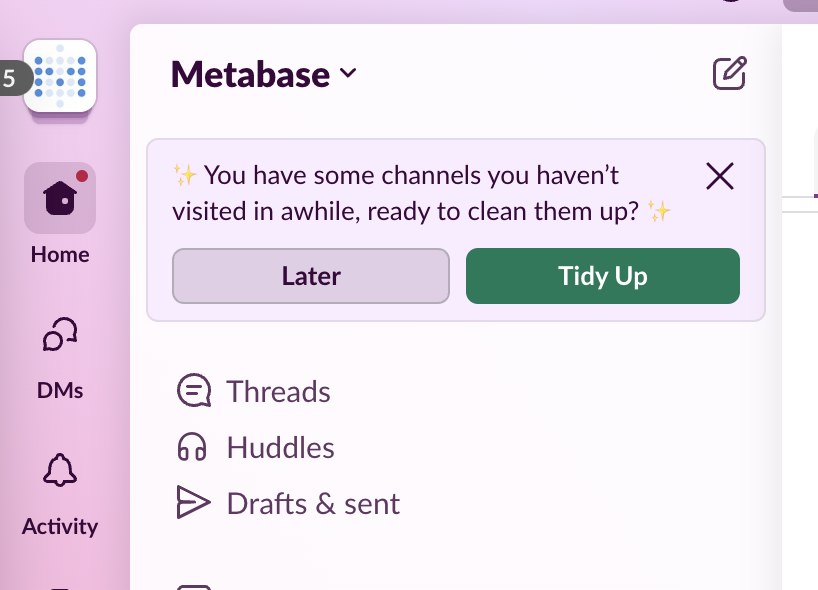
Specific copy tells users exactly what they get or what changed: "over 10,000 compatible printers", "save $348.00", "2 months off", "add your aunt and best friend". Vague copy ("your improved Notion AI", "some channels you haven't visited") makes users do the work of guessing, and usually they don't.
Jochim Hansen and Michaela Wänke (2010) found that people judged concretely worded statements as more likely to be true than the same claims phrased abstractly. Grant Packard and Jonah Berger (2021) analyzed customer-service conversations and ran experiments: when agents used concrete language, customers were more satisfied and more willing to buy. NN/g's error-message guidelines apply the same rule to UI text: name the exact problem and the fix, not "an error occurred".
In upsells and paywalls, specificity is how a benefit becomes believable. A number answers the objection ("will it work with my printer?") and a concrete example shows the user what to do next.
How to use it
- Replace adjectives with facts: what changed, how many, how much, by when.
- Show savings as an amount or a period ("$348 a year", "2 months free") when the percentage alone feels abstract.
- When suggesting a cleanup or action, name the count and show examples ("12 channels, including #design-old").
Watch out
- False precision (made-up or unverifiable numbers) borrows the credibility of specificity and loses it when checked.
- Too much detail, such as internal codes or technical terms, hurts comprehension; be concrete in the user's terms.