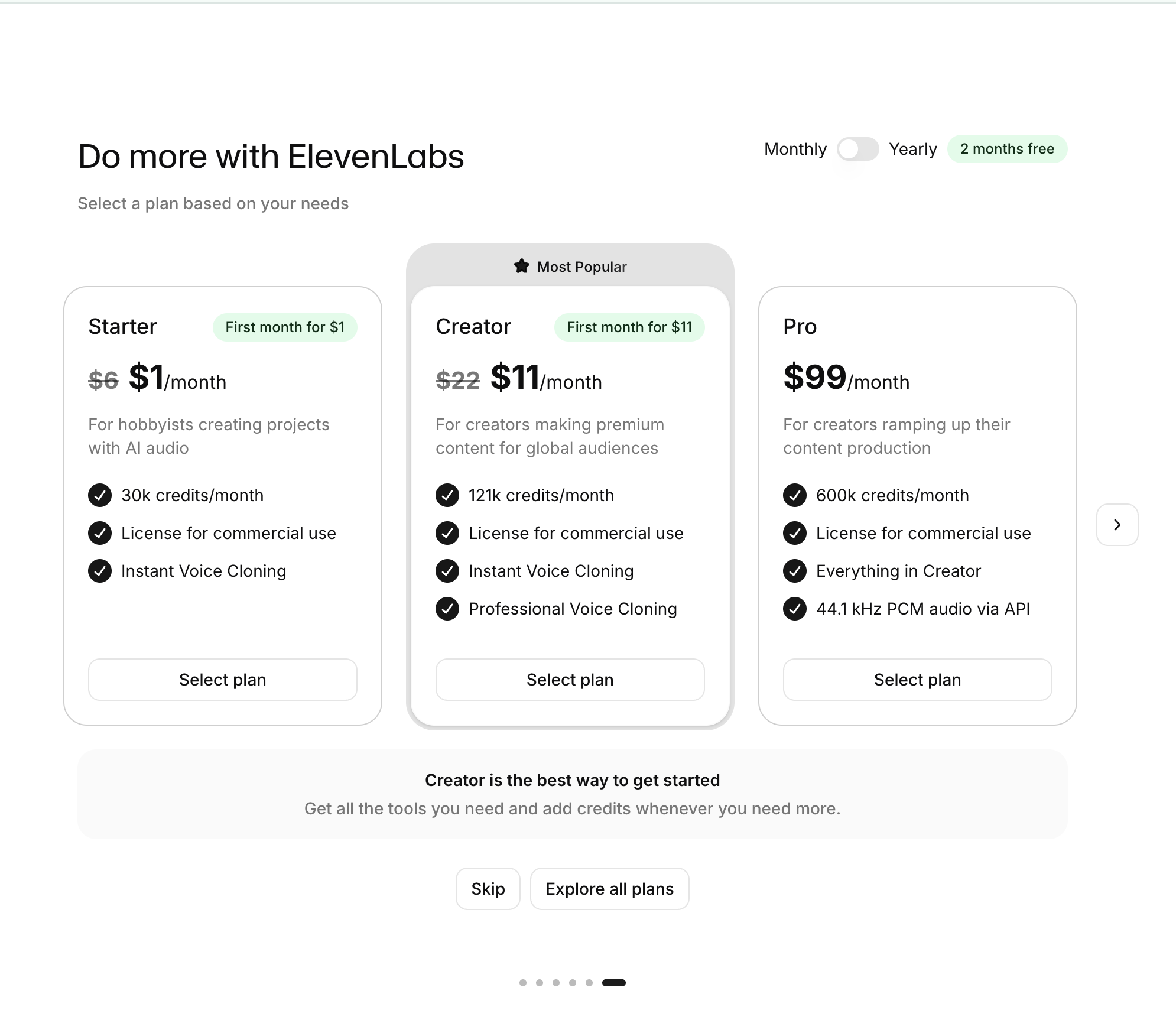
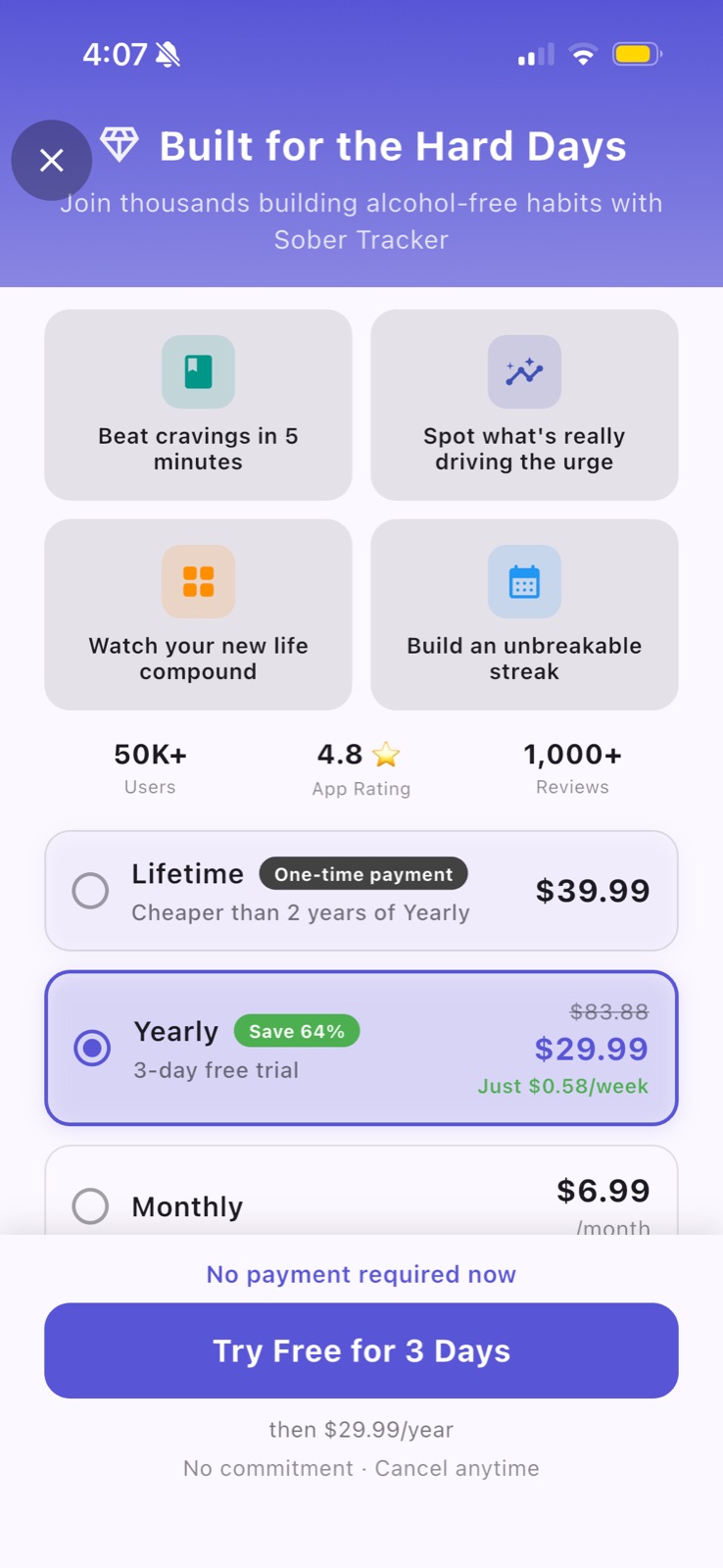
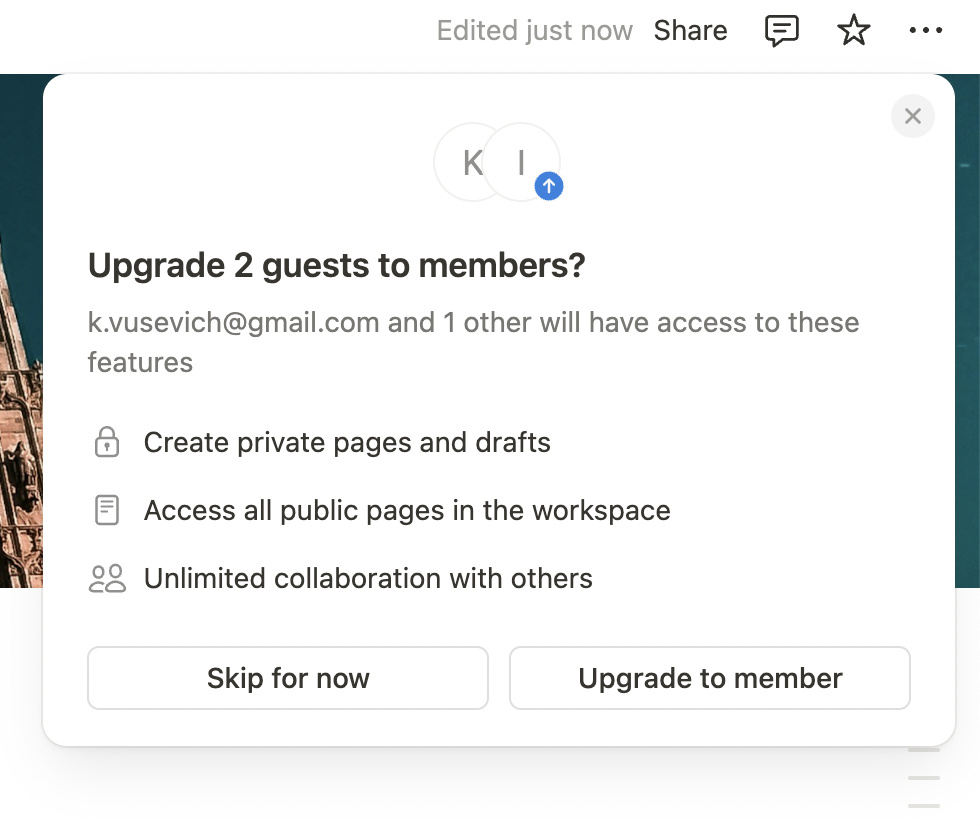
Framing is the effect of wording and presentation on choice when the underlying facts are the same. On this site it covers benefit framing, value framing and the value proposition: "2 months free" instead of "17% off", outcomes instead of features ("Beat cravings in 5 minutes"), and gains instead of limits when upselling a guest to a member.
Tversky and Kahneman (1981) showed the classic case: in their "Asian disease" problem, people preferred the safe option when outcomes were described as lives saved and the risky option when the same outcomes were described as lives lost. Levin and Gaeth (1988) found a simpler attribute version: ground beef labeled "75% lean" was rated better than beef labeled "25% fat", with the gap shrinking after people tasted it. Levin, Schneider and Gaeth (1998) later sorted framing into risky-choice, attribute and goal framing, and noted the effects vary in strength by type.
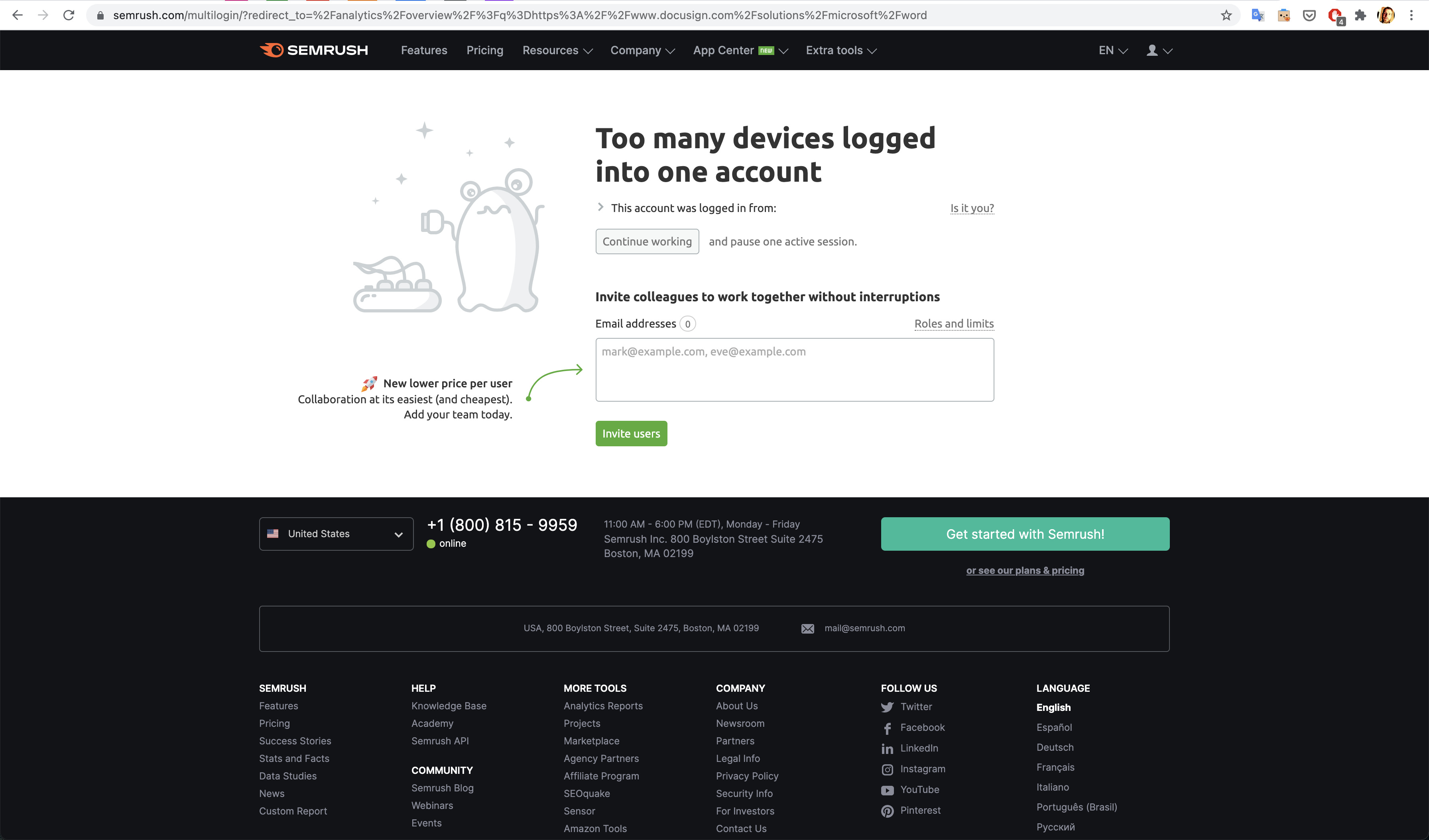
On paywalls and pricing pages, framing shapes perceived value more than the numbers do. Describing a plan by what it lets you do, and expressing savings in concrete units, usually reads better than feature lists and percentages.
How to use it
- Describe plans by outcomes the user cares about ("Create private pages and drafts") rather than internal feature names.
- Express savings in concrete terms people can picture ("2 months free", "$2.50 a week") and test them against percentages.
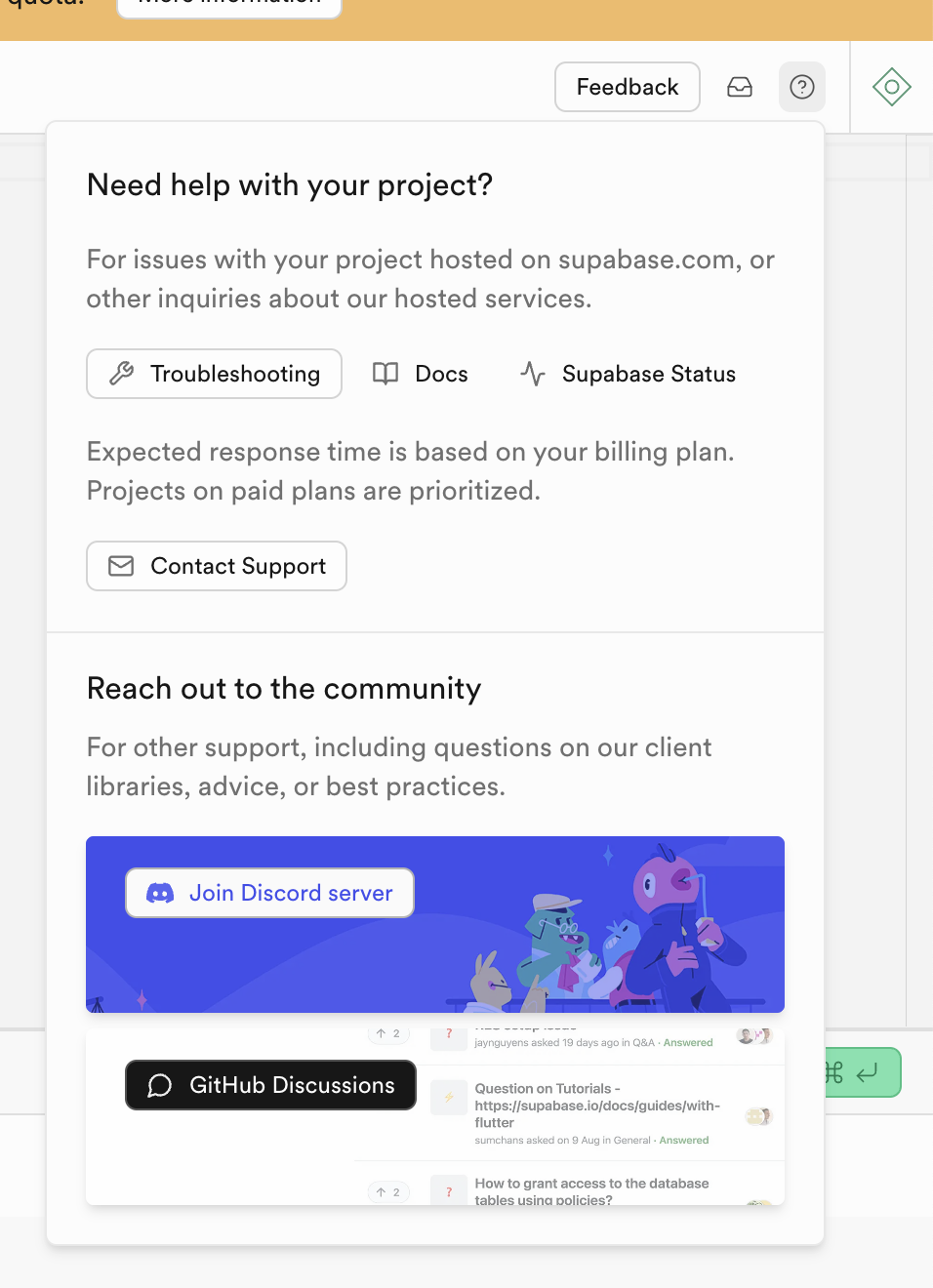
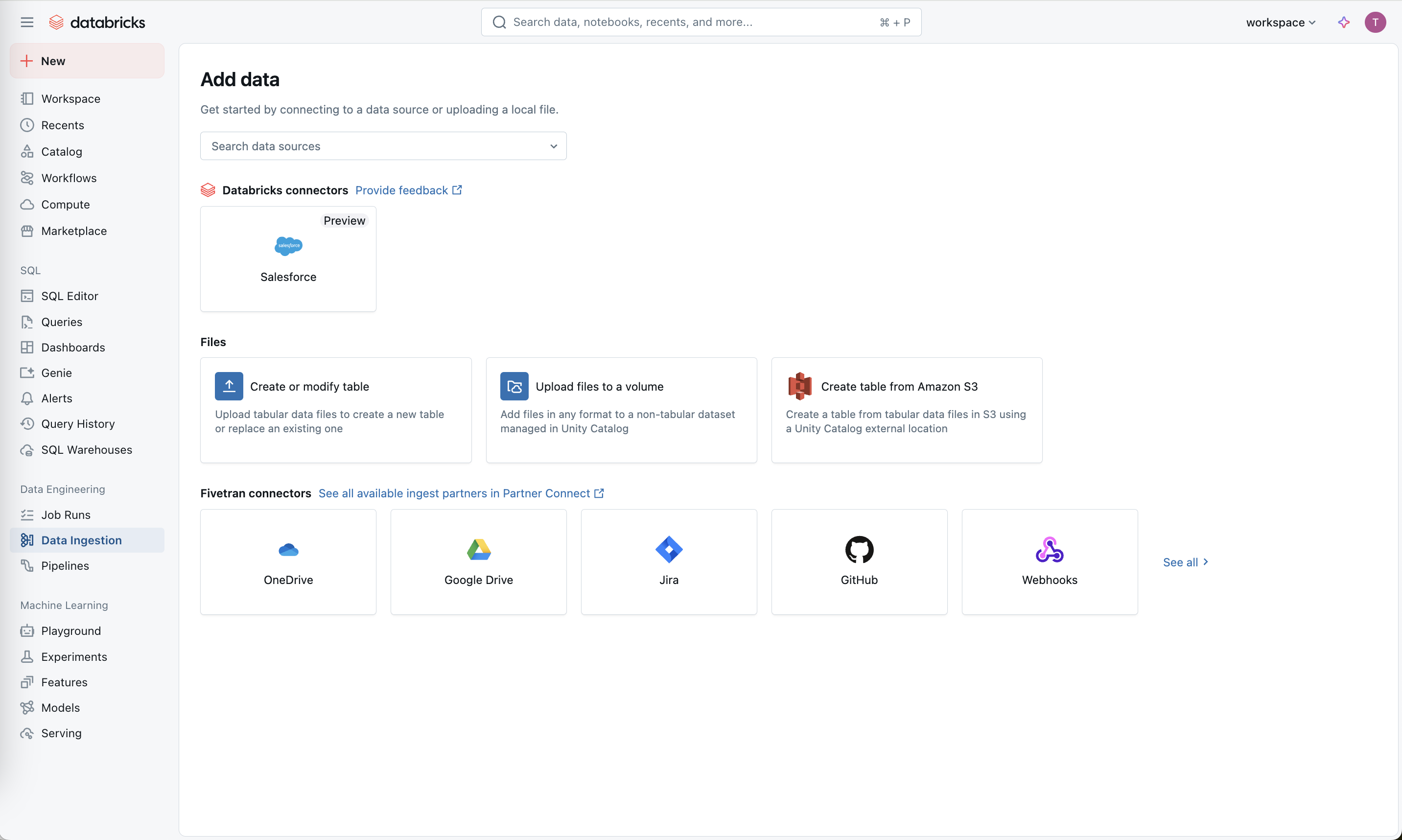
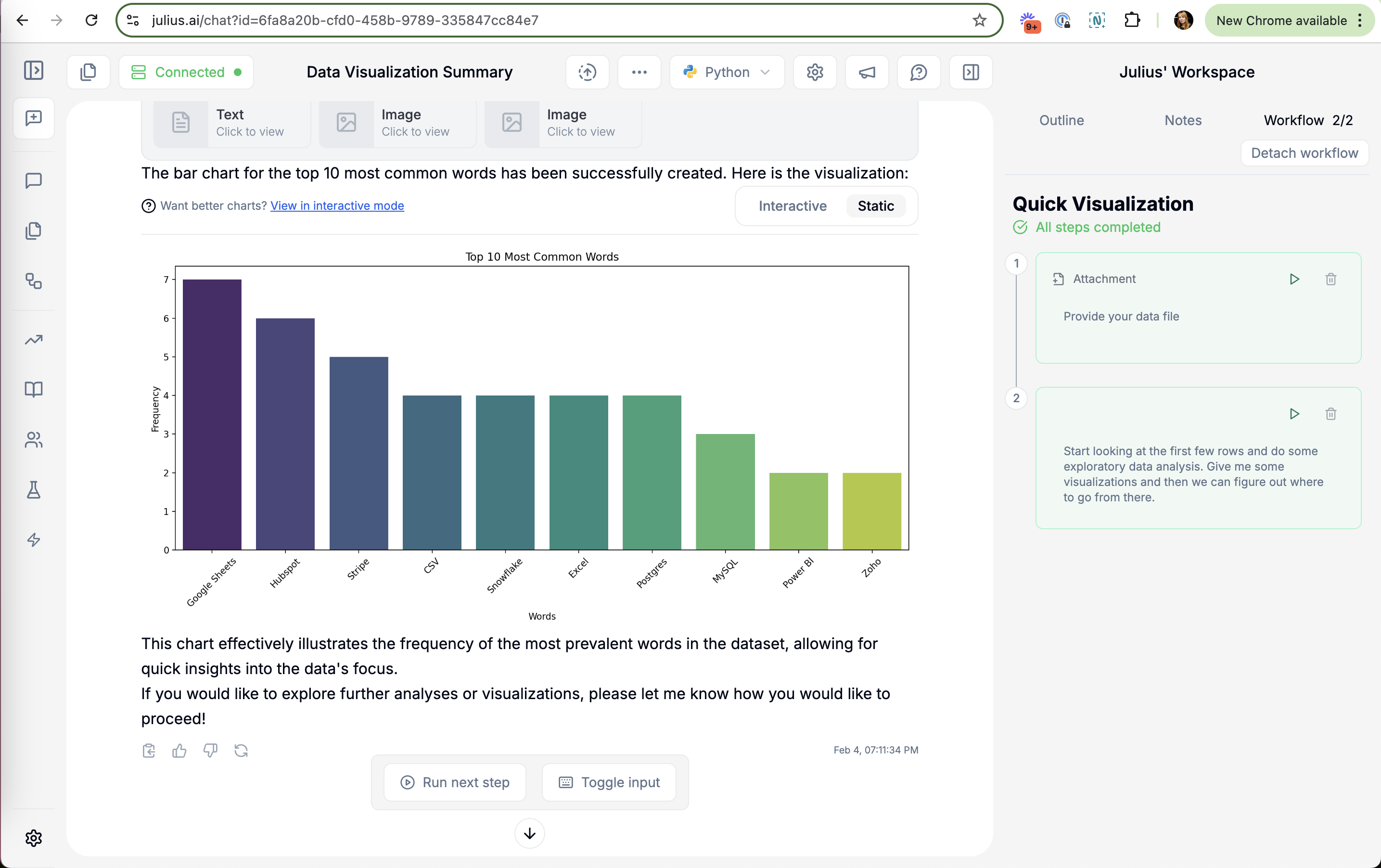
- Replace vague category labels ("Agentic Analytics Platform") with a one-line promise of what you get.
Watch out
- Framing that changes the meaning, not just the wording (calling an auto-renewing trial "free access"), is misleading.
- Framing effects weaken once people experience the product, as the beef study showed, so a frame the product cannot live up to creates disappointment.