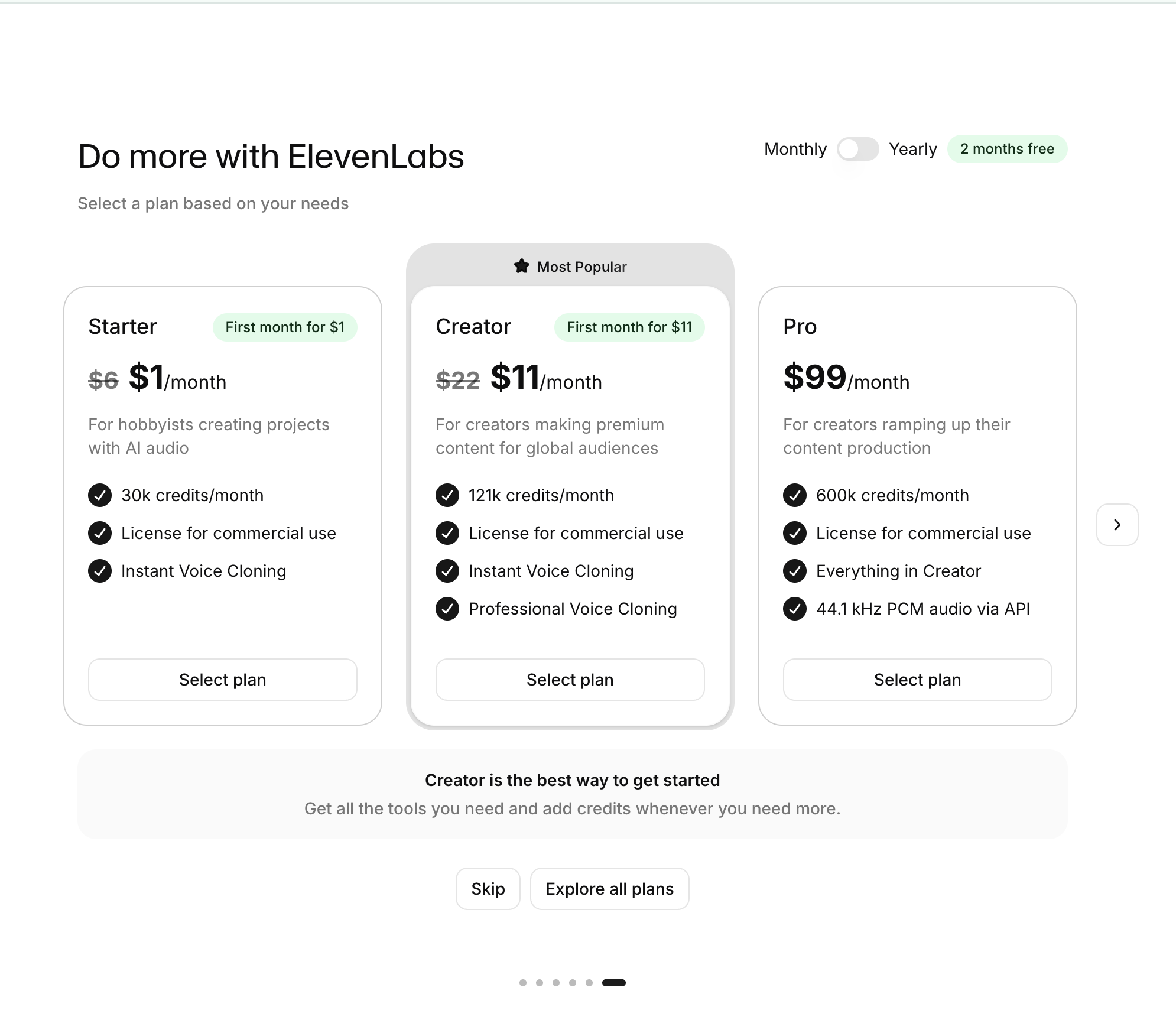
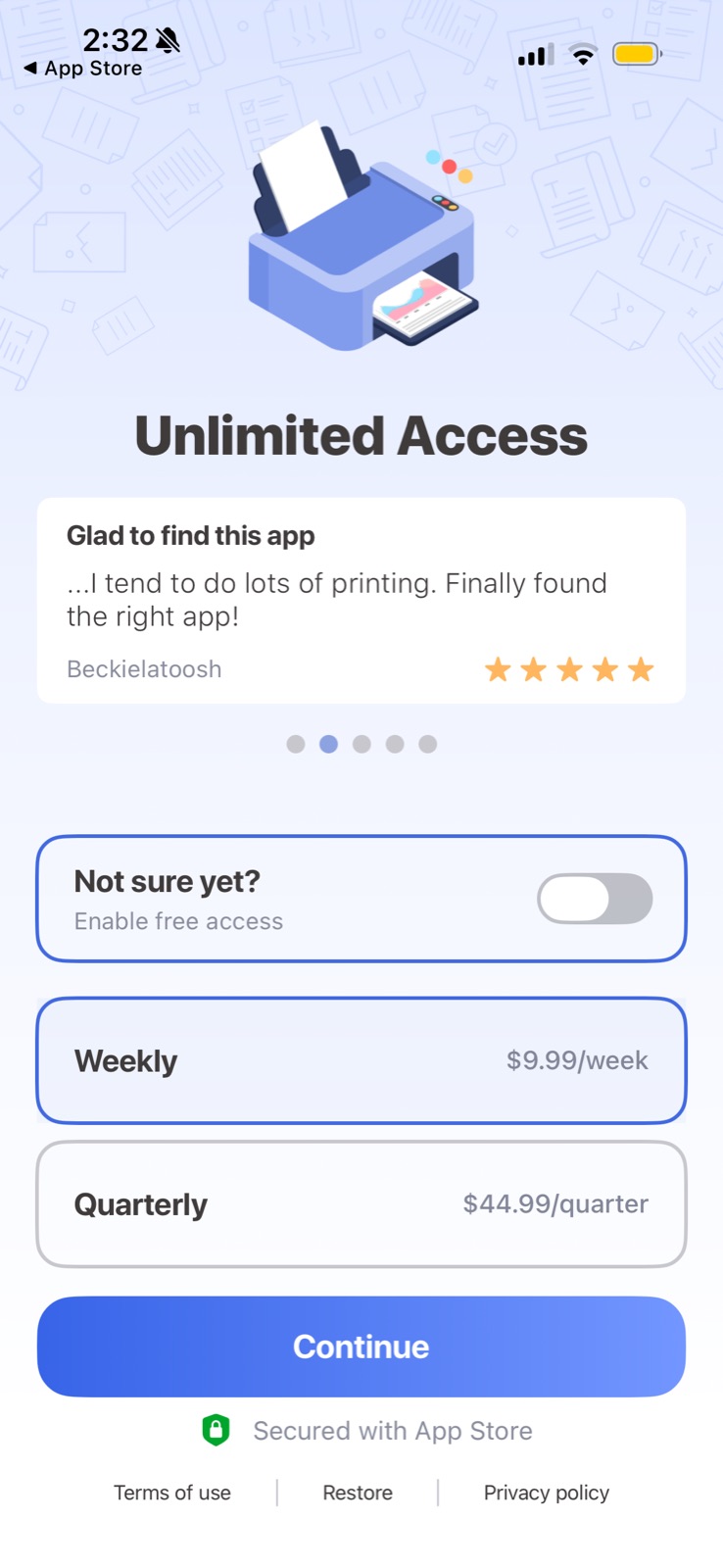
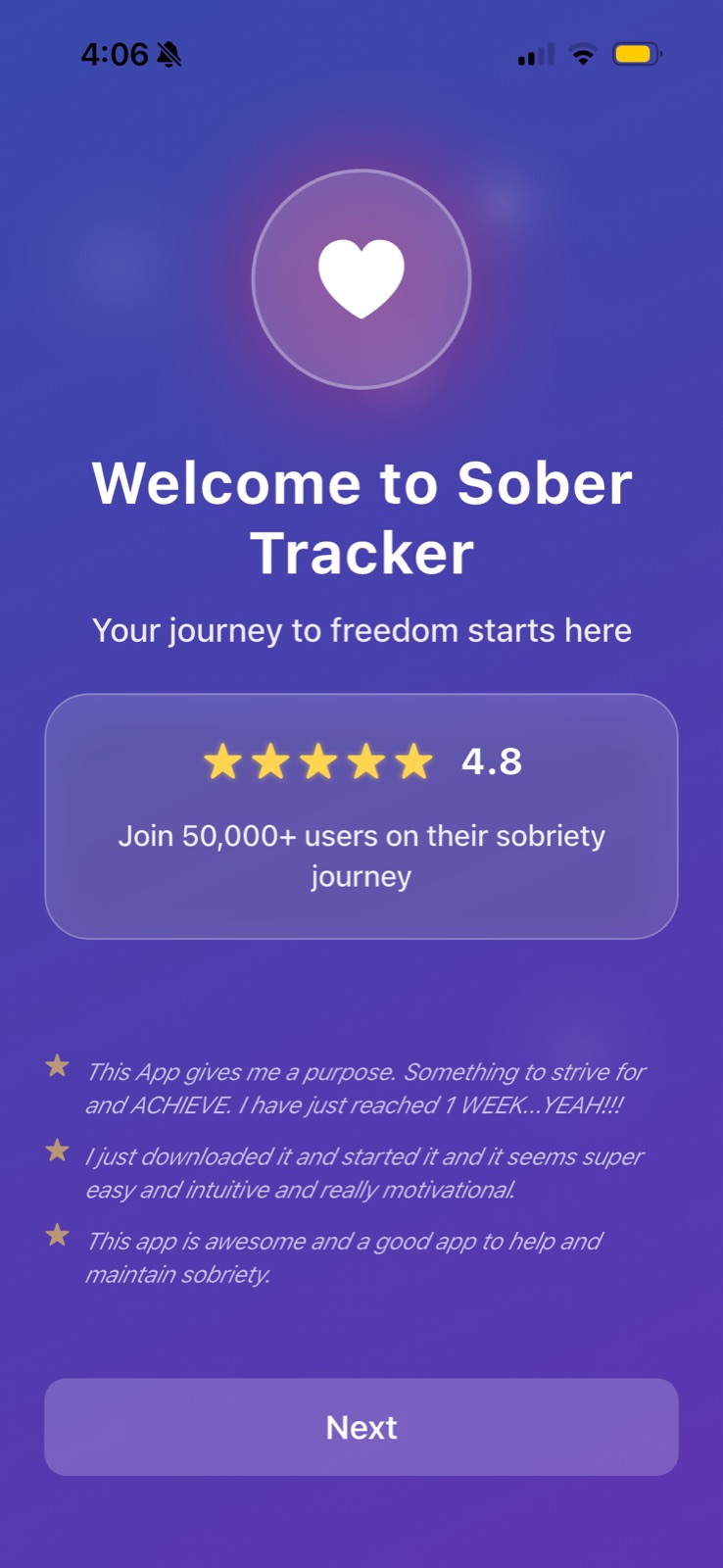
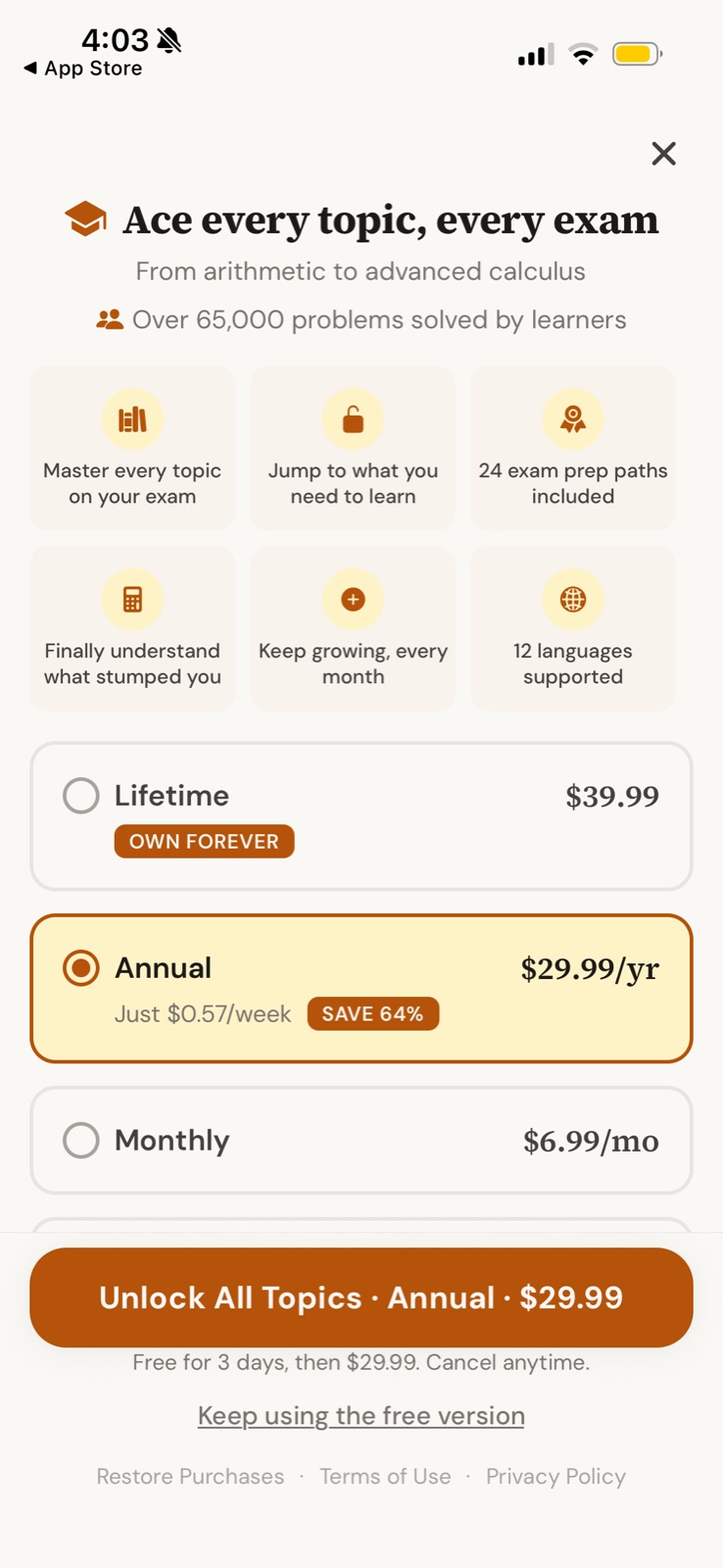
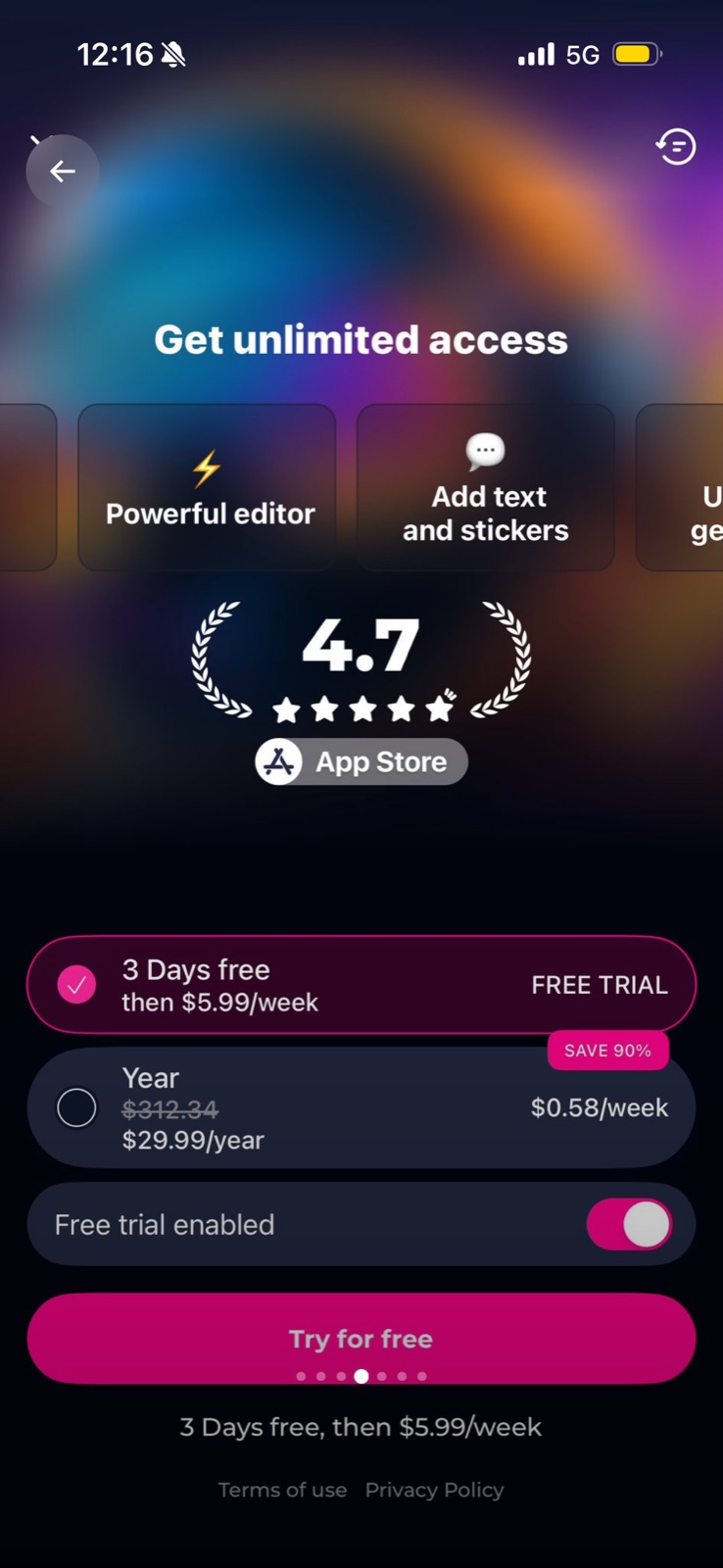
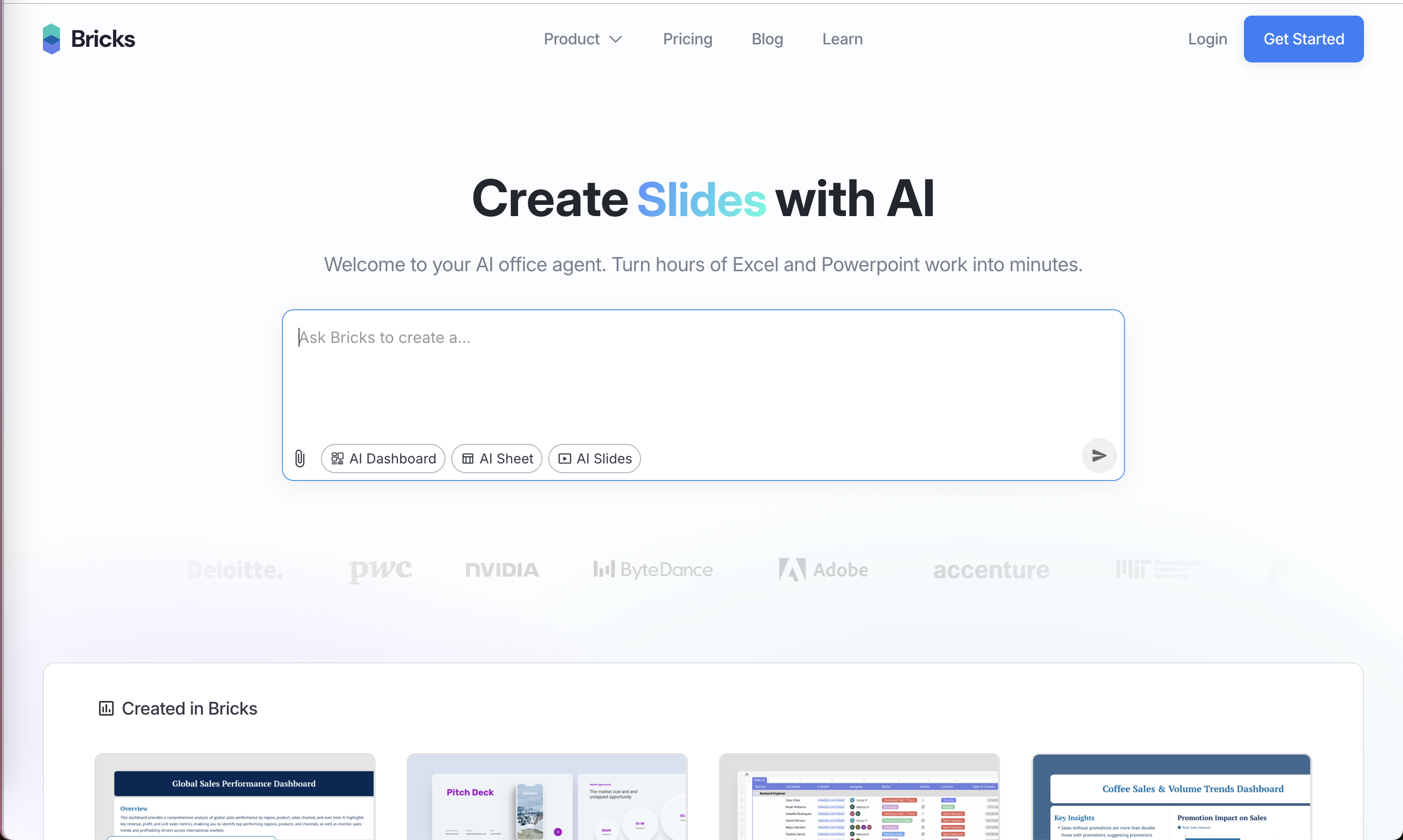
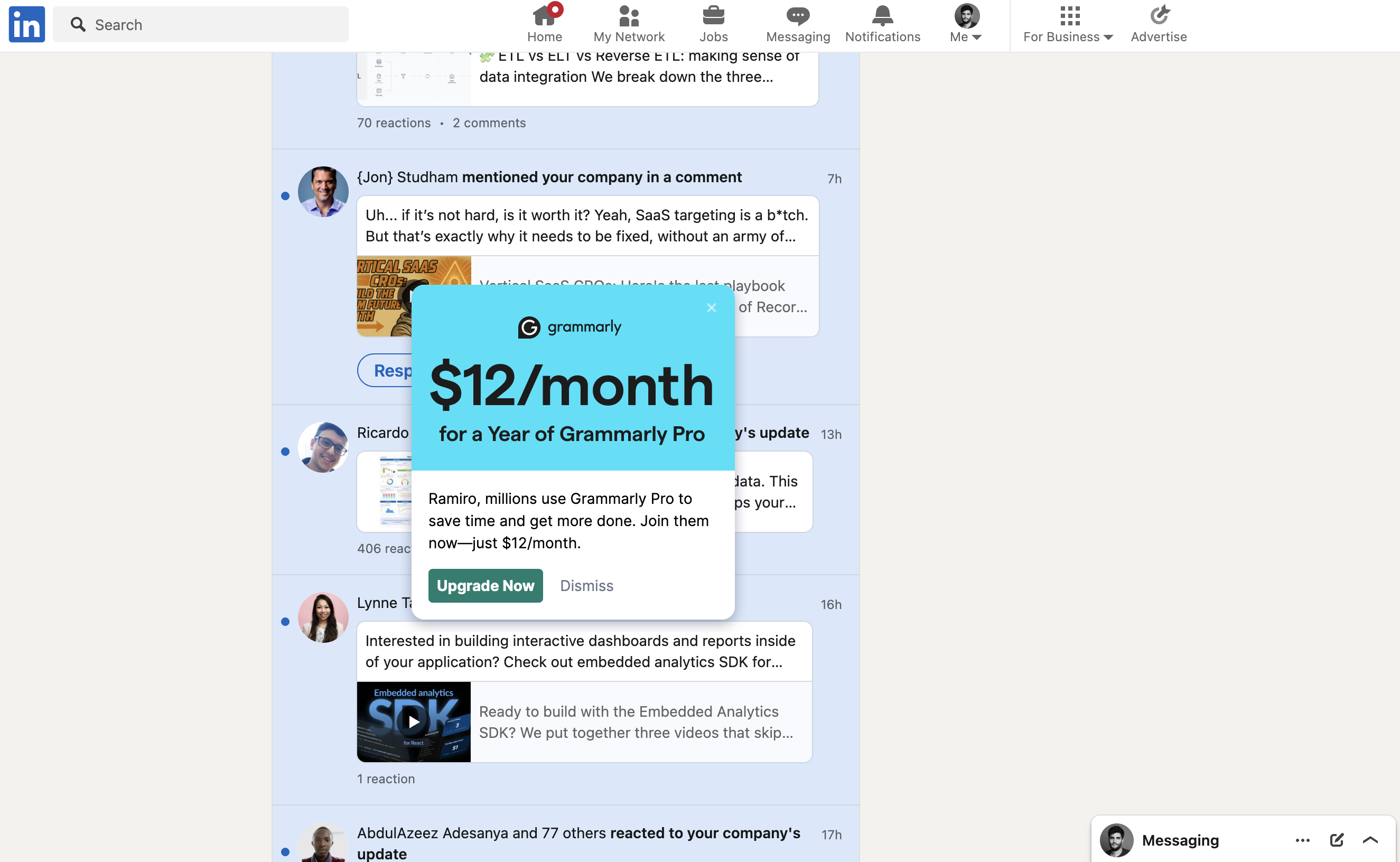
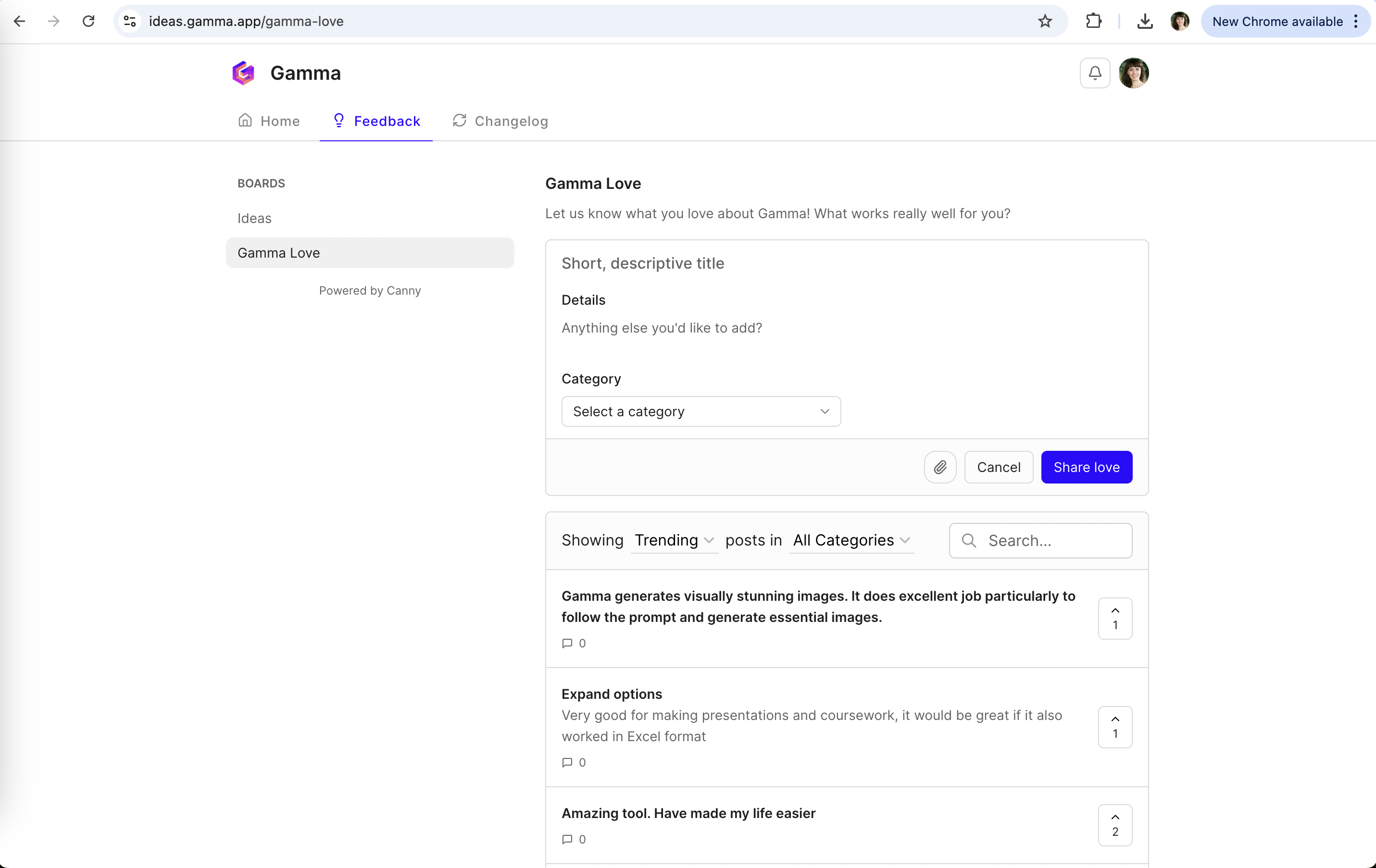
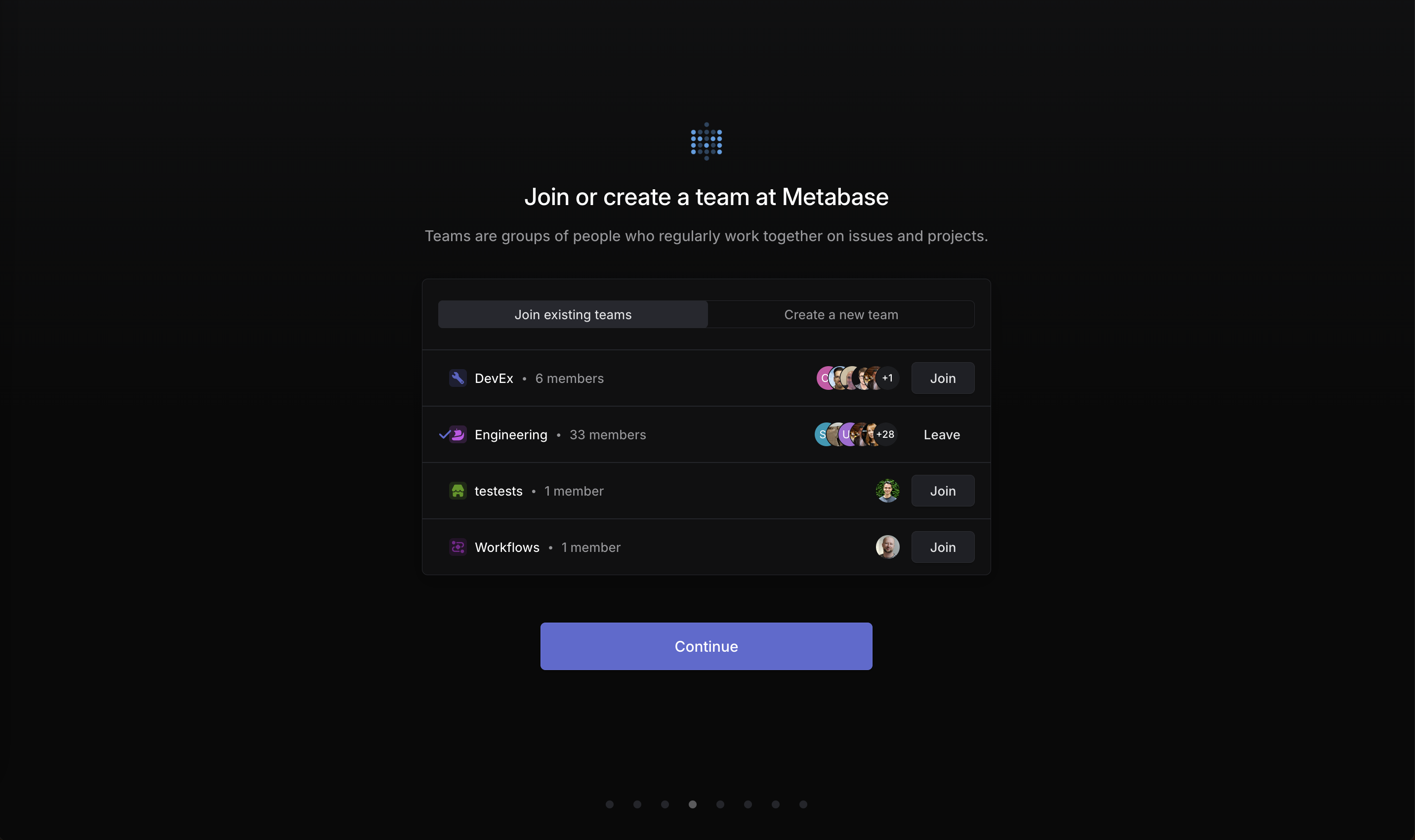
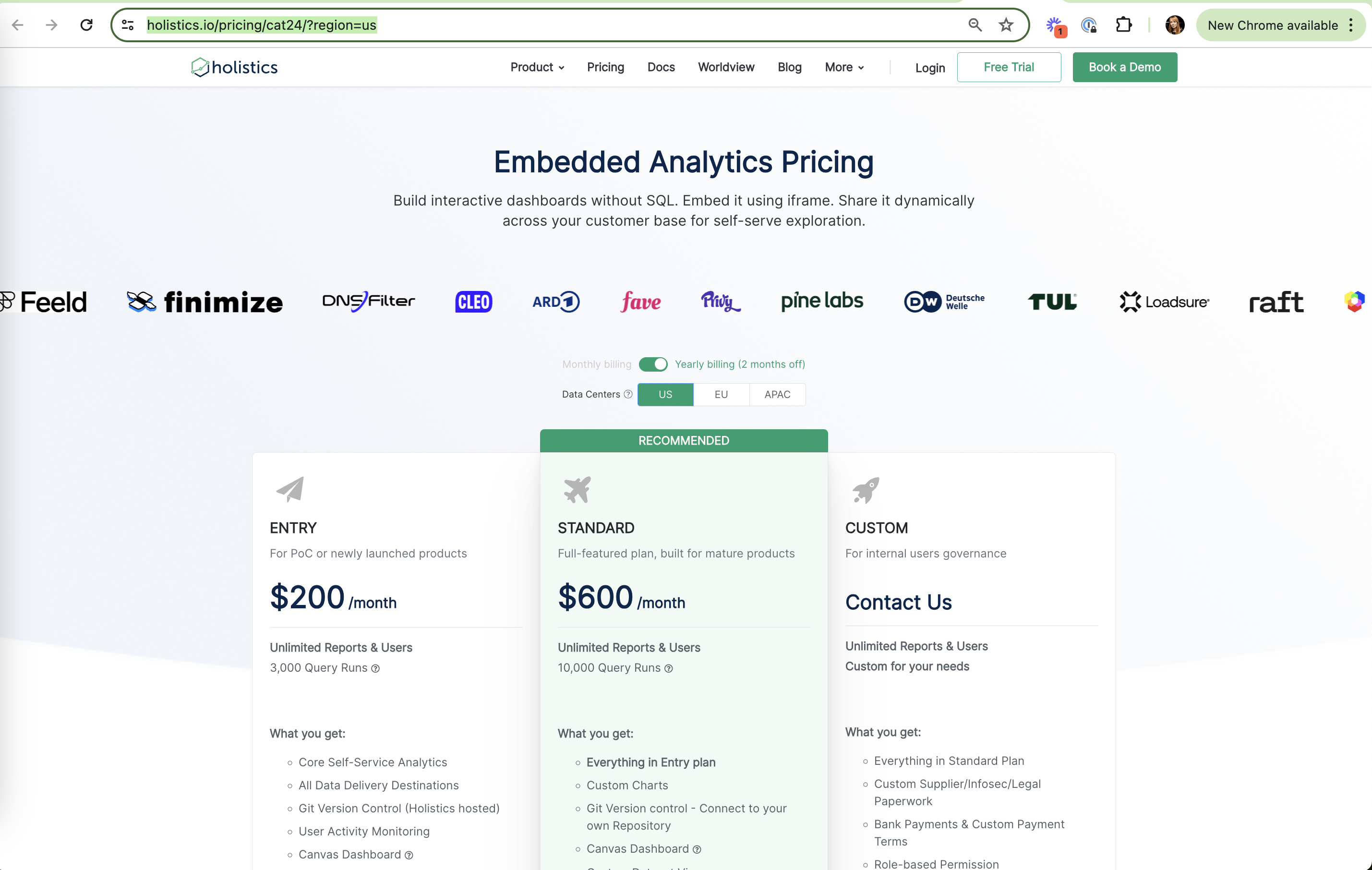
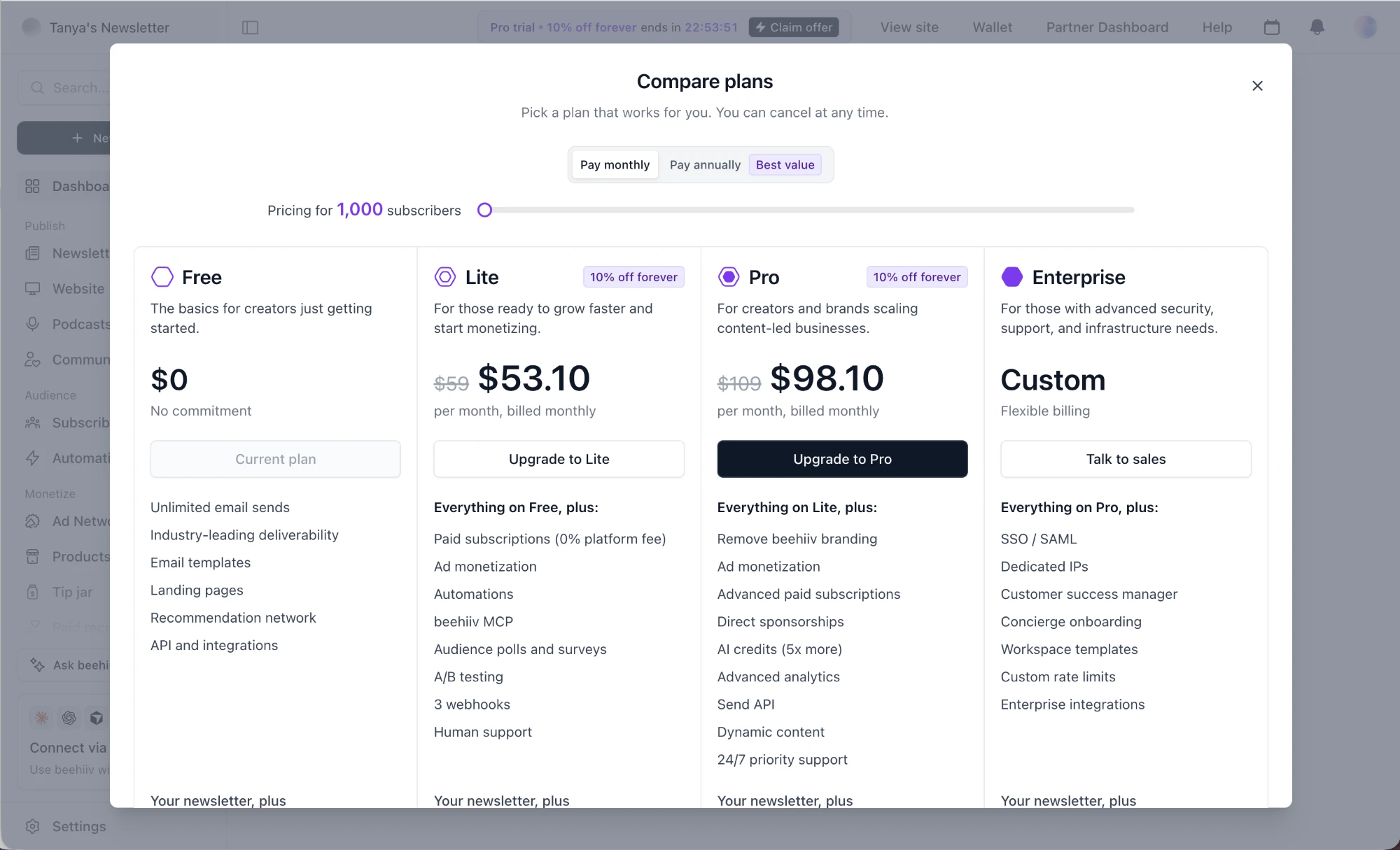
When a choice is uncertain, people use other people's behavior as evidence. On product screens this shows up as ratings, review snippets, user counts, "Most popular" labels on a plan, and community stories of progress.
Goldstein, Cialdini and Griskevicius (2008) ran a field study in a hotel: 37.2% of guests reused towels with the standard environmental appeal, 44.0% with a card saying most guests reuse theirs, and 49.3% with a card referring to guests who stayed in the same room. The effect is not guaranteed: Bohner and Schlüter (2014) repeated the study in two German hotels and found the norm messages did no better than the standard message. Salganik, Dodds and Watts (2006) ran an online music market with 14,341 participants and found that showing download counts made popular songs more popular and made which songs won less predictable.
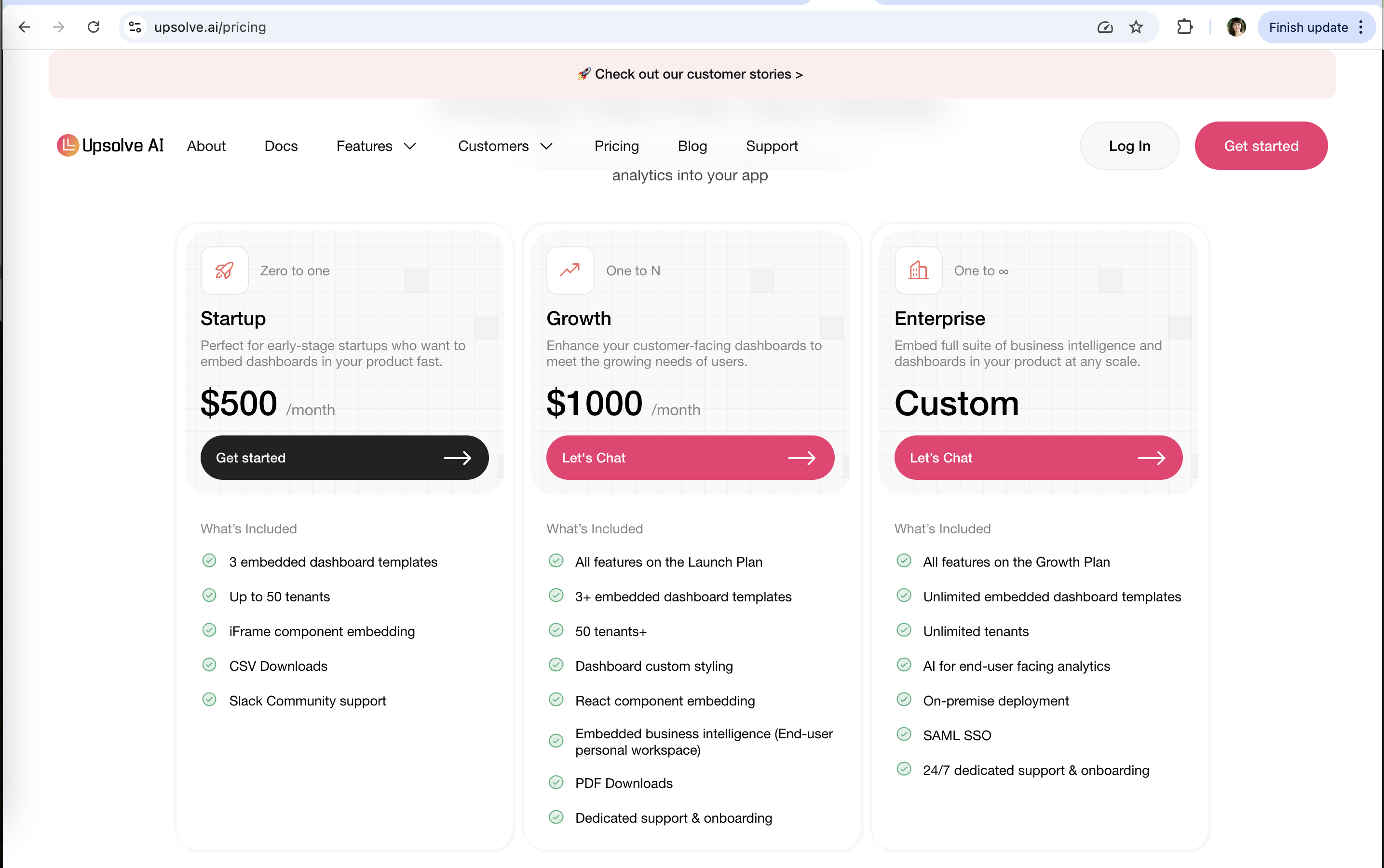
On a paywall, a "Most popular" badge or a rating with a crowd size answers the unspoken question "do people like me pay for this?" It works best when the proof is specific and close to the user's own situation.
How to use it
- Label the plan most similar users pick ("Most popular with teams of 5-20") rather than just highlighting it with color.
- Pair a rating with its source and volume ("4.8 on the App Store, 12k ratings") so it reads as evidence, not decoration.
- Use stories or numbers from people in the same segment as the viewer, such as the same role, goal or stage.
Watch out
- Fake or inflated counts, stock-photo testimonials, and "23 people are viewing this" messages are deceptive and erode trust once noticed.
- Popularity cues can push users toward the crowd's choice even when another option fits them better; show the reason, not just the badge.