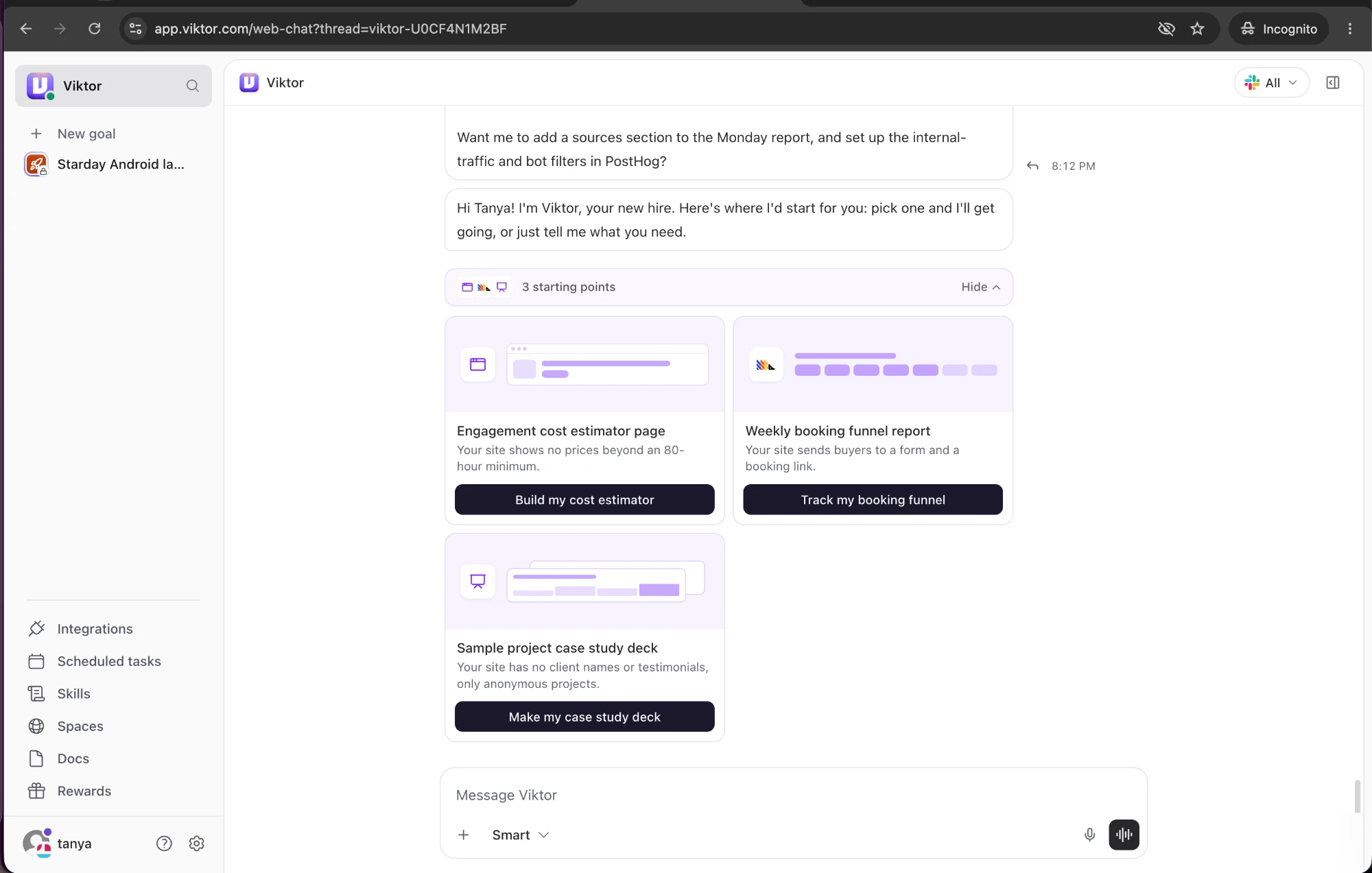
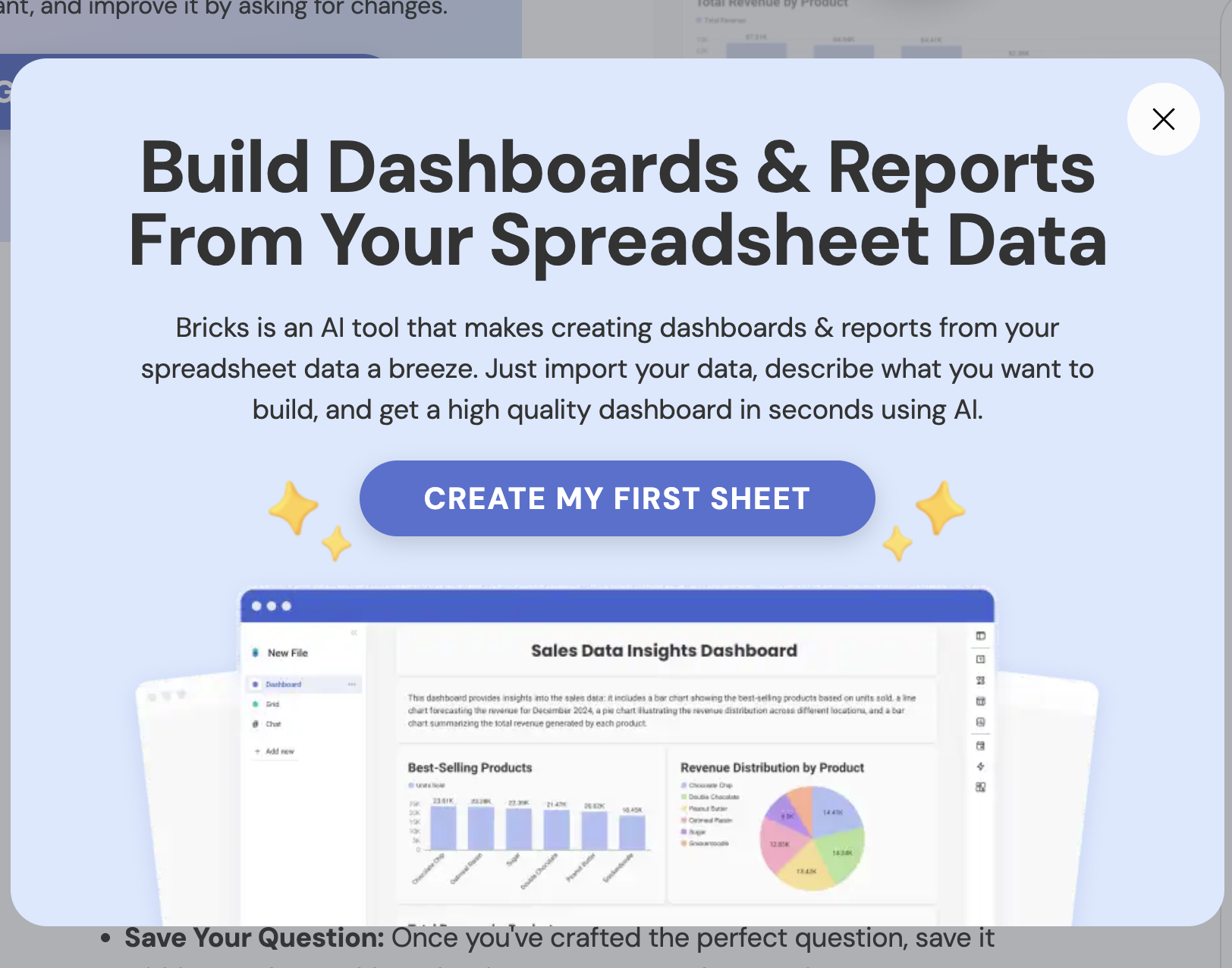
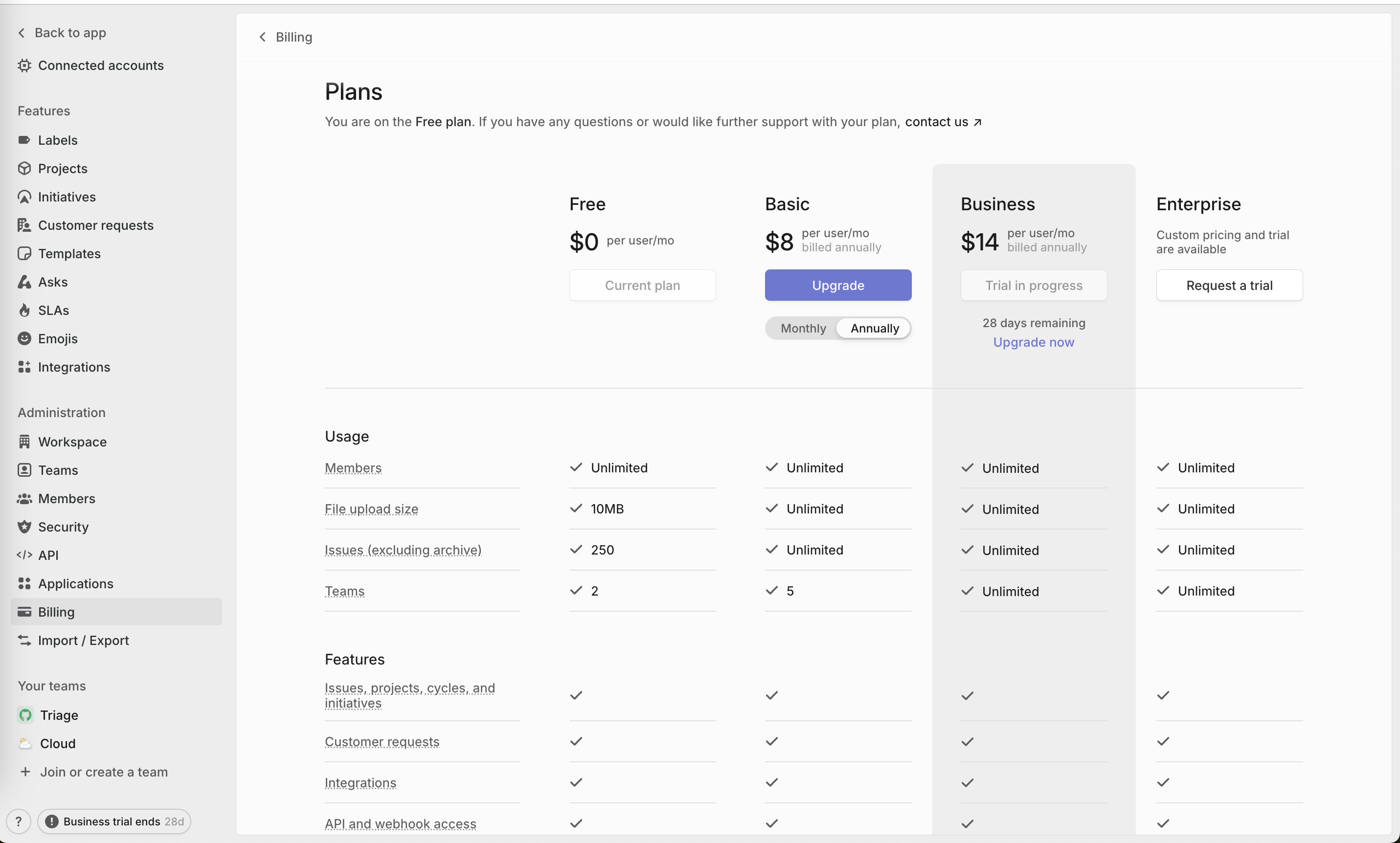
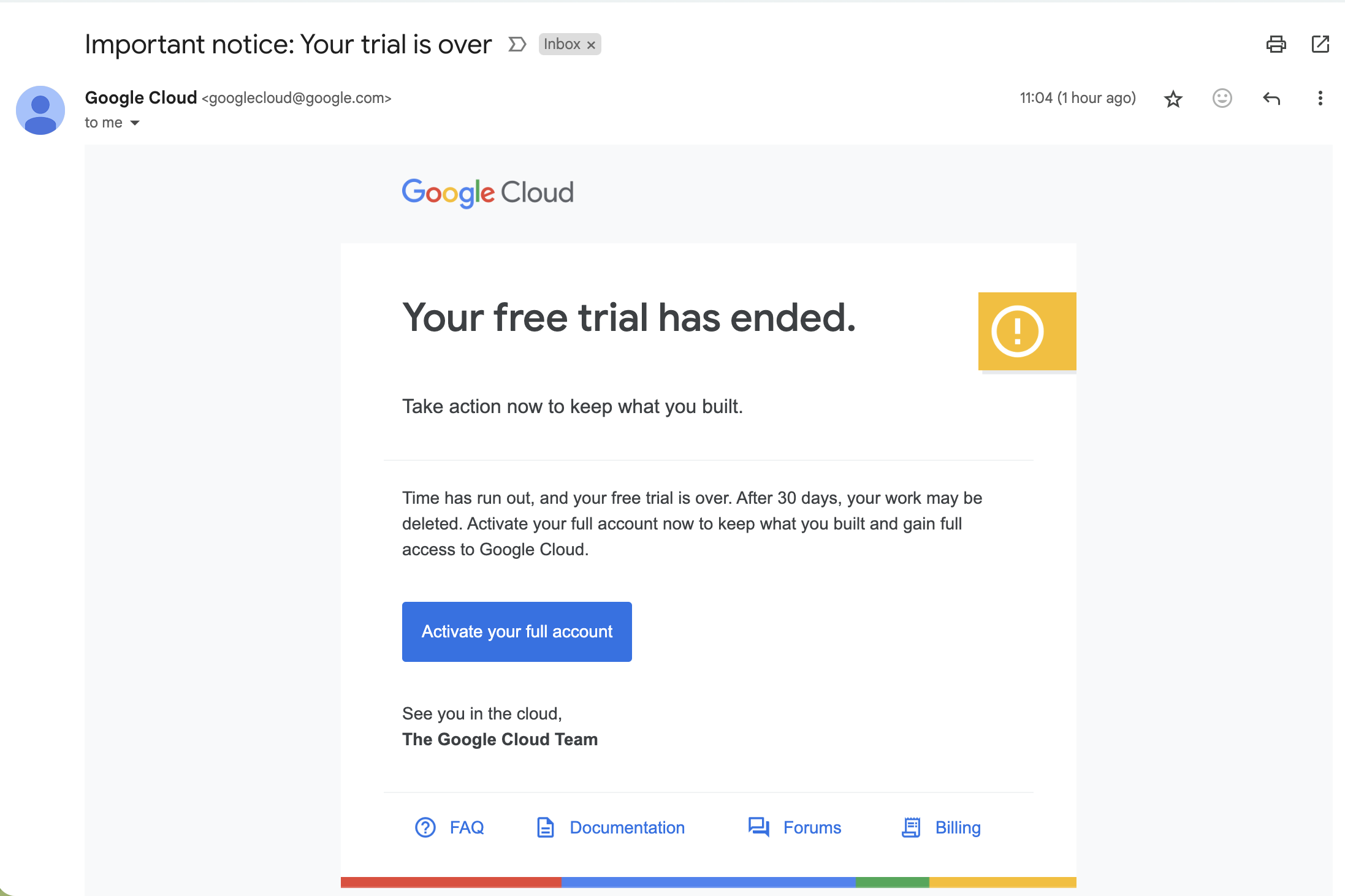
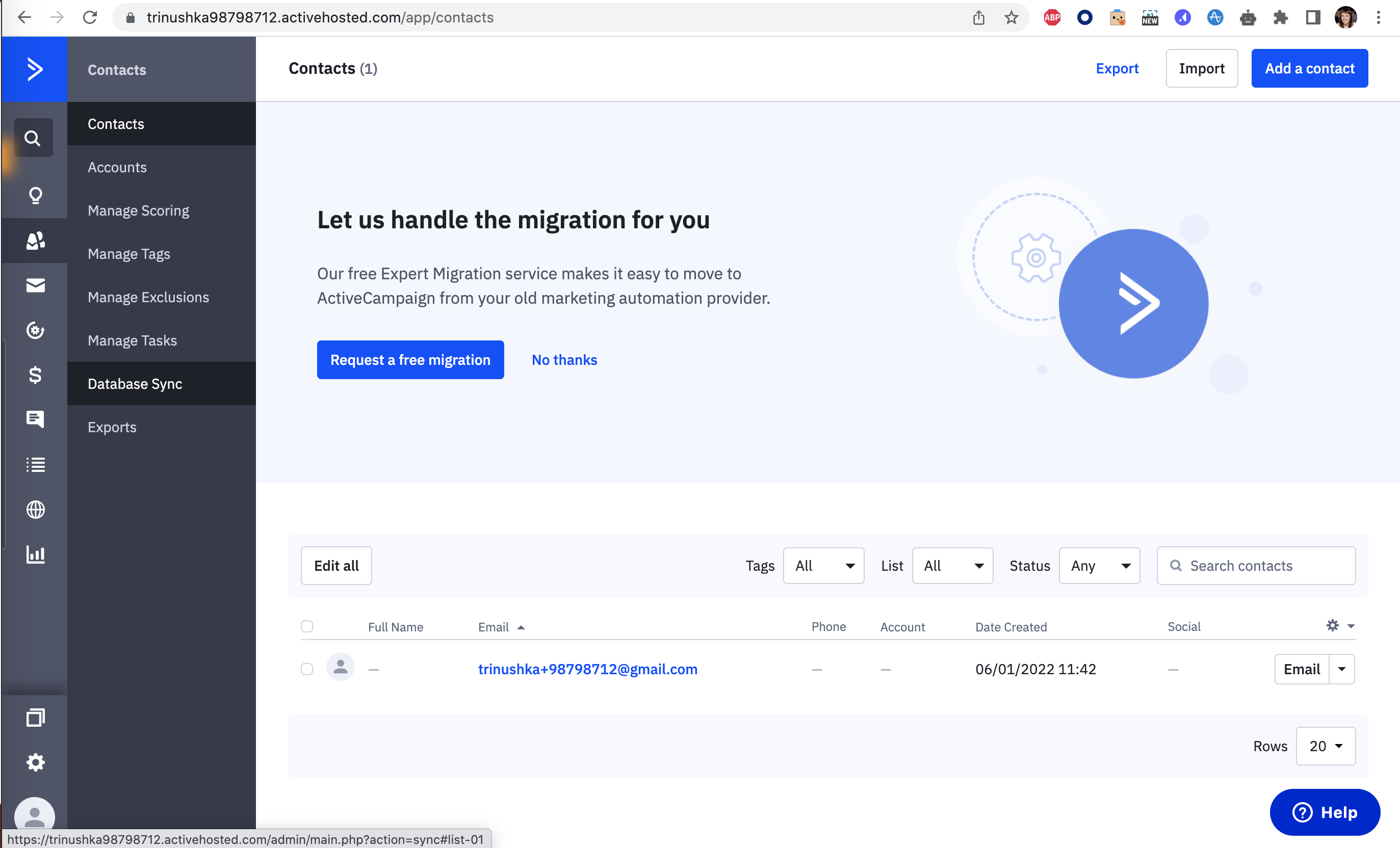
The endowment effect is the gap between what people will pay to get something and what they ask to give it up. On the site it covers trials that let users build real work, first-person CTAs like "Create my first sheet", "keep what you built" messages at trial end, and migration offers that lower the switching cost from a rival tool.
Kahneman, Knetsch and Thaler (1990) gave coffee mugs to half of a group and found owners asked much more to sell them than non-owners would pay to buy them (a median of $7.12 against $2.87 in one of the experiments), so far fewer trades happened than theory predicted. Norton, Mochon and Ariely (2011) found a related "IKEA effect": people valued things they assembled themselves more, but only when they finished them. The effect is debated: Plott and Zeiler (2005) found the buy-sell gap disappeared under carefully controlled elicitation procedures.
Free trials work partly because of this. Once a user has imported data, built a dashboard or customized a workspace, paying to keep it feels different from paying to try it.
How to use it
- Get users to create something of their own during the trial (a project, a report, an imported list) before the paywall appears.
- At trial end, name what they built ("Keep your 3 dashboards and 120 contacts") instead of listing generic features.
- Offer to import or migrate data from the tool they use today to lower their own switching cost.
Watch out
- Holding user data hostage (blocking export or deleting work immediately at trial end) turns ownership into coercion.
- Ownership only builds if the user succeeds; a half-finished setup creates frustration, not attachment.