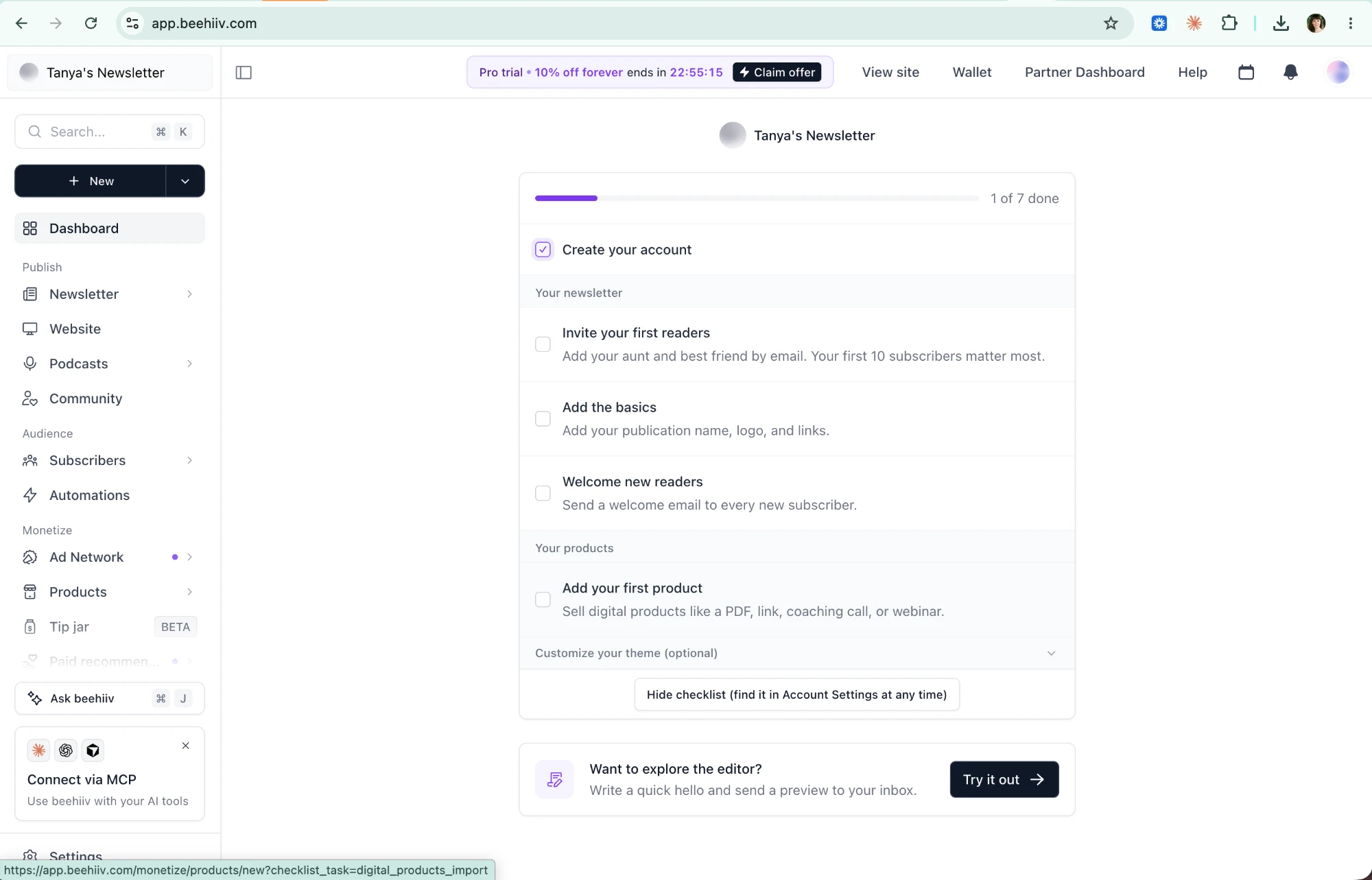
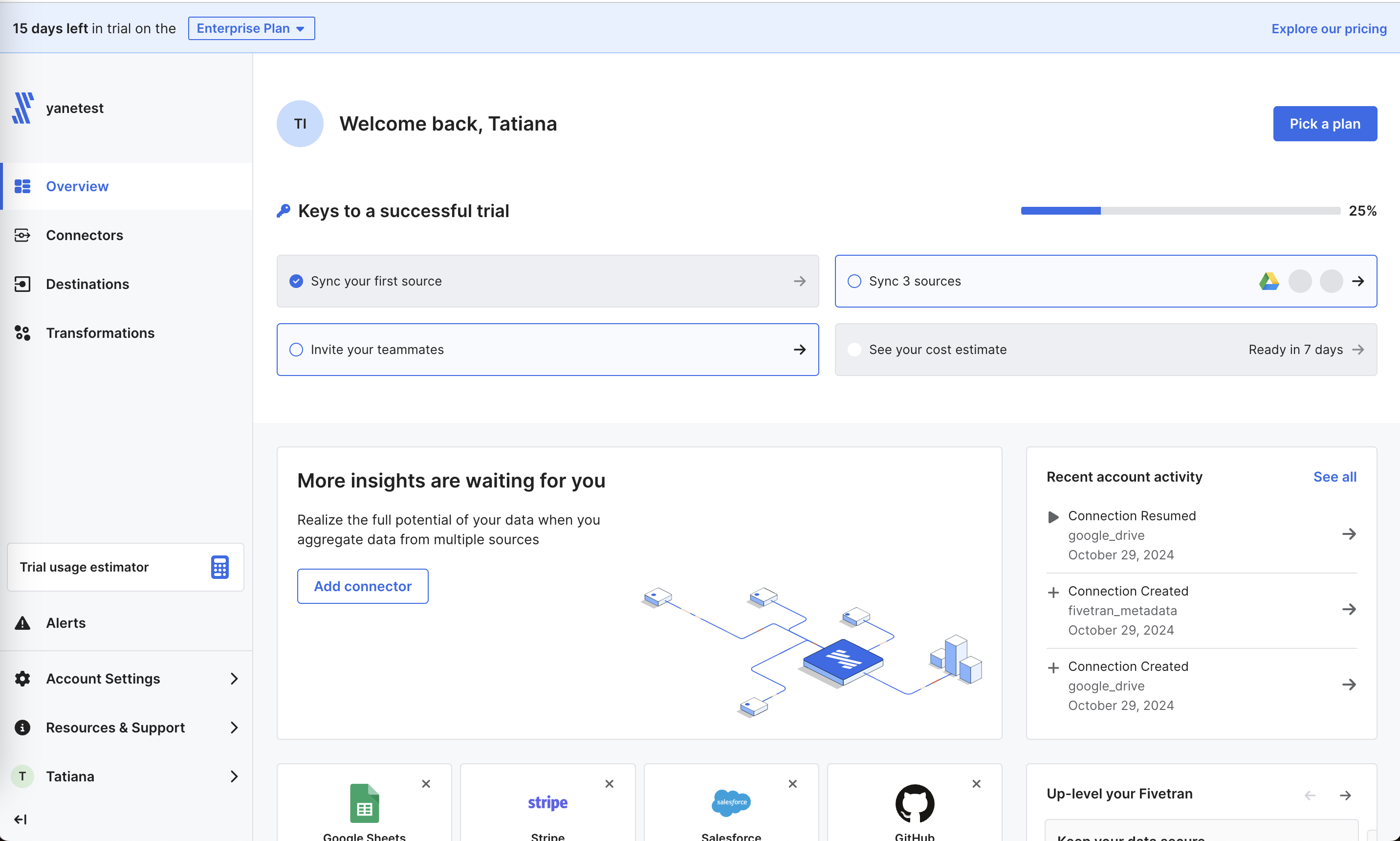
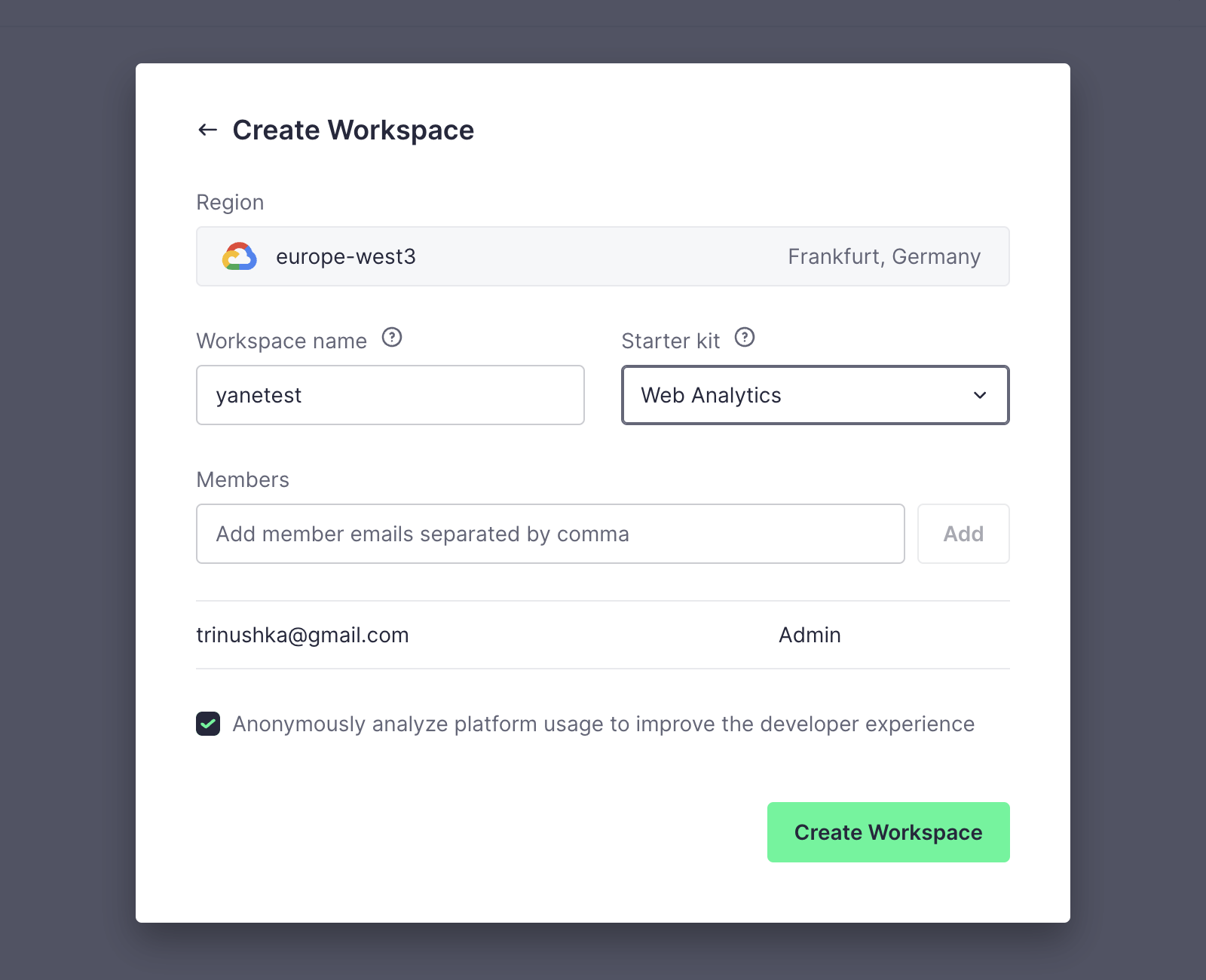
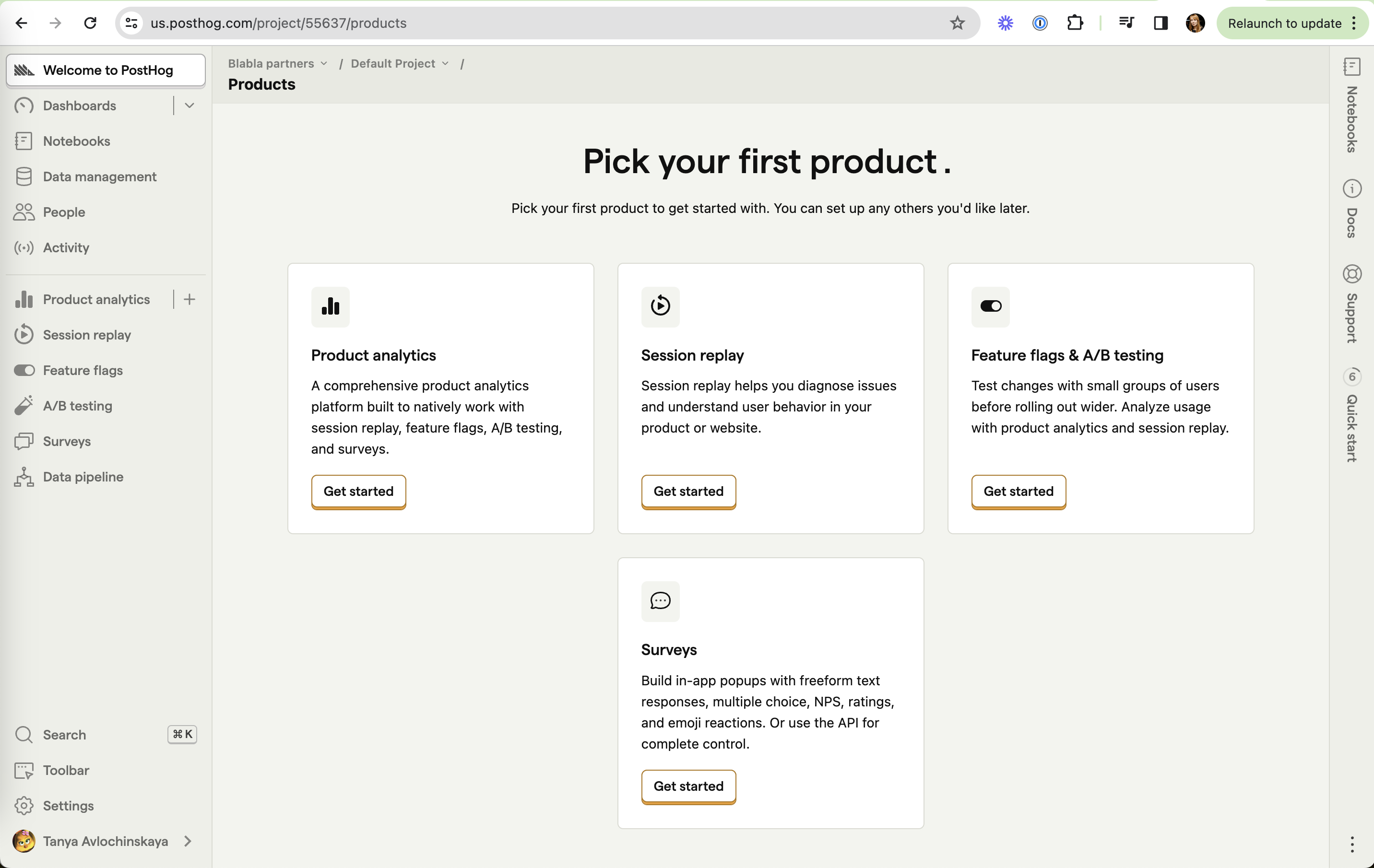
The endowed progress effect is the boost in effort that comes from feeling a task is already partly done. On product screens it looks like a setup checklist that starts at 25% because account creation counts as step one, a prefilled email field, or a workspace that opens with starter content.
Nunes and Drèze (2006) named the effect: reframing a task of 8 steps as 10 steps with 2 already completed made people more likely to finish and to finish faster. They attribute it to perceived progress, and found it depends on the reason given for the head start. Kivetz, Urminsky and Zheng (2006) found the same in a café: customers given a 12-stamp card with 2 bonus stamps completed the 10 purchases faster than those with a plain 10-stamp card.
Onboarding checklists and trial setup flows are long, multi-step goals, which is exactly where a credible head start helps users keep going.
How to use it
- Count steps the user has genuinely done (signed up, verified email) as completed items in the setup checklist.
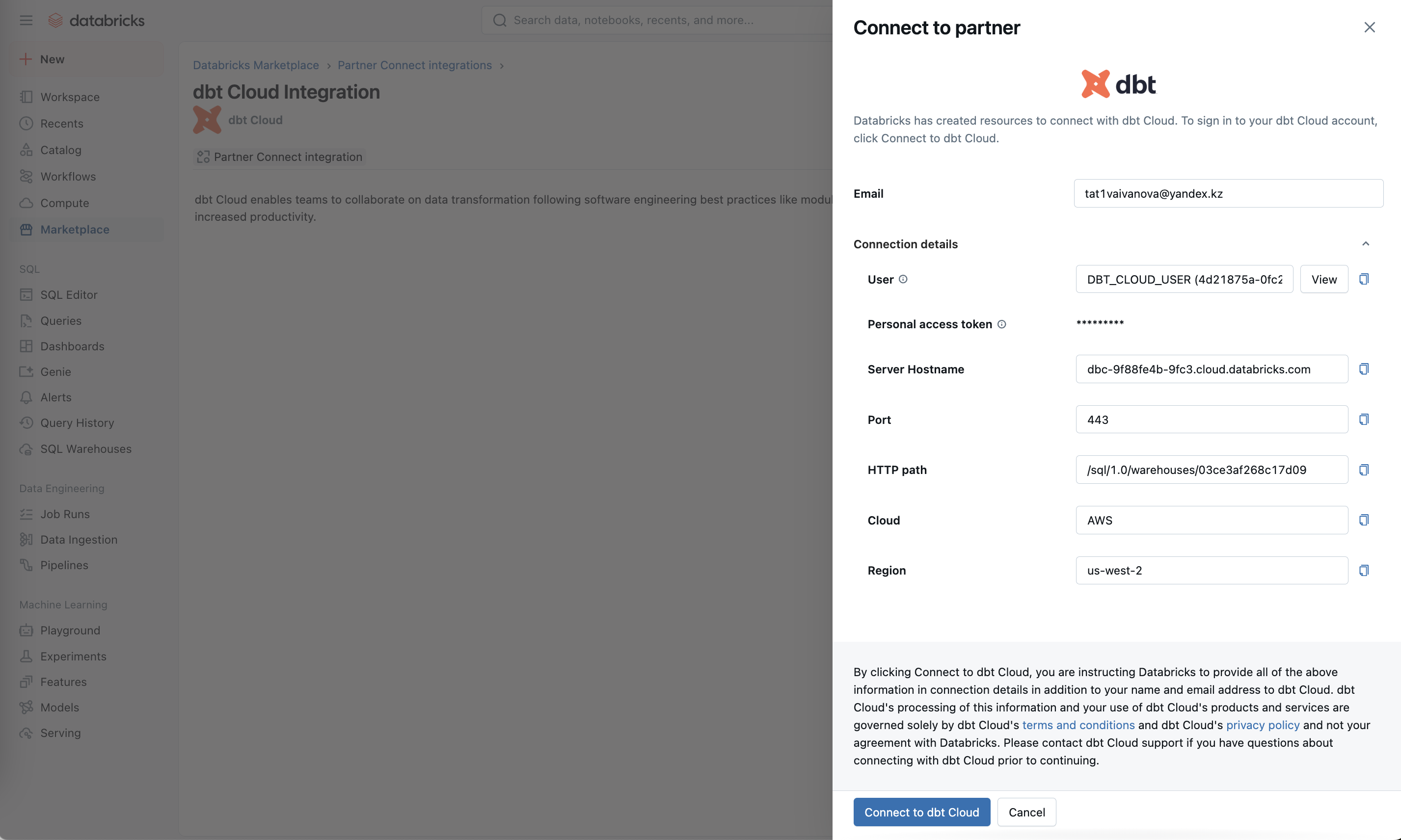
- Prefill or pre-create what you can (sample project, imported settings) and show it as progress already made.
- Show the progress number or bar from the first screen so the head start is visible.
Watch out
- Fake progress that the user did nothing to earn, or a bar that jumps and then stalls, feels manipulative once noticed.
- A head start does not fix a checklist that is too long; drop steps before padding progress.