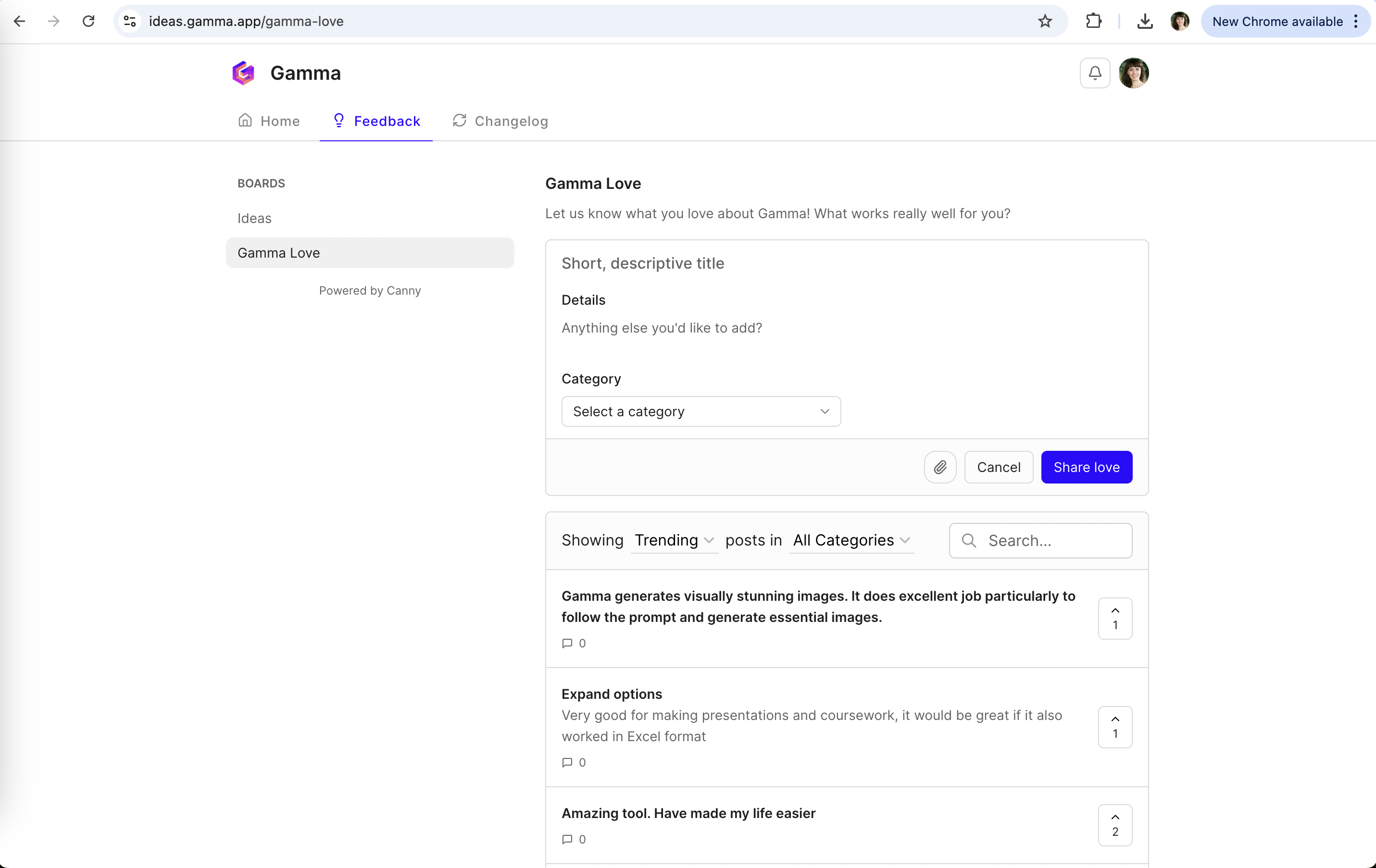
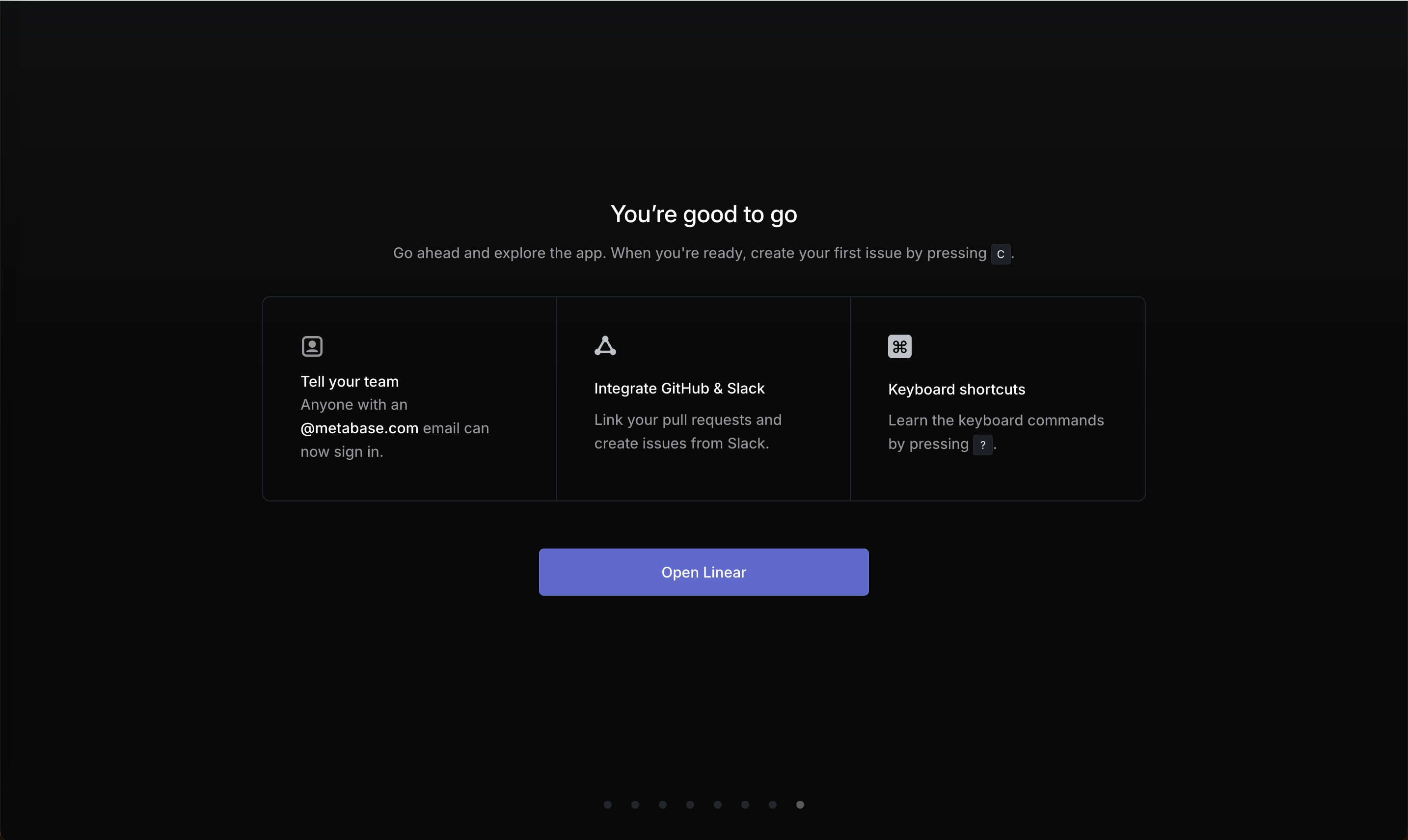
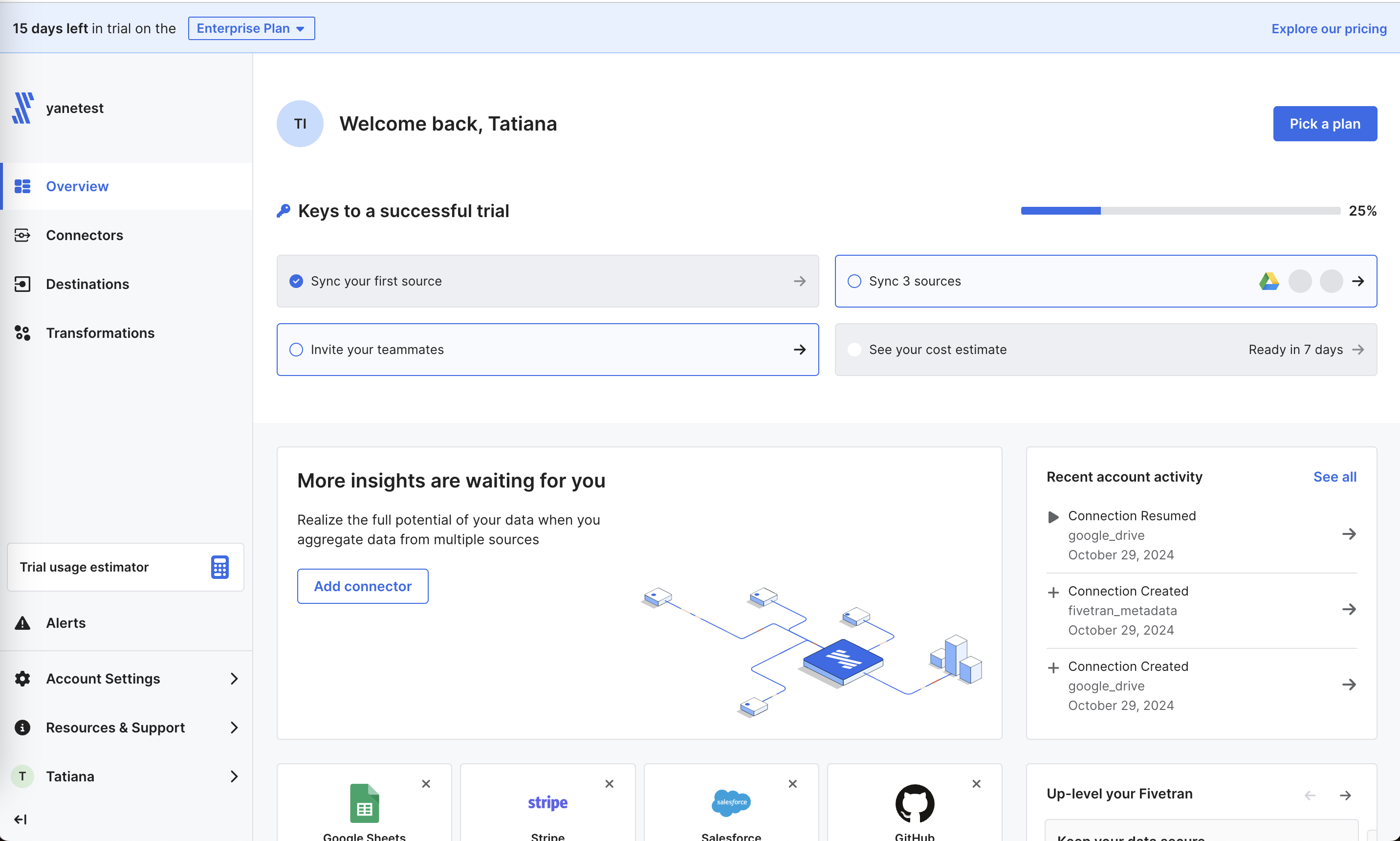
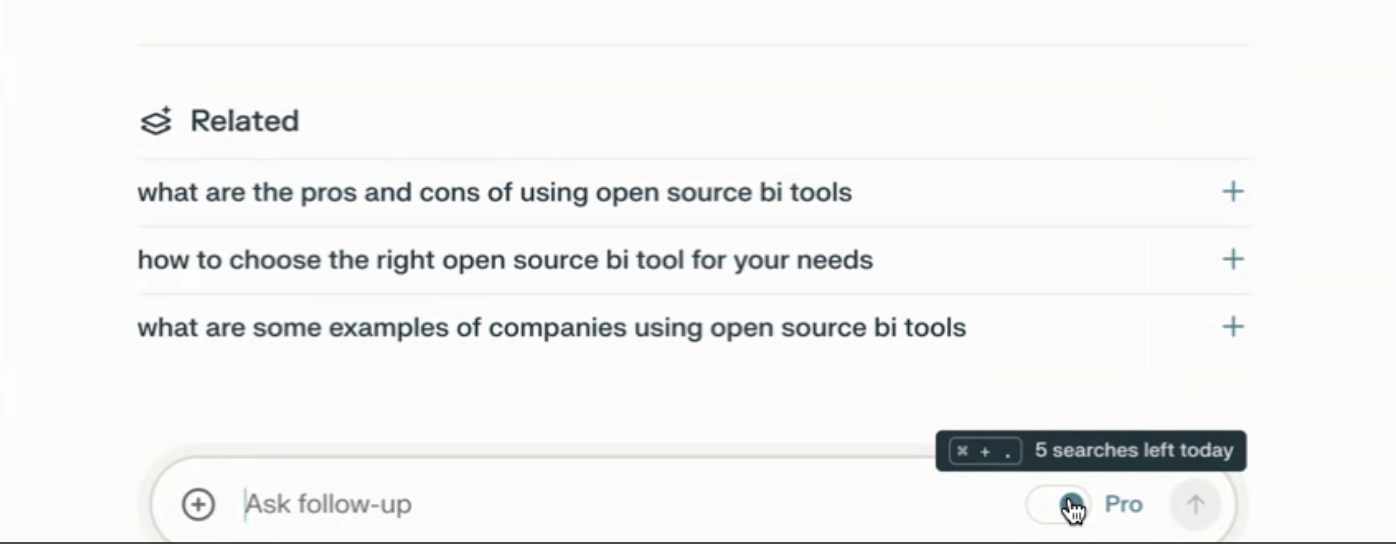
A habit is an action triggered by a context cue rather than a conscious goal. On this site the principle covers engagement loops, positive reinforcement and anticipation: teaching a keyboard shortcut at the moment it is useful, celebrating a small win, suggesting related questions after an answer, or giving a reason to come back in a week.
Wood and Neal (2007) describe habits as context-response links built slowly through repetition; once formed, the cue triggers the action with little thought. Lally and colleagues (2010) followed 96 people adopting a daily behavior. Among those whose data fit the model, reaching peak automaticity took a median of 66 days, with a very wide range (18 to an extrapolated 254 days), and missing a single day did not derail the process. Nir Eyal's Hooked popularized a product version of the loop: trigger, action, variable reward, investment.
For onboarding, the lesson is that the first session cannot create a habit; it can only start the repetition. Pick one action worth repeating, attach it to a cue the user already has, and make the first few repetitions easy and rewarding.
How to use it
- Pick the one repeatable action that delivers value (a search, a check-in, a shortcut) and teach it in context, not in a tour.
- Tie the action to an existing cue in the user's day or workflow (a new photo, a new branch, a morning reminder they chose).
- Give immediate, visible feedback on the first few repetitions, and suggest the next step so the loop continues.
Watch out
- Engineering compulsion with endless feeds, streak guilt or random rewards can raise short-term usage while hurting the user, and is often called out as manipulative.
- Expecting a habit in days sets the wrong goal; Lally's data suggest weeks to months, and the popular "21 days" figure is not supported.