The goal-gradient hypothesis comes from behaviorist Clark Hull, who observed in the 1930s that rats ran faster as they neared food. The product version: people speed up, and are less likely to quit, as the finish line gets closer, and what counts is how close it feels.
Kivetz, Urminsky and Zheng tested this with a real café loyalty card: members bought coffee more often as they approached a free one, with gaps between purchases shrinking by about 20% over the card. Customers given a 12-stamp card with 2 bonus stamps already filled finished the 10 purchases faster than those given a plain 10-stamp card. In a music-rating program, people rated more songs per visit and were less likely to stop as they neared the reward, and activity dropped right after each reward was earned.
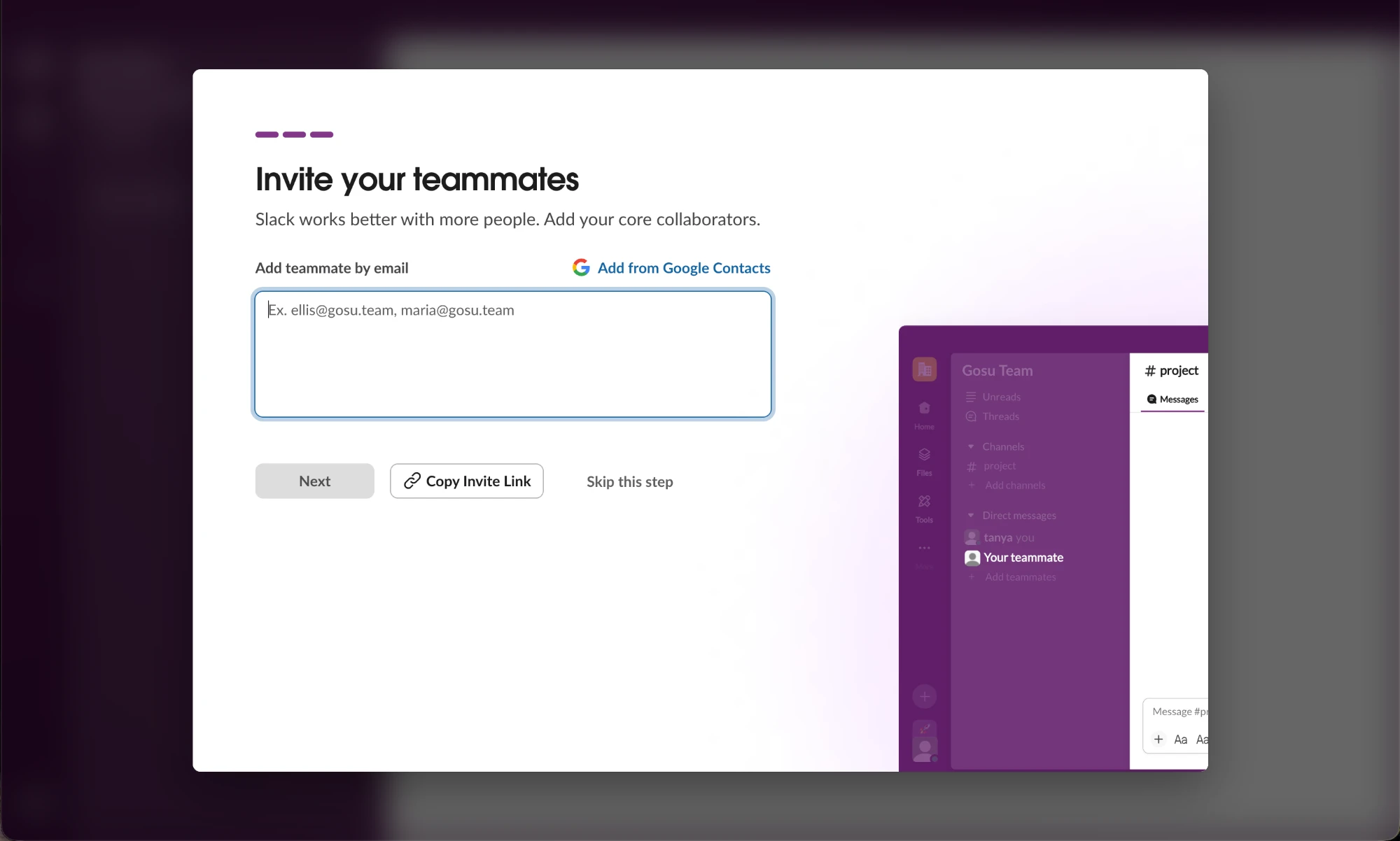
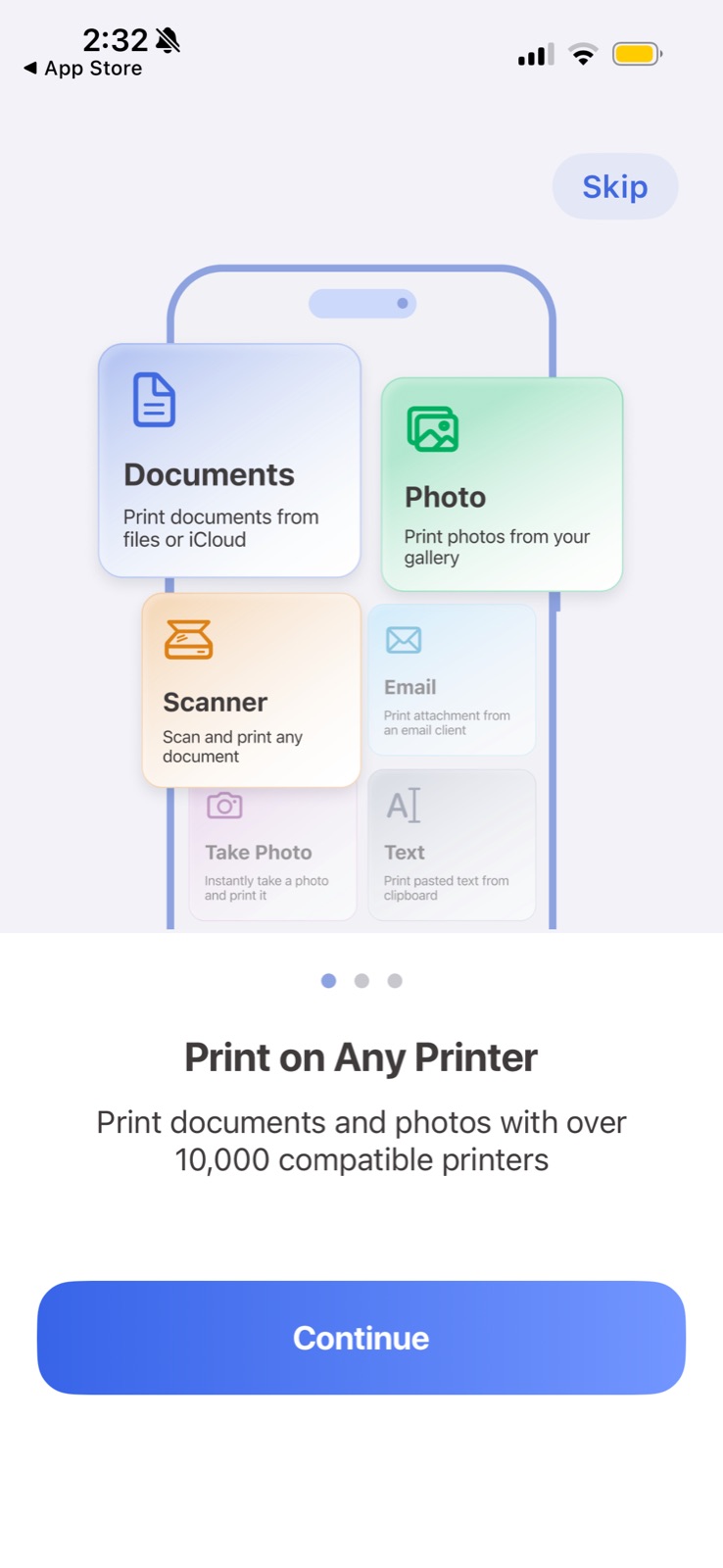
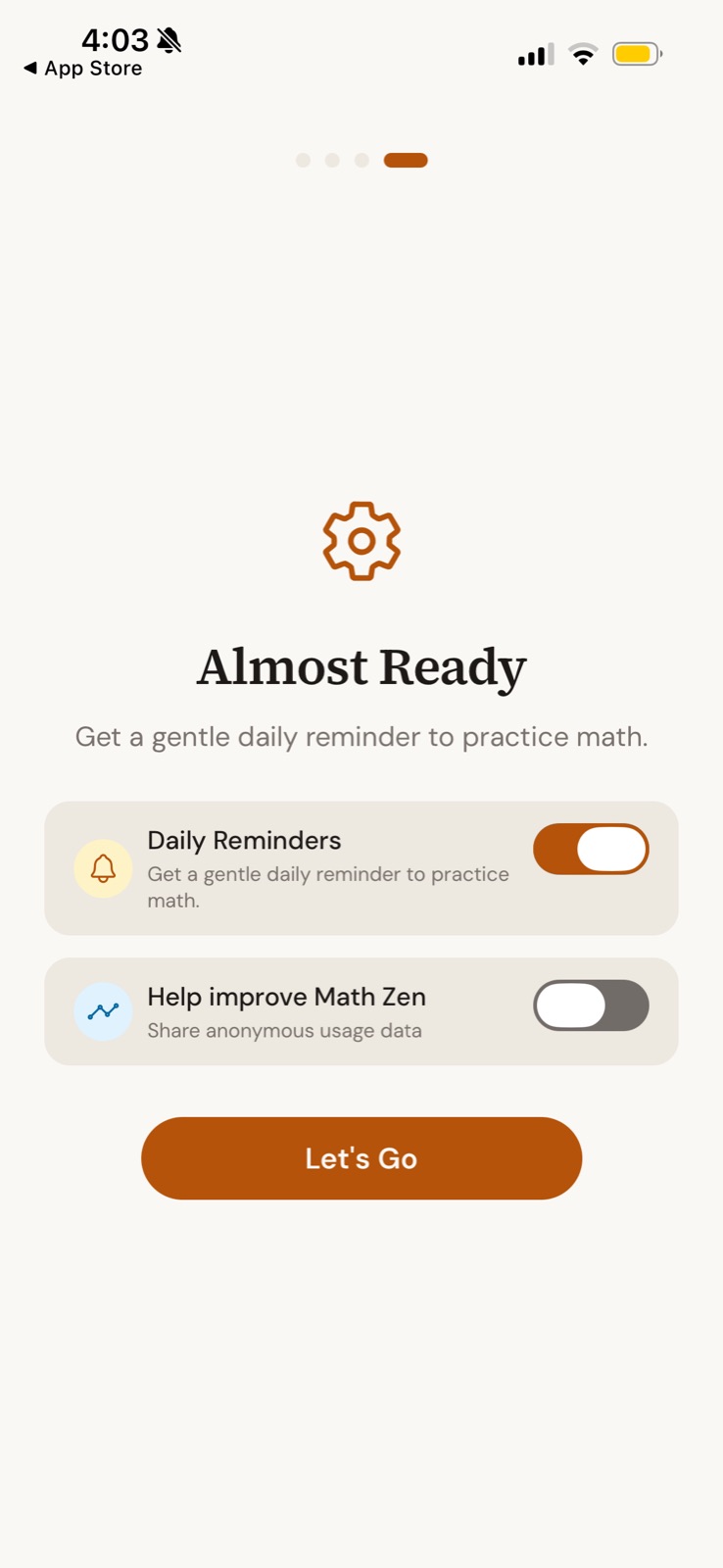
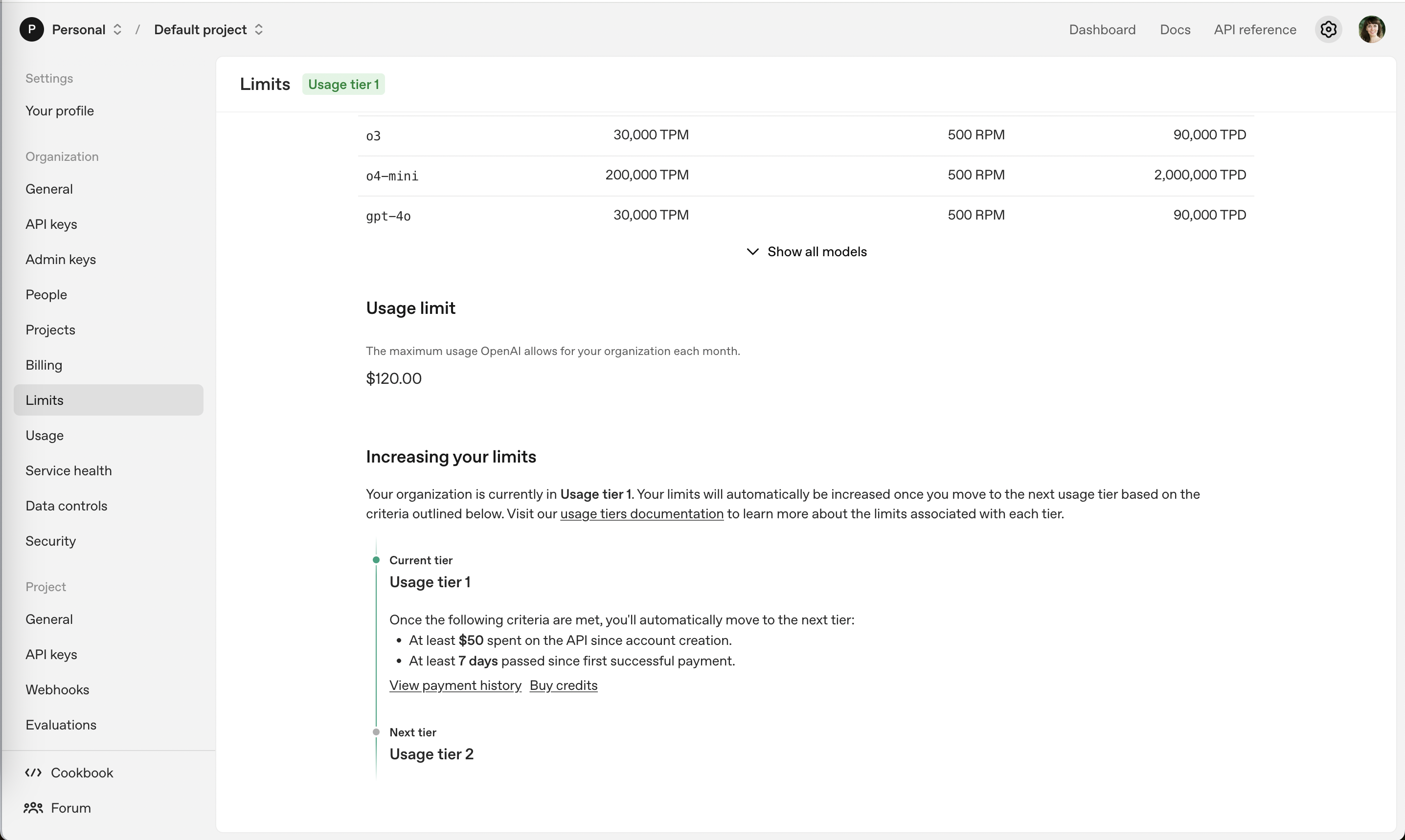
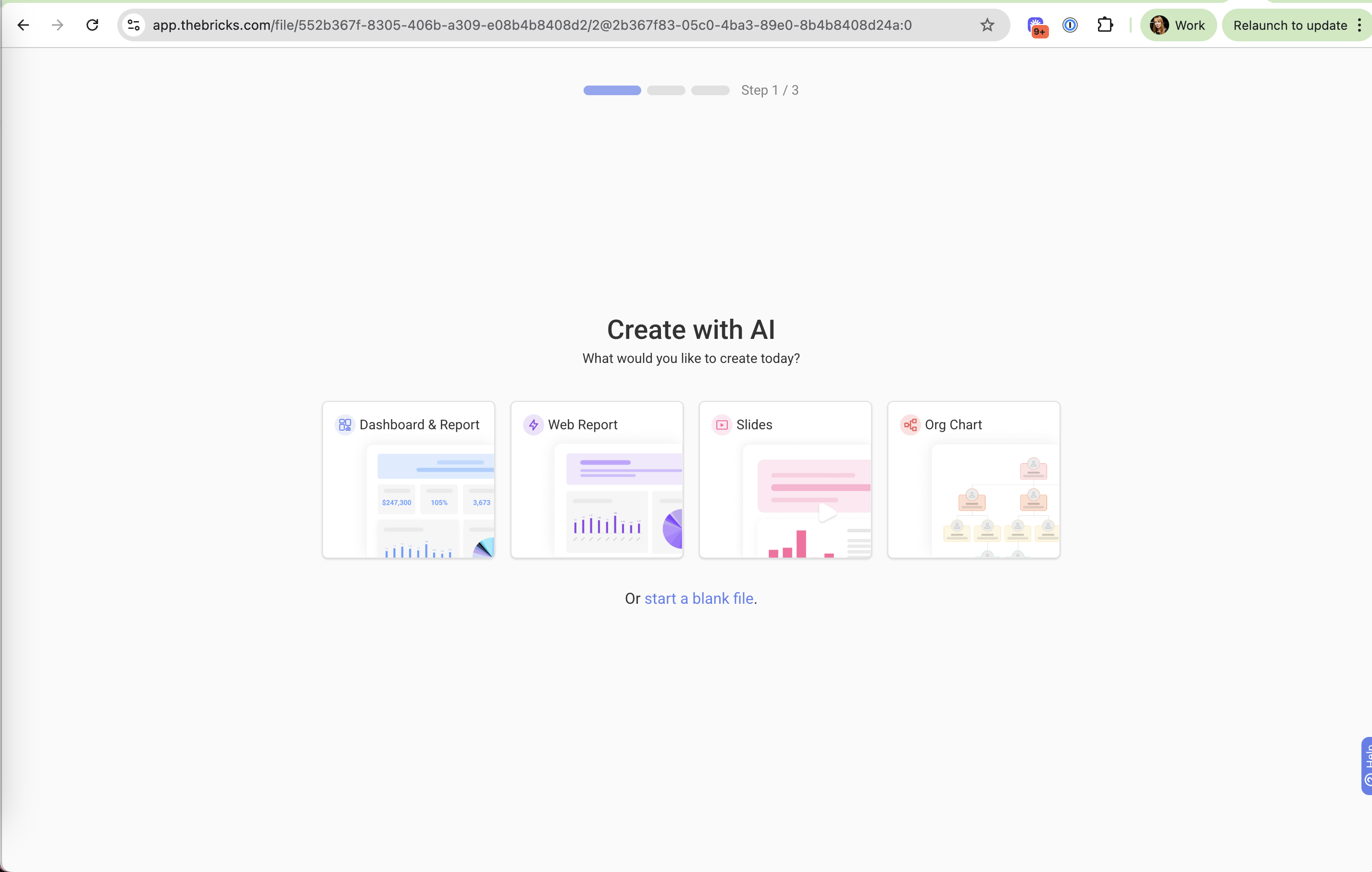
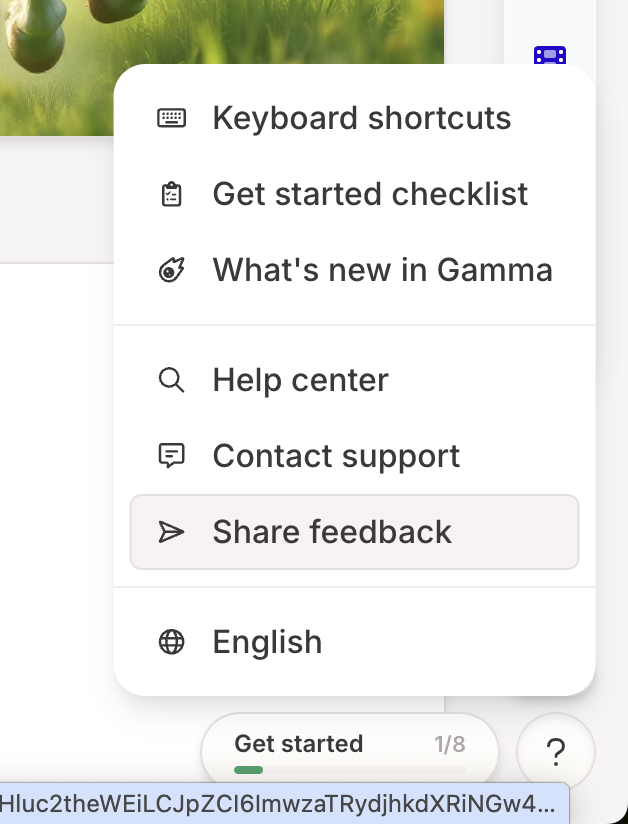
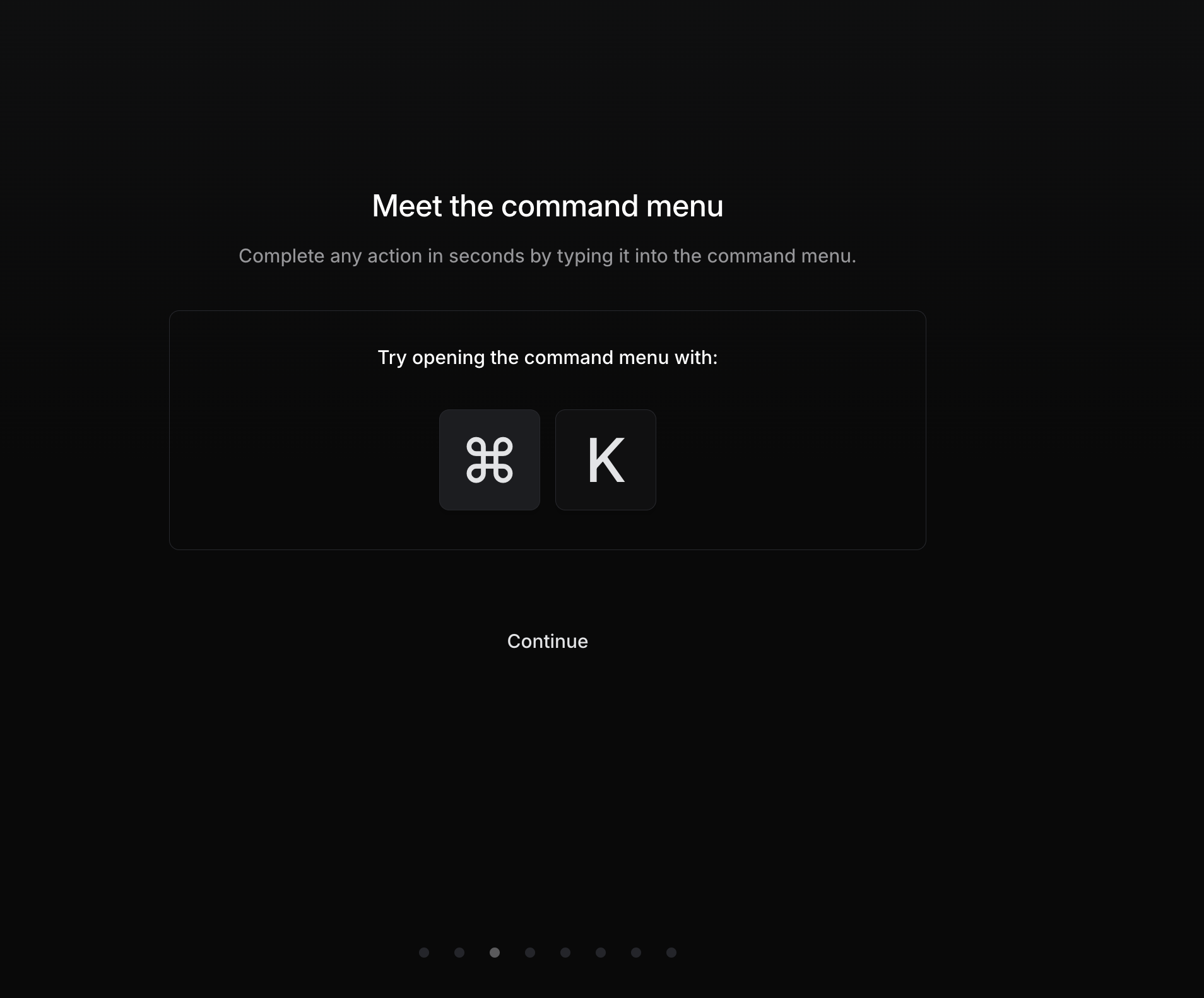
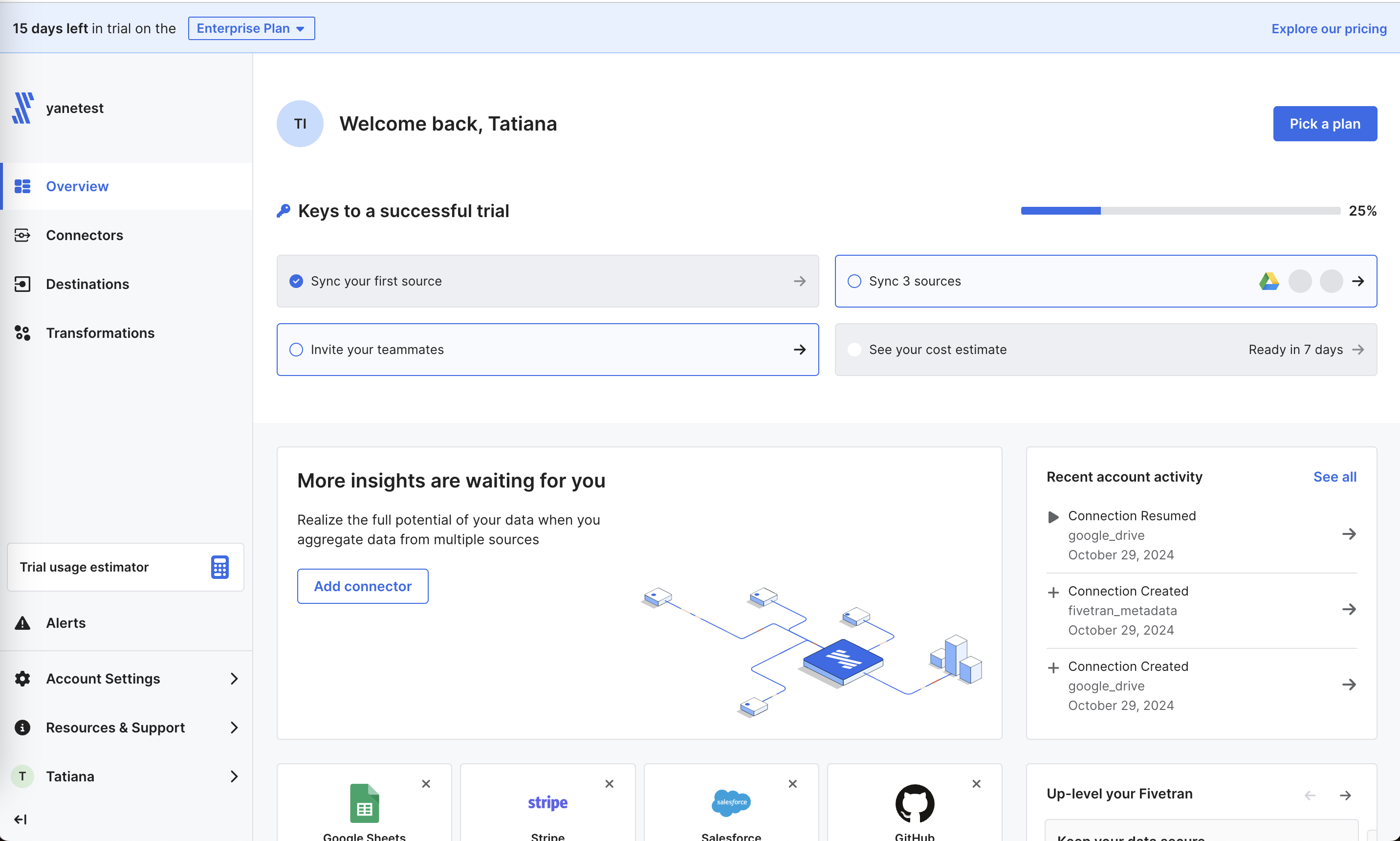
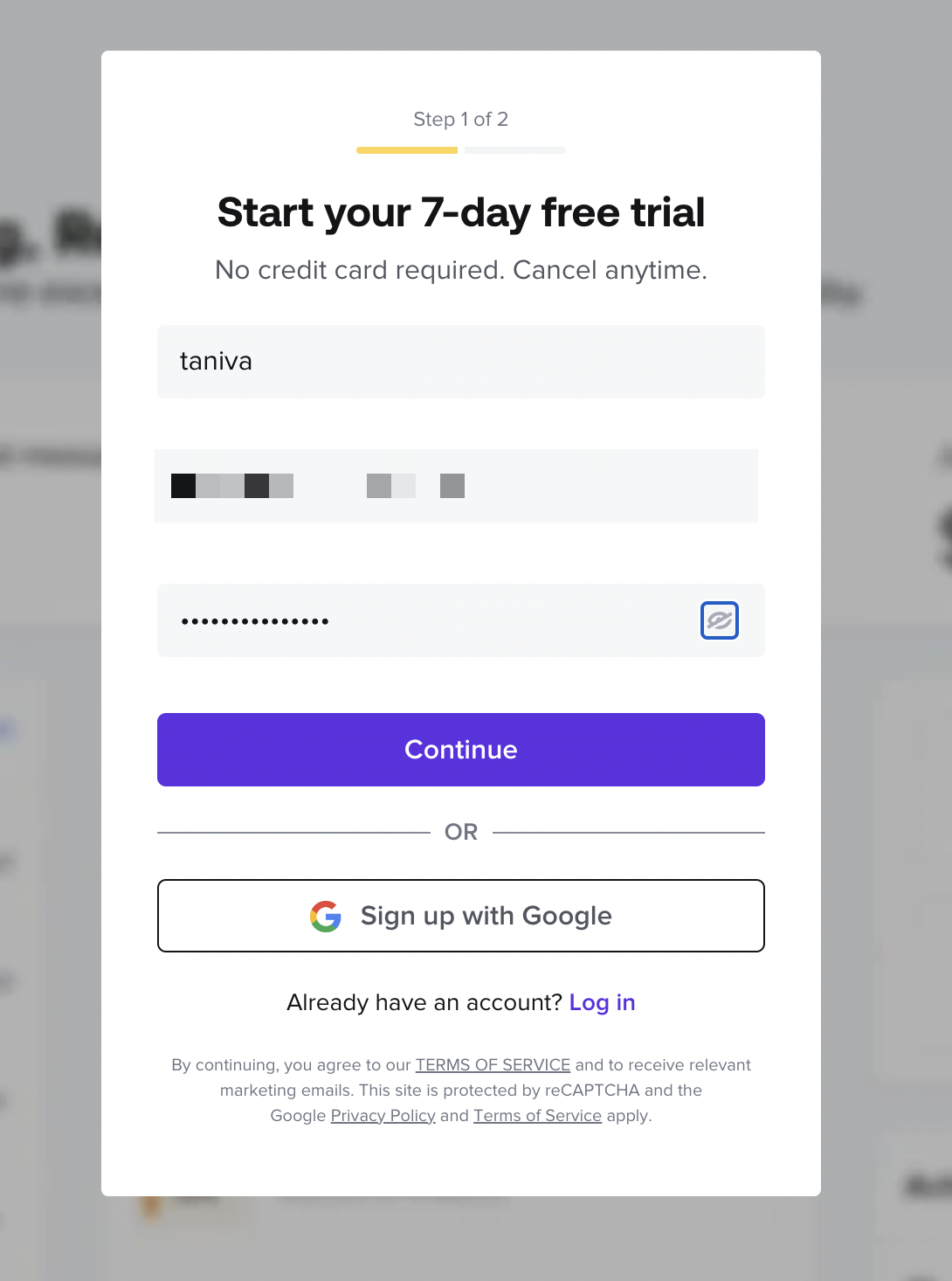
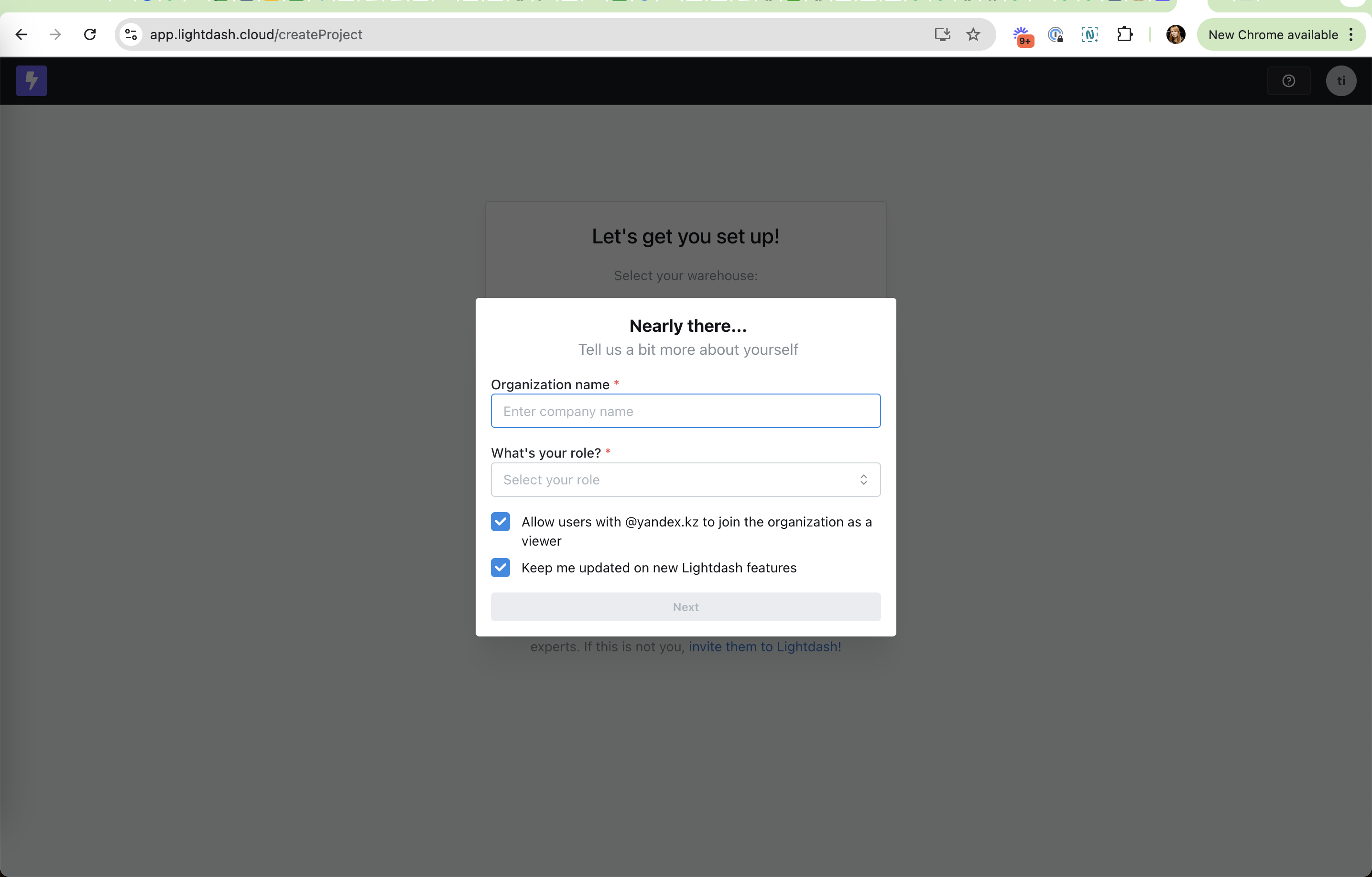
Short onboarding flows benefit when the end is visible: "Step 1 of 3", a checklist at 1/8, or a final dot labeled "Almost ready". Loyalty tiers and trial milestones work better with concrete criteria ("$50 spent, 7 days active") because users can see the distance. The flip side is the reset: right after a goal is reached, motivation dips, so the next goal should be shown immediately.
How to use it
- Show the number of steps and the current step in onboarding, and keep the total short enough to look finishable.
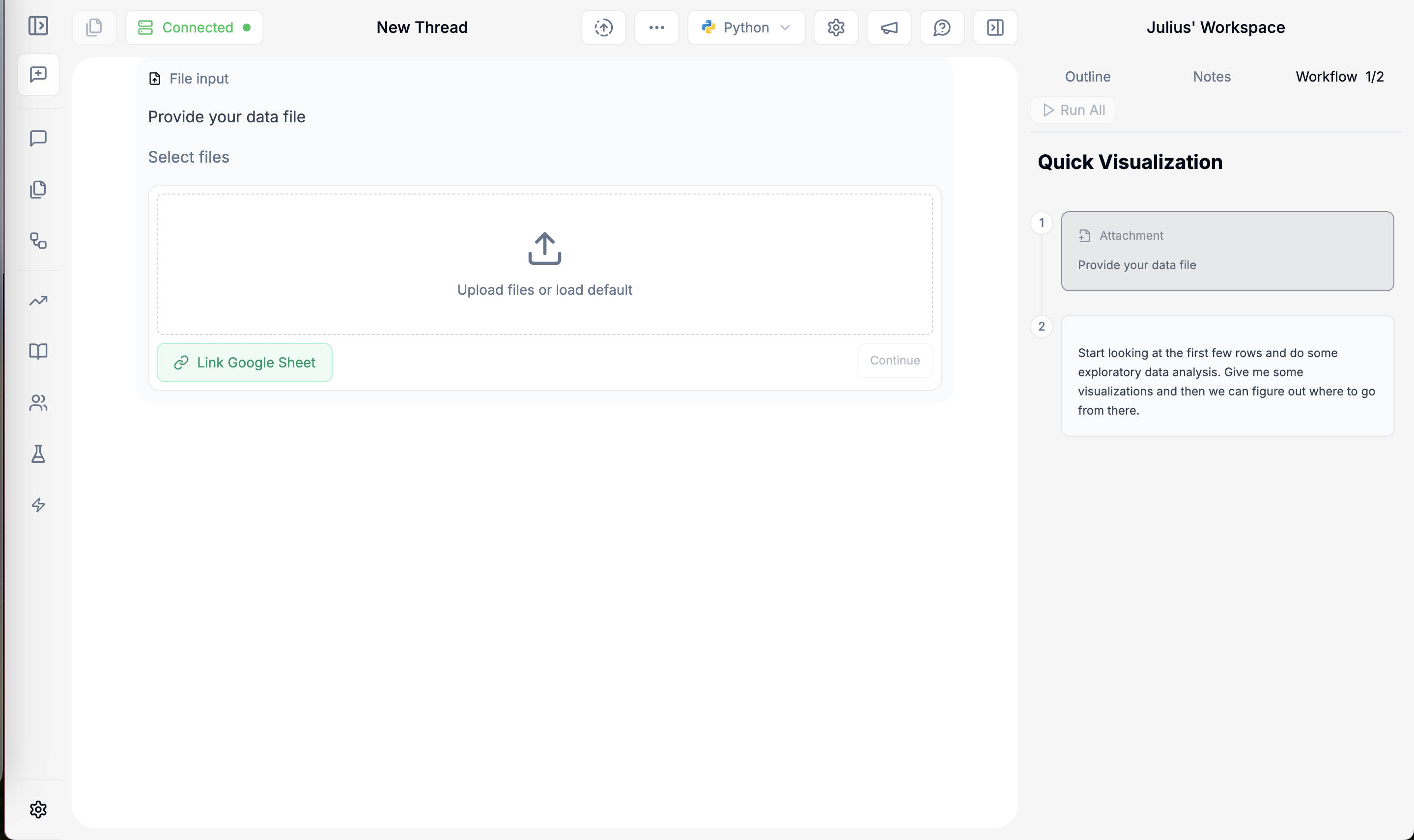
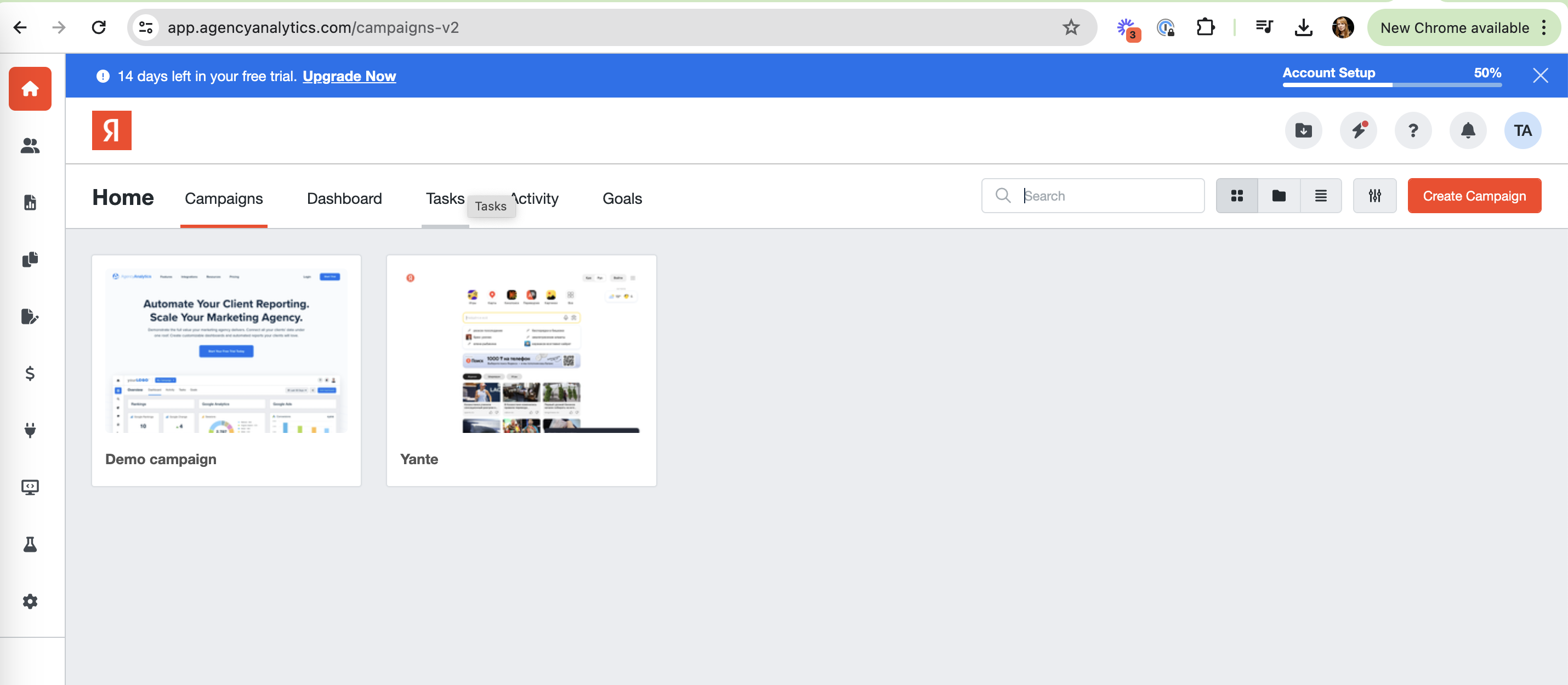
- Count completed setup as progress (an account created, a profile started) so the bar does not start at zero.
- When a user finishes a goal, show the next one right away with its concrete criteria.
Watch out
- Fake or stretched progress (a bar that jumps to 90% and then asks for ten more fields) feels like a trick once noticed.
- Long checklists that start at 1/12 can do the opposite and make the goal feel far away.