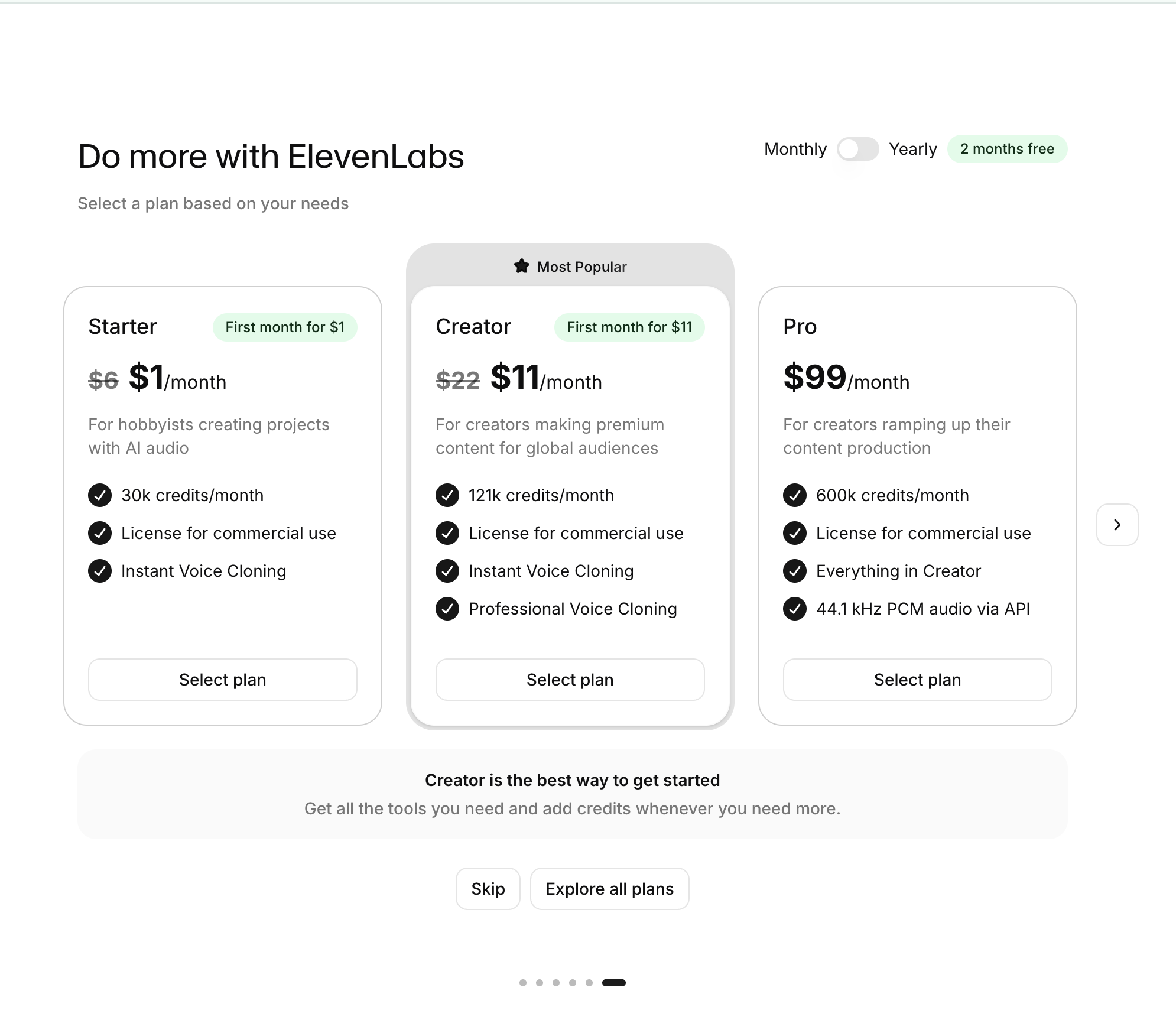
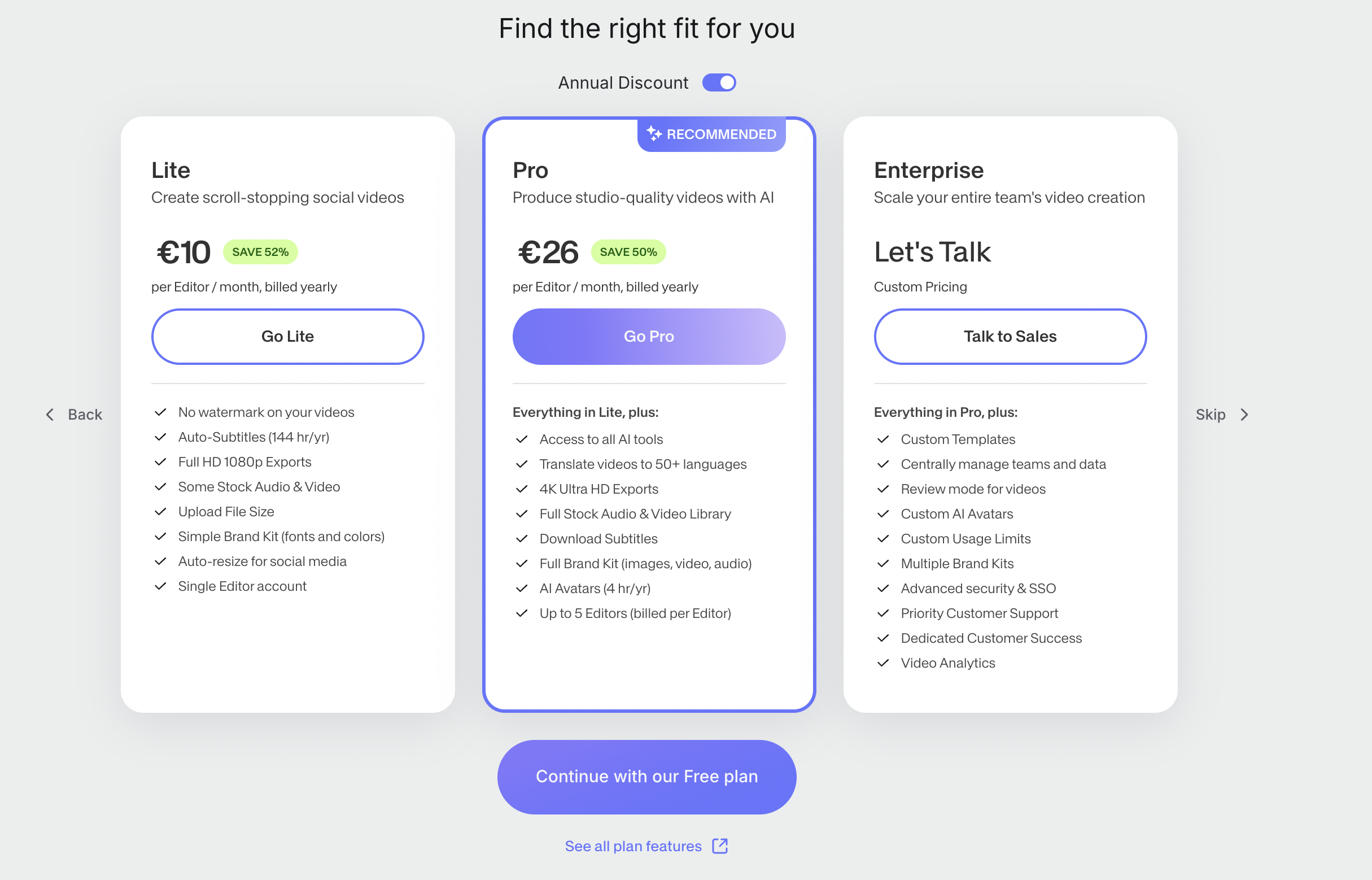
The decoy effect (also called the attraction or asymmetric dominance effect) happens when a third option is added that is beaten on every dimension by one option but not by the other. The option that dominates the decoy gains share. On this site it also covers the center-stage effect and asymmetric choice: a $99 plan that makes the $11 plan look cheap, a Lifetime price that makes Annual look modest, a badged middle plan.
Huber, Payne and Puto (1982) first showed that adding such a dominated option increased the share of the option it resembled, which breaks a basic assumption of rational choice. The effect's strength is debated: Frederick, Lee and Baskin (2014) failed to find it in many studies with realistic, non-numeric products, while Huber, Payne and Puto replied that it holds when the original conditions are replicated. It appears most reliably when options are compared on clear numbers, which is exactly how pricing tables are built. Separately, Valenzuela and Raghubir (2009) found people tend to pick the middle option in a row, partly because they assume it is the popular one.
On plan pickers, the decoy is usually a high anchor or a plan that is obviously poor value. It can help people choose a plan that fits, but only if the plan it pushes is a fair deal.
How to use it
- Show plans side by side with the same attributes in the same order, so the comparison is easy.
- Place the plan you recommend where it benefits from comparison (often the middle) and mark it clearly.
- Test a high-end or lifetime option as an anchor, and measure whether it changes mix, not just whether anyone buys it.
Watch out
- A decoy that exists only to push an overpriced plan, with no real buyers, misleads people about value.
- The effect is weaker than pop accounts suggest; do not rely on it instead of a clear value story.