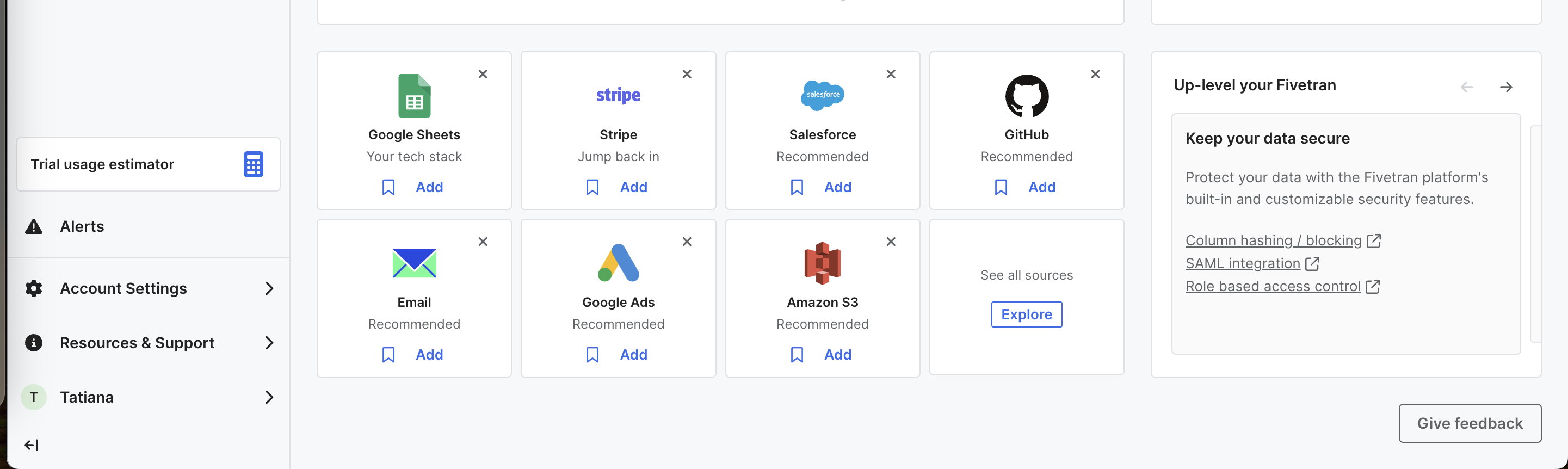
Psychologist Bluma Zeigarnik reported in the 1920s that people remembered interrupted tasks better than finished ones. A related finding by Maria Ovsiankina is that people tend to go back and finish tasks that were interrupted. In products, this is the logic behind "Jump back in" and "Finish setting up" prompts.
The memory claim is weaker than its popularity suggests. A 2025 meta-analysis by Ghibellini and Meier found no general memory advantage for unfinished tasks, but did find that people resumed interrupted tasks about two-thirds of the time, above chance. Masicampo and Baumeister showed that unfinished goals keep intruding on thought, and that making a specific plan for the goal removed that effect.
For onboarding, the useful part is resumption: a half-finished setup is a reason to come back if the product makes it visible and easy to pick up. Showing what was started, what is left, and a single button to continue works better than a generic reminder.
How to use it
- Save partial setup and show it on return as a named, resumable item ("Stripe setup: 2 of 3 steps done").
- Make the continue action one click and drop the user exactly where they left off.
- Pair the reminder with a concrete next step or a scheduled time, which turns a nagging open loop into a plan.
Watch out
- Manufacturing open loops (endless checklists, badges that never clear) to drive engagement creates guilt, not value.
- Overstating the research: unfinished tasks are not reliably better remembered; rely on clear resumption cues, not the effect alone.