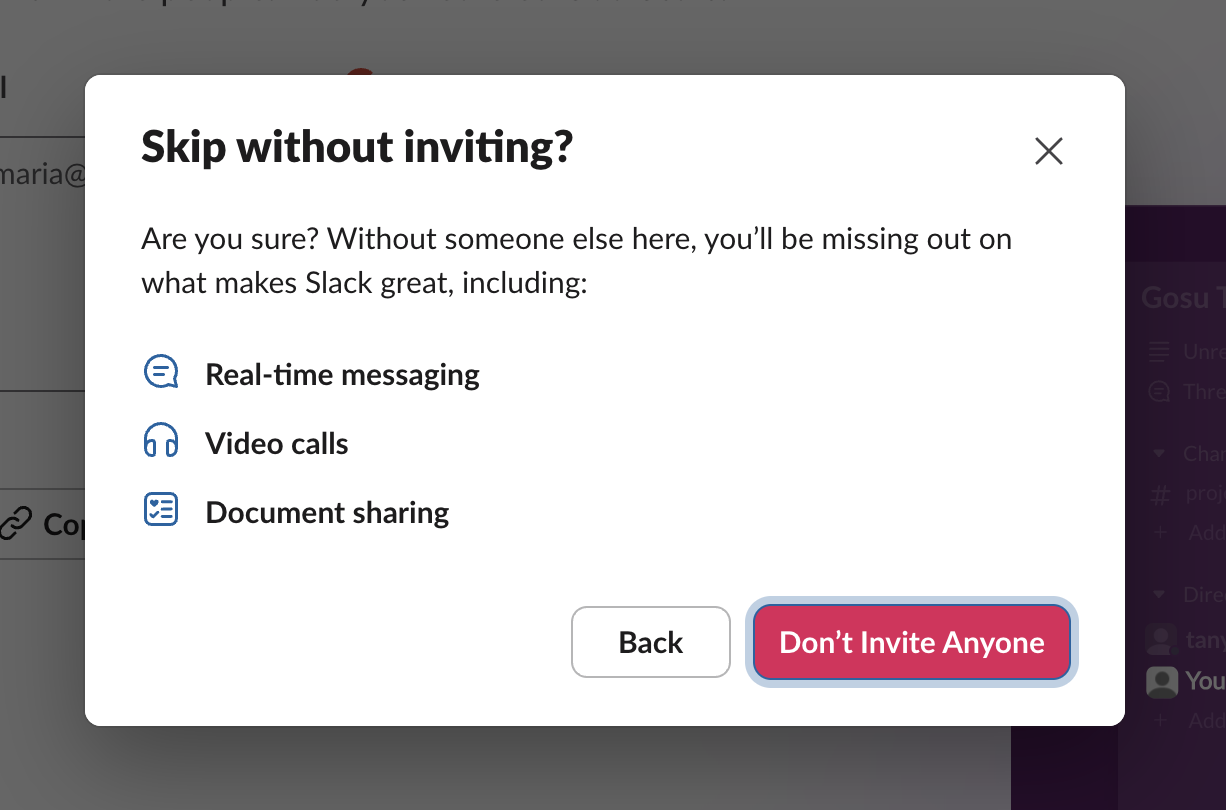
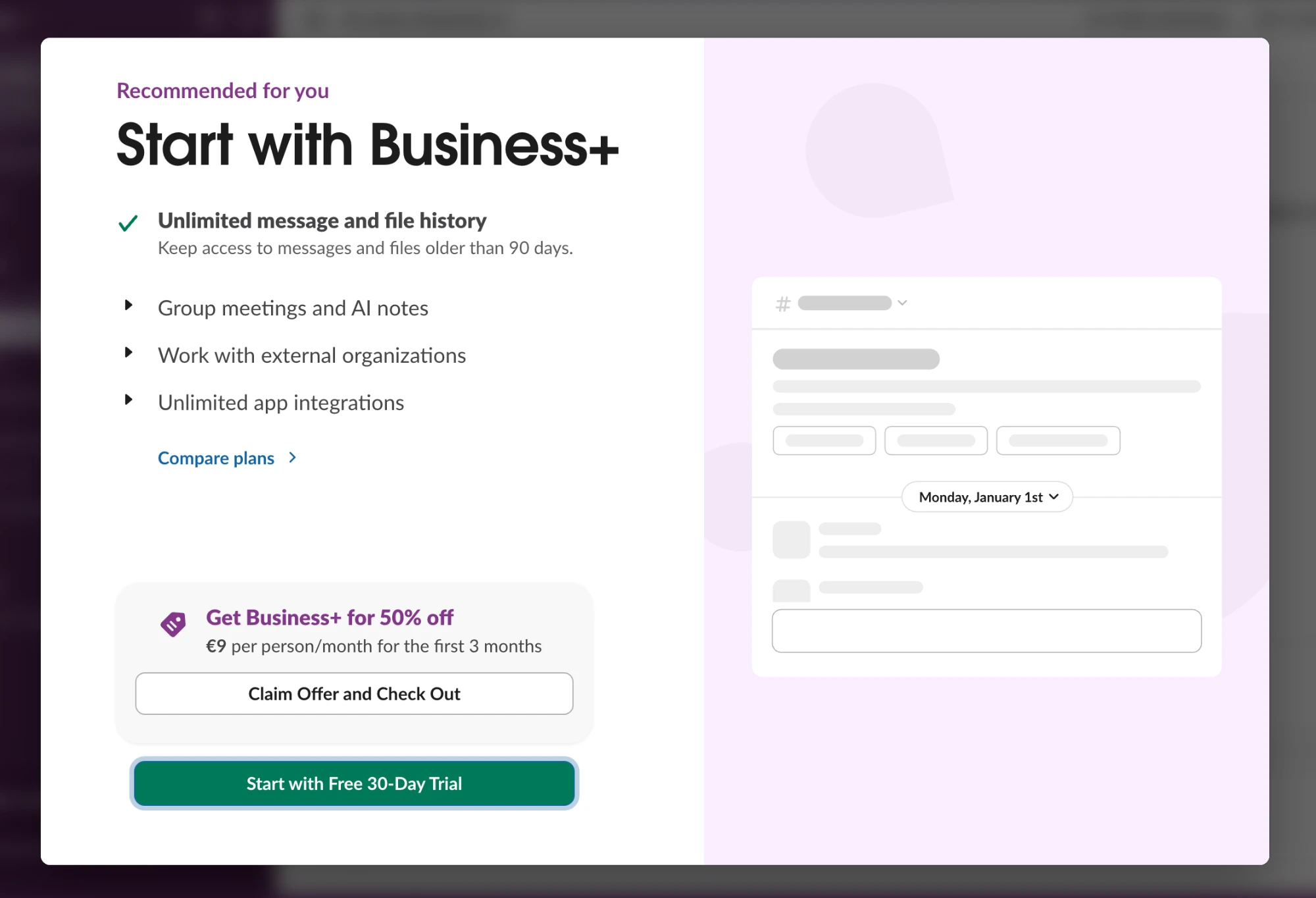
Loss aversion is the idea that losing something feels worse than gaining the same thing feels good. In product terms, "you'll lose your history after 90 days" usually motivates more than "get unlimited history", even though they describe the same upgrade.
Kahneman and Tversky's prospect theory (1979) built it into a model of choice: people judge outcomes as gains or losses from a reference point, and the value curve is steeper for losses. A 2020 replication across 19 countries and 4,098 participants (Ruggeri and colleagues) reproduced most of prospect theory's patterns, with some weakening. The size and reach of loss aversion are debated, though: Gal and Rucker (2018) argued many classic results have other explanations, and its strength varies with the stakes and the setting.
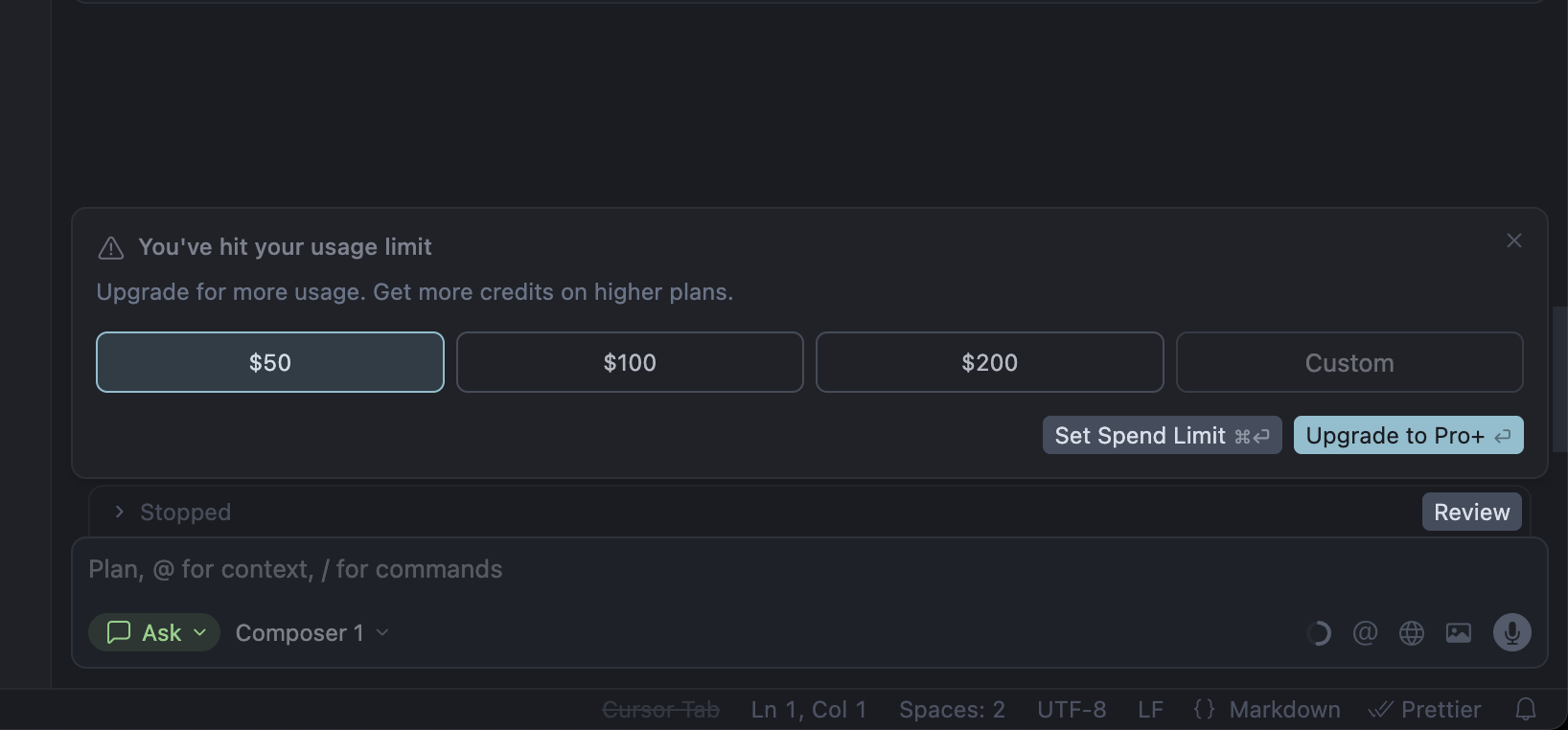
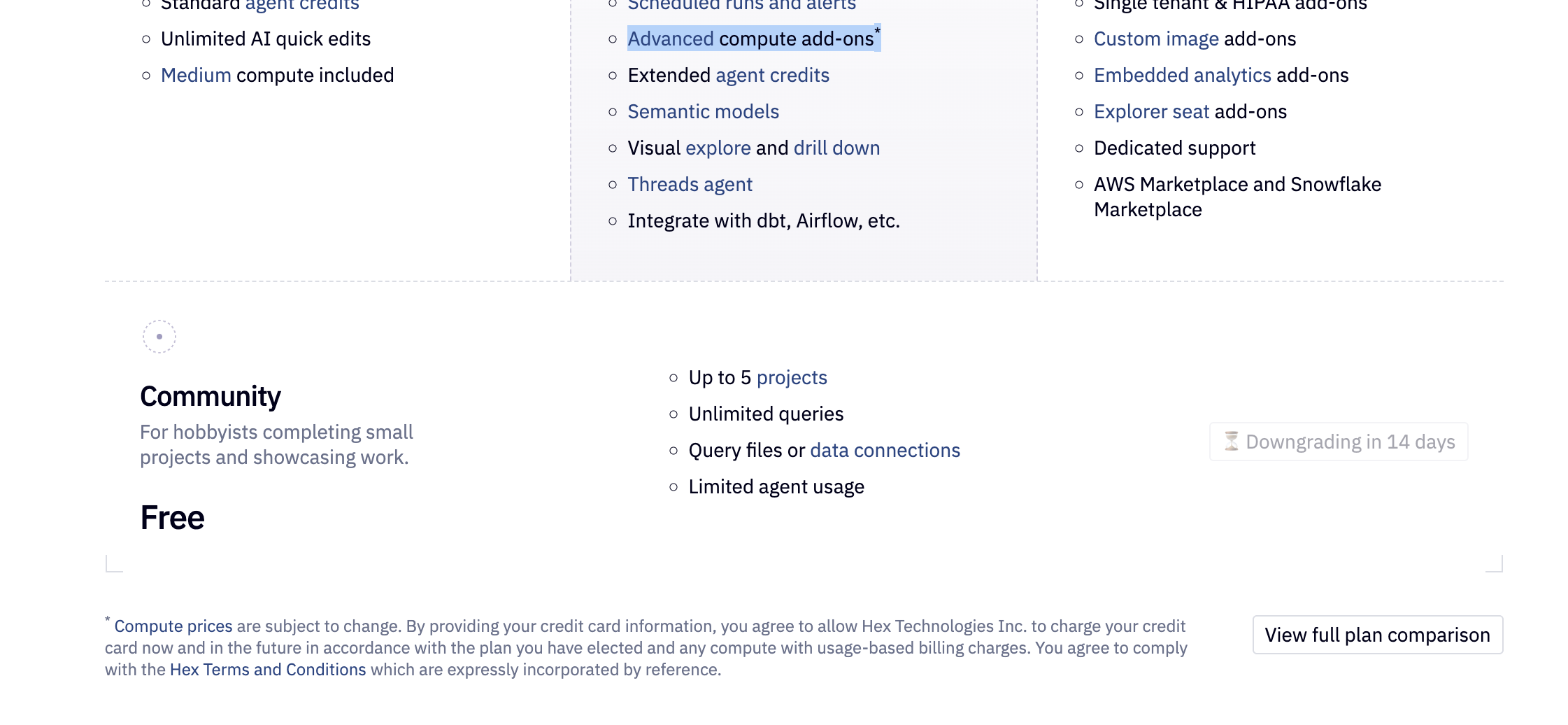
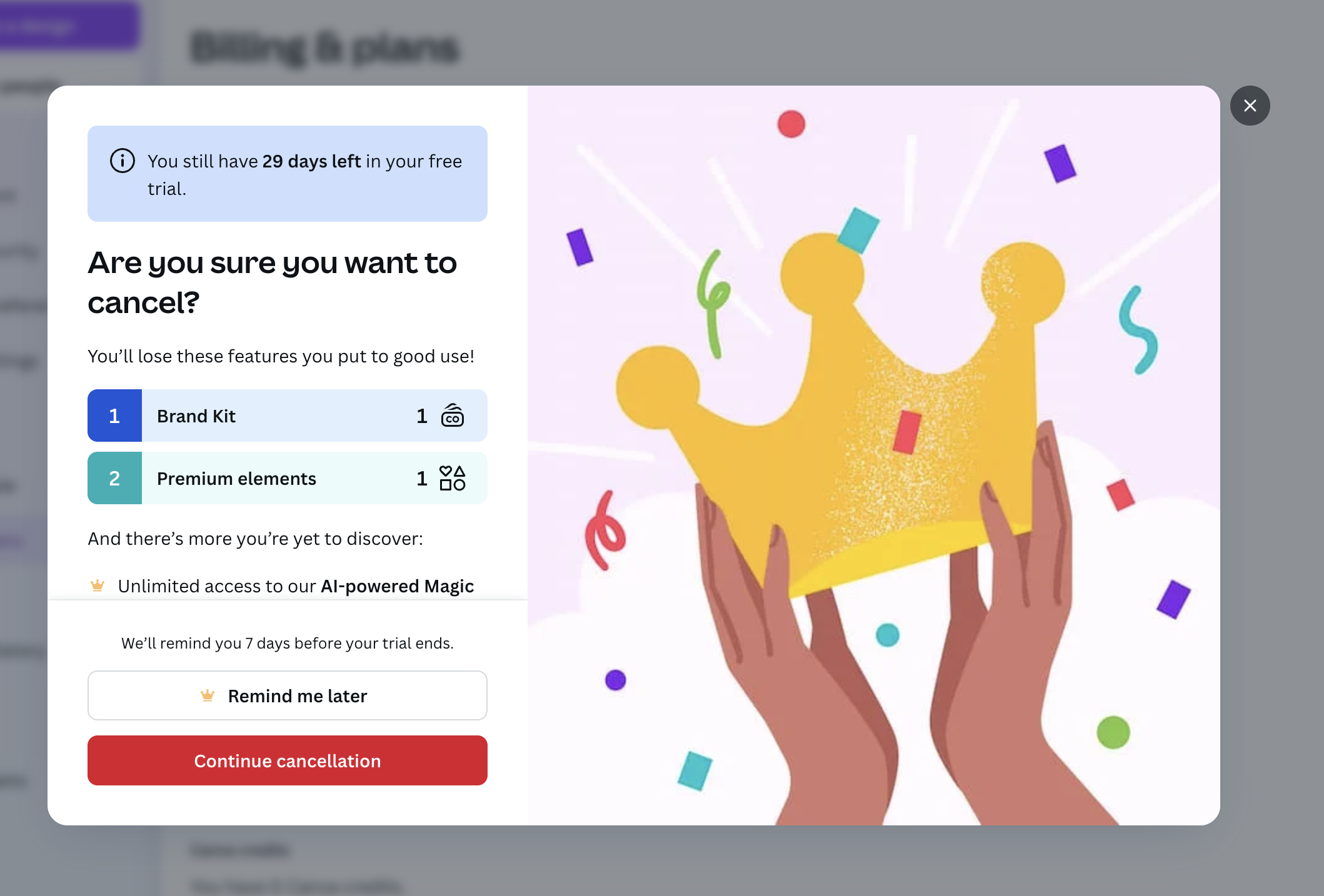
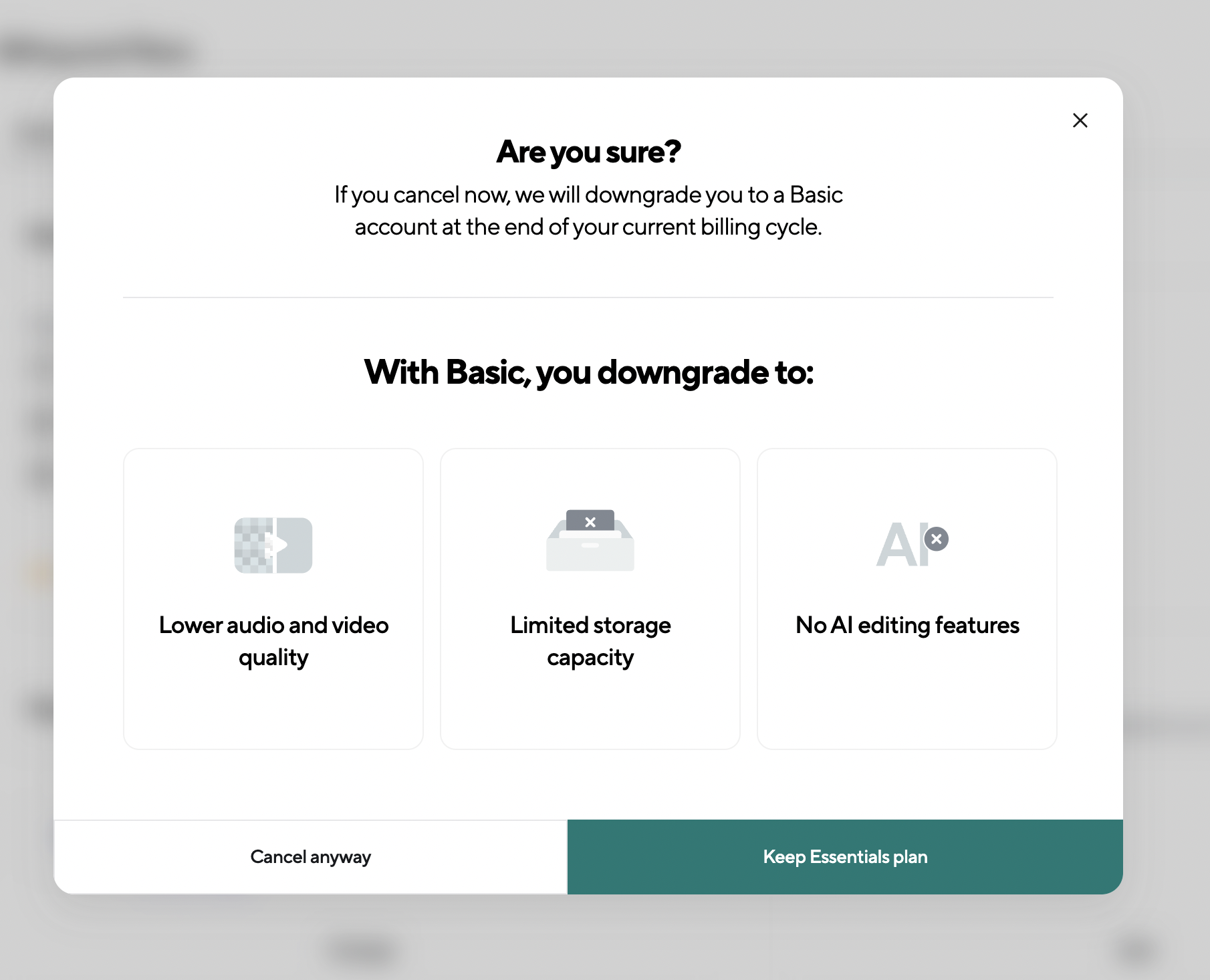
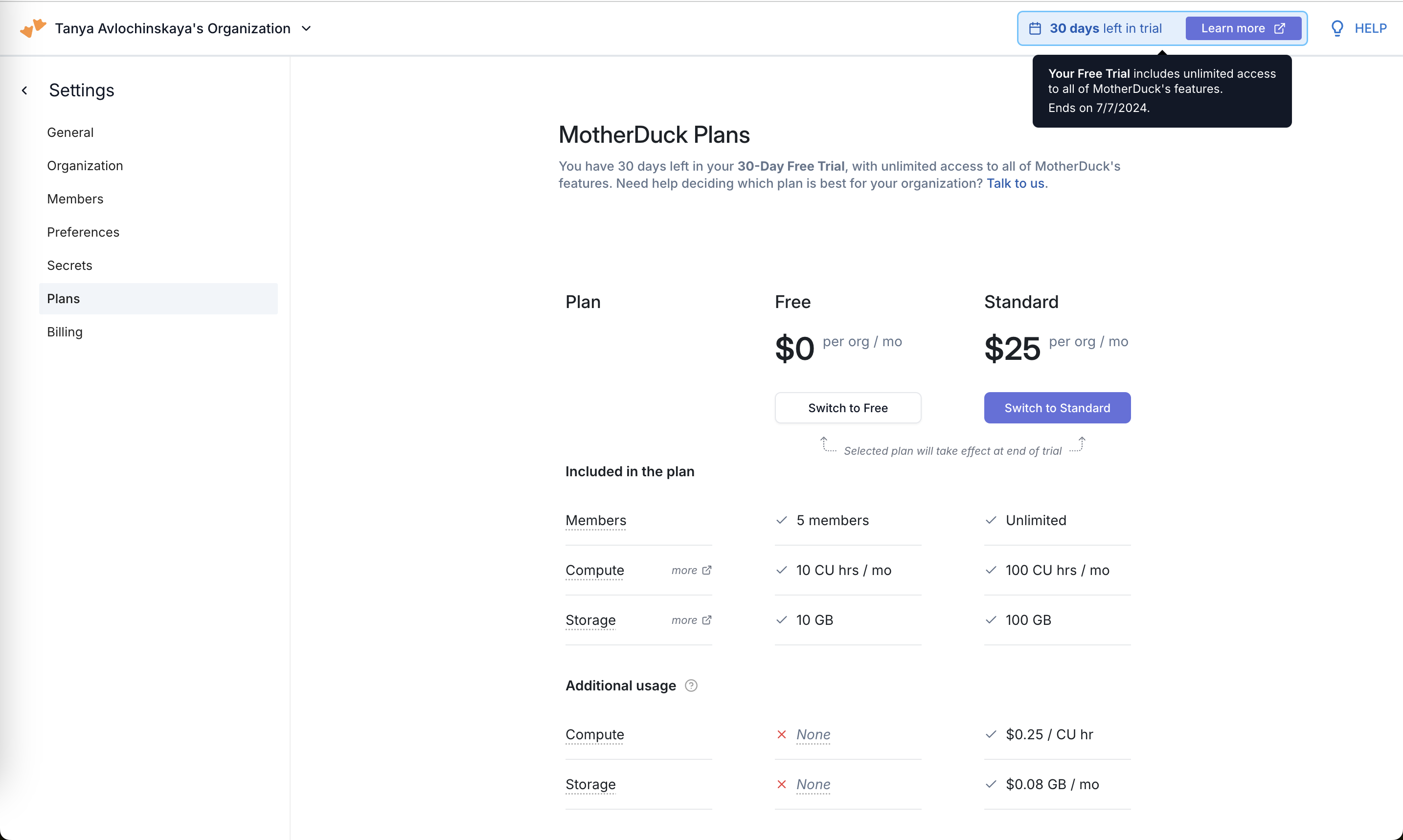
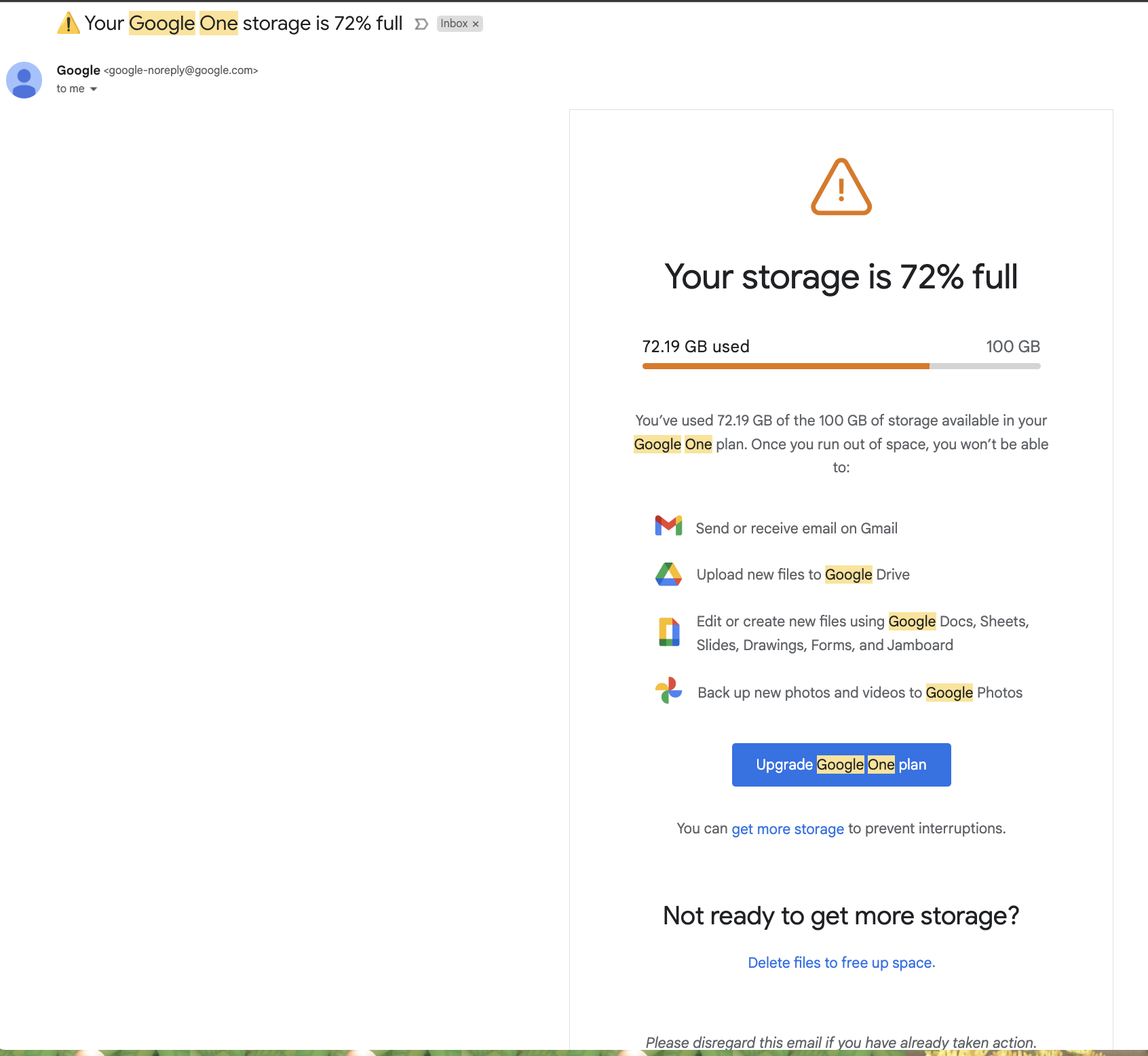
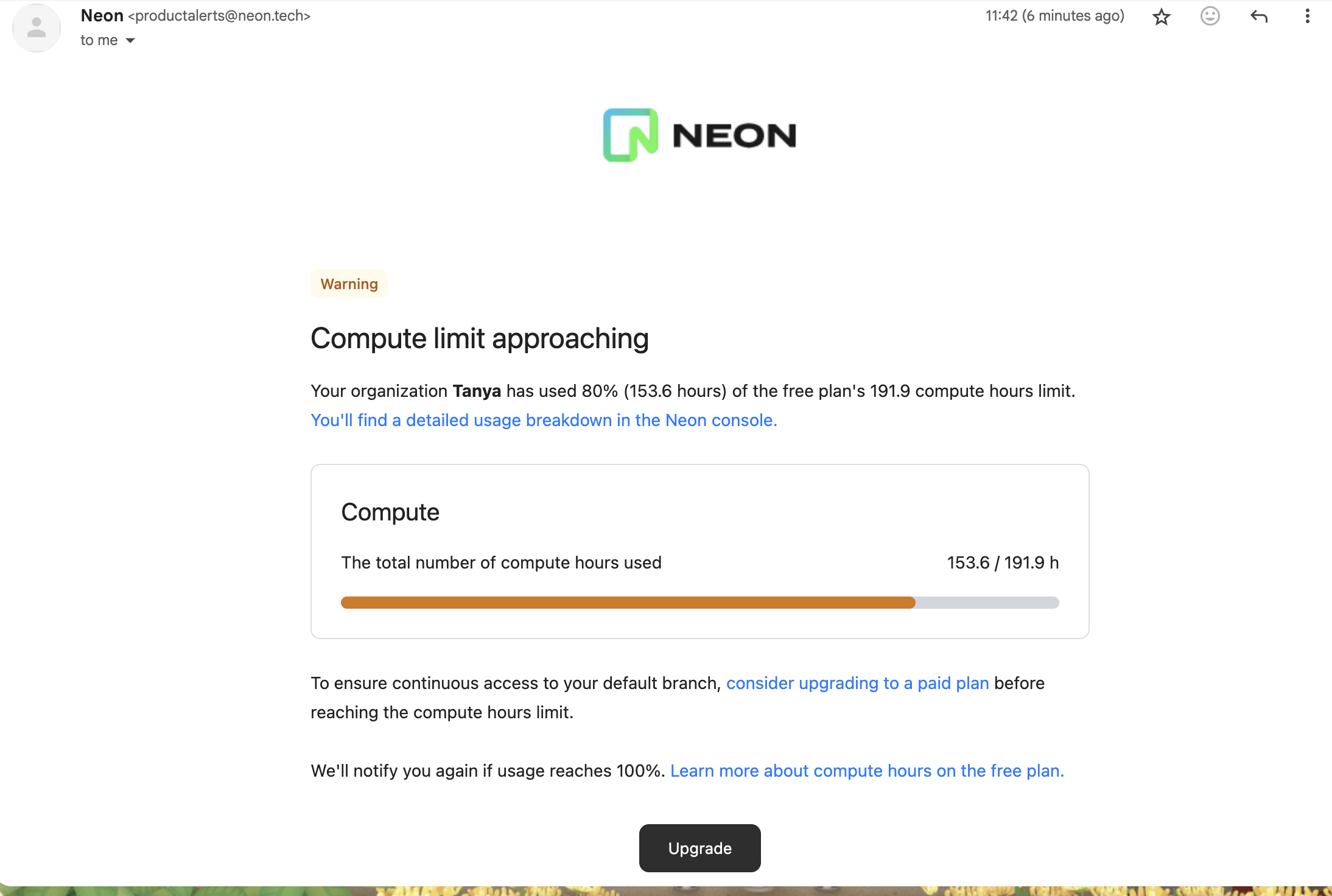
On paywalls and trial-end screens, loss framing works when the loss is real and specific: the features you will stop having, the trial days left, the work that stopped because a quota ran out. Vague threats ("to ensure continuous access") don't trigger it, because users can't picture what they would lose.
How to use it
- Name the exact thing a user will lose and when ("history older than 90 days will be hidden on June 3").
- Show the user's own at-risk work, such as a stopped run or an unsynced project, next to the upgrade or renewal option.
- On downgrade or cancel screens, list what changes plainly, including what the user keeps.
Watch out
- Threatening losses that won't actually happen, or exaggerating them, tips into a dark pattern and erodes trust.
- Confirmshaming ("No thanks, I like losing customers") uses loss framing to guilt users rather than inform them.