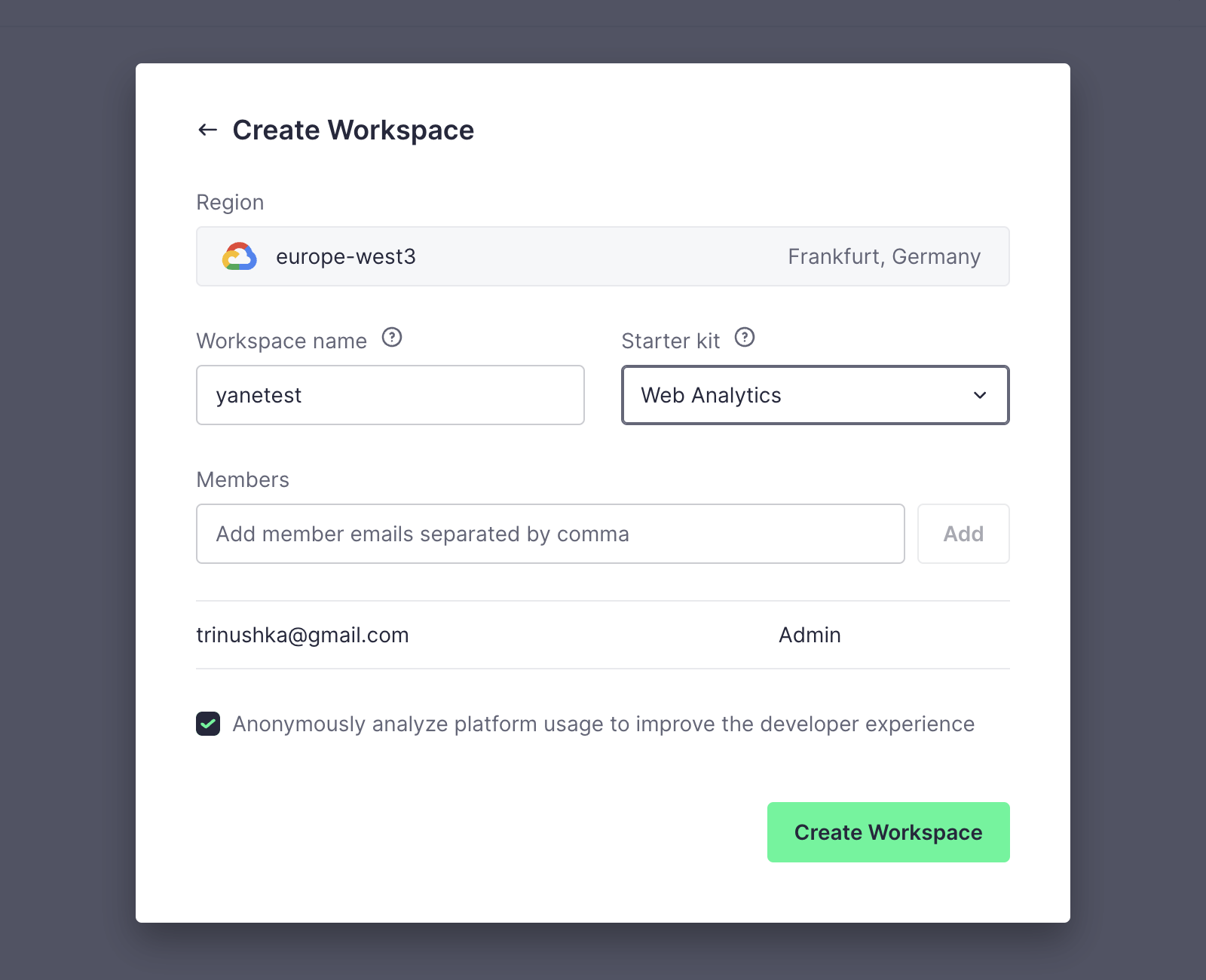
A network effect exists when each new user makes the product better for the others: more colleagues in a workspace, more people to message, more templates to share. On this site the term also covers the growth loops that build the network: invites, domain auto-join, shareable links and two-sided referral rewards.
Katz and Shapiro's 1994 review of systems competition describes how, in markets like communications networks and hardware/software platforms, widely adopted products are worth more to each user, which shapes adoption and competition. The venture firm NFX separates network effects, which make a product harder to leave, from viral effects, which bring in users for free; many onboarding tactics do both.
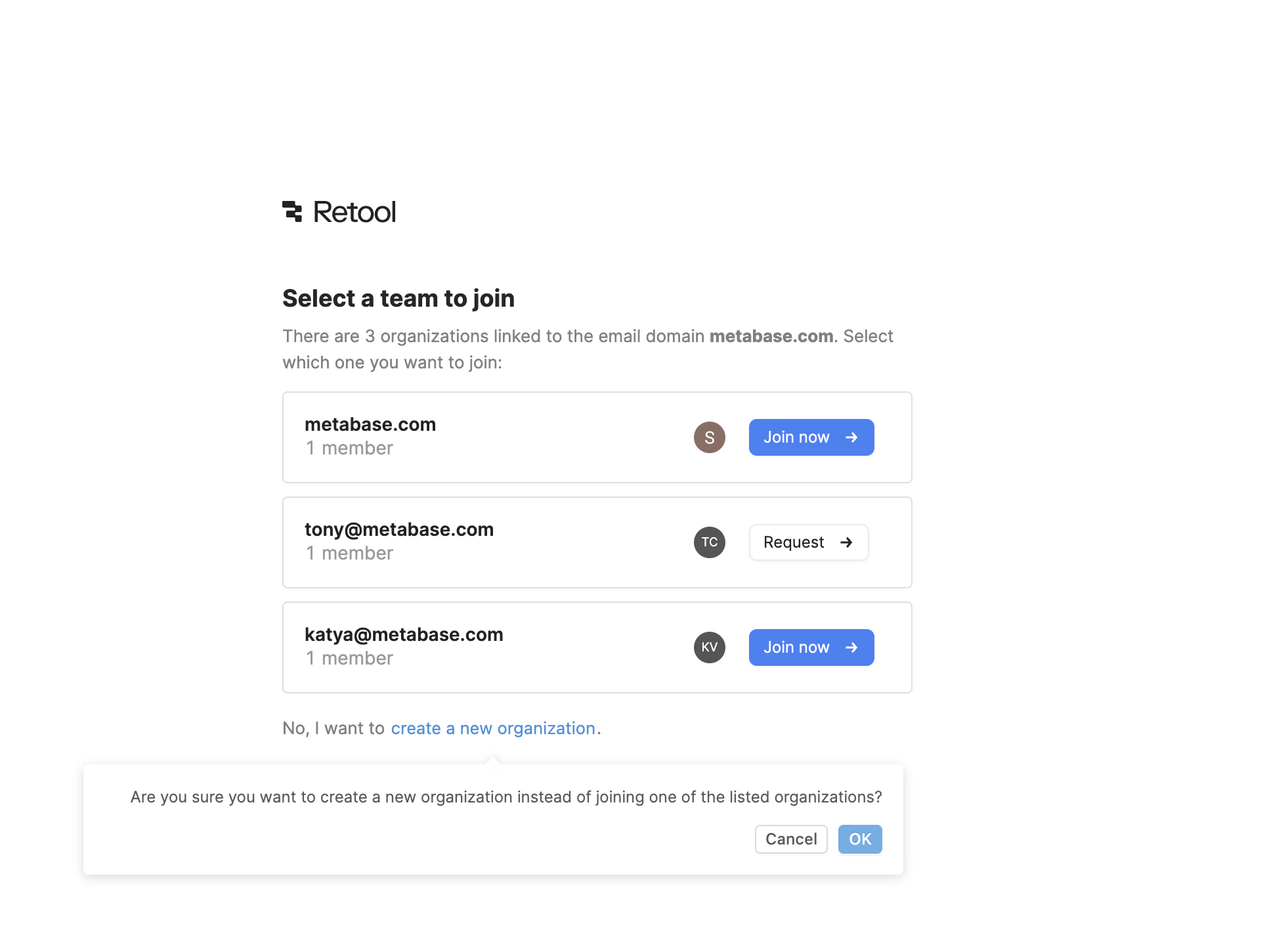
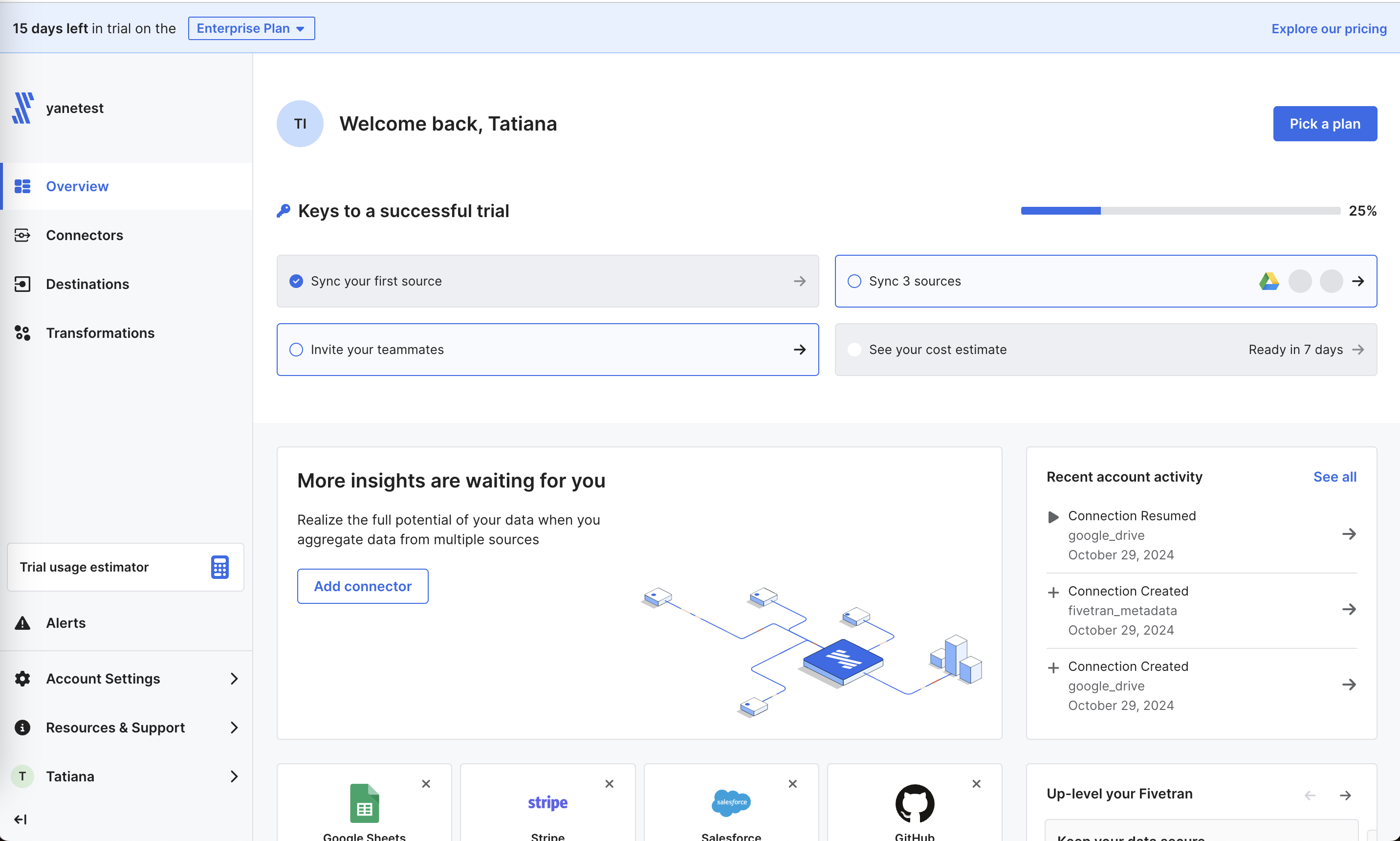
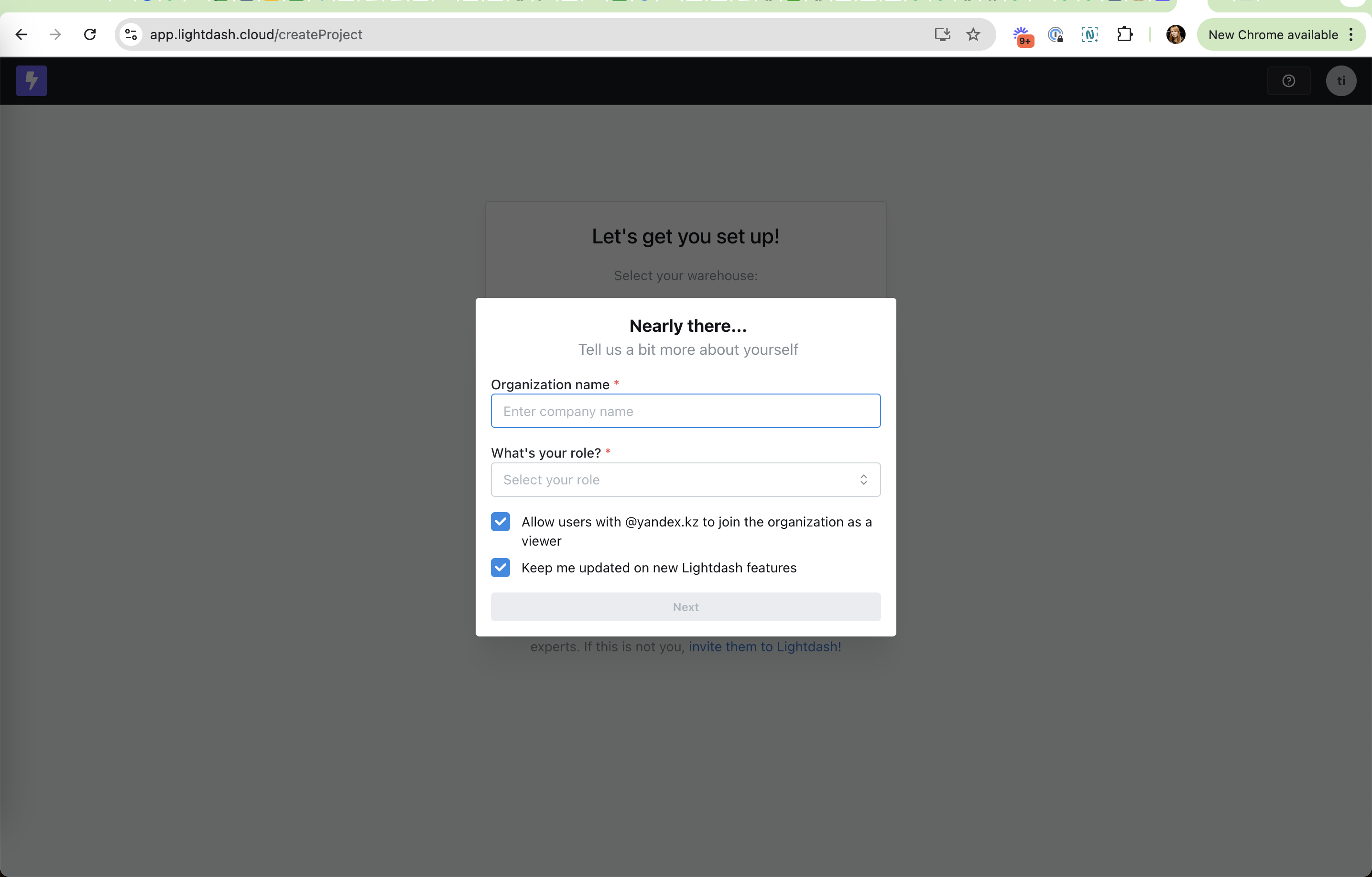
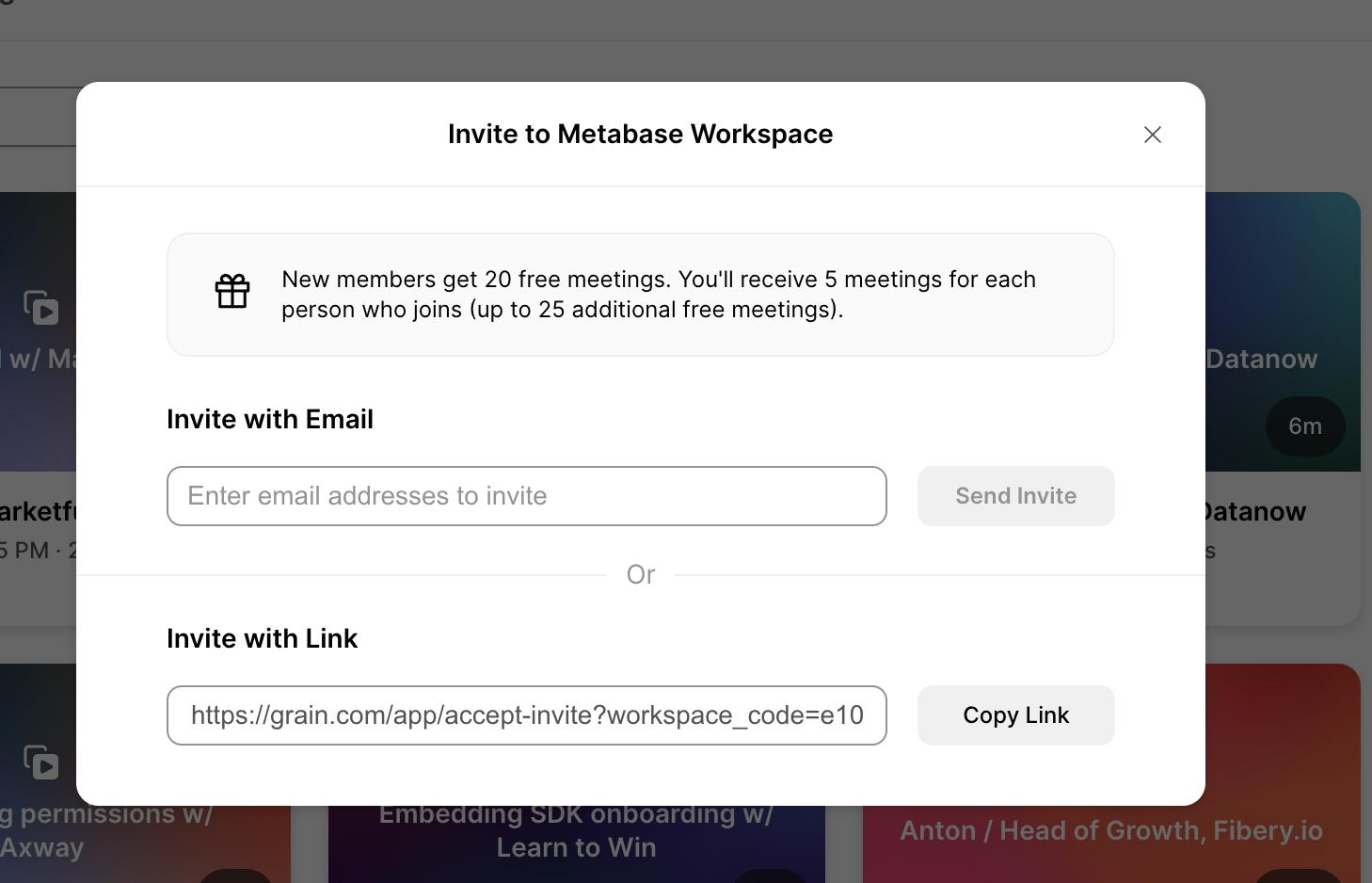
In B2B onboarding, the cheapest network move is finding the user's colleagues: matching on email domain, offering to join an existing workspace, or letting anyone with the company domain sign in. Treating "invite a teammate" as a step toward success, and giving both sides something for a referral, turn single users into teams, which are also more likely to pay.
How to use it
- On signup, check the email domain and offer to join an existing workspace before creating a new one.
- Make sharing a natural output: every template, report or result gets its own link that works for non-users.
- If you reward referrals, give both the inviter and the invitee something concrete and say exactly what.
Watch out
- Forcing invites before the user has seen value, or uploading contacts without clear consent, feels spammy.
- Auto-join defaults that expose a workspace to everyone on a domain without the admin realizing it.